Beyond CRM Backups: Architecting a True Single Source of Truth with Automation for Business Resilience
For high-growth B2B companies generating $5M+ ARR, the fear isn’t just data loss; it’s the operational paralysis that comes from disparate information. Many businesses believe they’re securing their future by merely backing up their CRM data. While essential, a basic backup strategy often misses the larger, more critical challenge: establishing a Single Source of Truth (SSOT). Without an SSOT, your data remains fragmented, leading to inefficiencies, errors, and significant roadblocks to scalability. At 4Spot Consulting, we see this problem firsthand, and we know that true resilience comes from proactive architecture, not just reactive recovery.
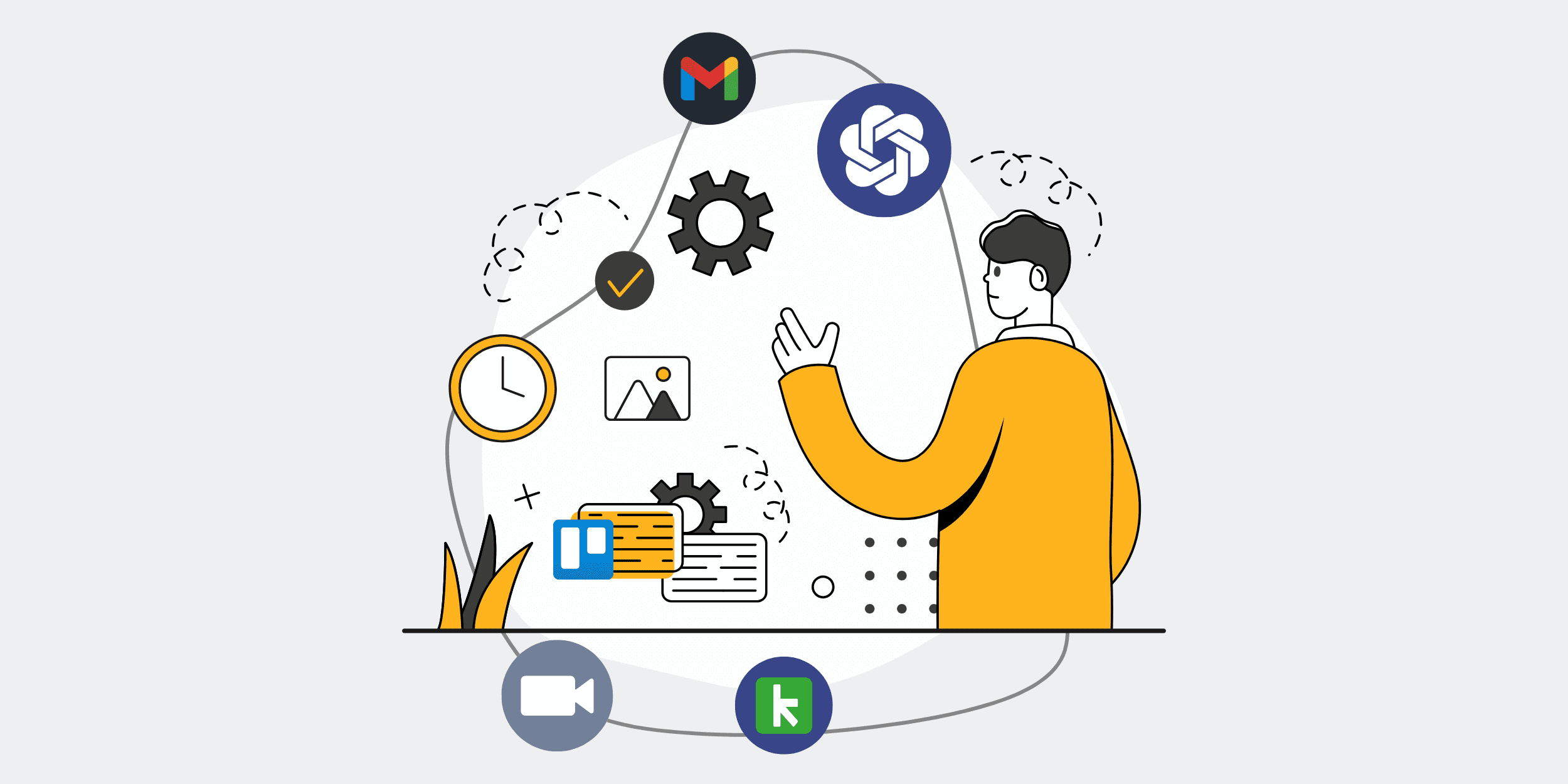
Imagine your customer relationship management (CRM) system, like Keap or HighLevel, as the heart of your client interactions. It holds invaluable data – sales pipelines, communication histories, contact details, and much more. But what about the information residing in your marketing automation platform, your accounting software, your project management tools, or even your HR systems? Each of these critical functions often operates in its own silo, creating islands of data. When these islands don’t communicate effectively, your ability to make informed decisions, deliver consistent customer experiences, and scale operations is severely hampered.
The Hidden Costs of Disconnected Data
The absence of an SSOT isn’t just an inconvenience; it’s a tangible drag on your bottom line. We frequently encounter scenarios where sales teams are working with outdated contact information, marketing campaigns target the wrong segments due to incomplete customer profiles, and support teams struggle to resolve issues because they lack a full view of client interactions. This fragmentation leads to:
- **Wasted Time:** Employees spend countless hours manually reconciling data, searching for information across multiple systems, or re-entering details that already exist elsewhere. This is low-value work for high-value employees.
- **Increased Errors:** Manual data transfer is a breeding ground for human error, leading to incorrect invoices, missed follow-ups, and compromised data integrity.
- **Poor Customer Experience:** Inconsistent data results in inconsistent service. Customers expect a seamless experience, but disconnected systems often mean they have to repeat information or deal with staff who lack context.
- **Stifled Growth:** Scalability becomes a nightmare when every new client or project adds exponential complexity to data management. Automation is key to unlocking growth without proportional increases in headcount and operational overhead.
This problem isn’t new, but the solutions are evolving rapidly with the advent of advanced automation and AI.
From Backup to Blueprint: Building Your Single Source of Truth
Our approach at 4Spot Consulting moves beyond simple data recovery. We help businesses architect an SSOT using powerful integration tools like Make.com, transforming fragmented data into a unified, actionable asset. This isn’t about merging everything into one giant system; it’s about creating intelligent bridges that allow disparate systems to share and synchronize information automatically, establishing a primary, authoritative source for each data type.
Consider the journey of a new lead. In a typical fragmented environment, a lead might enter through a marketing platform, then be manually transferred to the CRM, then copied to an accounting system once they become a client, and finally entered into a project management tool. Each step is an opportunity for error and delay. With an SSOT powered by automation, that lead’s information flows seamlessly and automatically across all relevant systems, updating in real-time. The CRM becomes the authoritative source for contact details, the marketing platform for engagement history, and the accounting system for financial records – but they all ‘talk’ to each other, ensuring consistency.
Our OpsMesh framework, combined with an OpsMap™ diagnostic, allows us to strategically audit your current data flows, identify key inefficiencies, and blueprint an automated SSOT solution tailored to your specific needs. We uncover where your data silos exist and design intelligent workflows to break them down, ensuring that every department operates from the same, accurate information. This strategic-first approach means we plan before we build, guaranteeing solutions that deliver measurable ROI.
AI and Automation: The Future of Data Integrity
The integration of AI further refines the SSOT concept. AI can be used for data cleansing, identifying duplicates, enriching existing records, and even predicting potential data discrepancies before they cause problems. For instance, AI can analyze incoming customer queries and automatically route them to the correct department with all relevant customer data pre-populated, dramatically reducing response times and improving resolution rates. This is not about ‘tech for tech’s sake’; it’s about applying intelligent solutions to achieve tangible business outcomes – saving you 25% of your day, reducing human error, and increasing scalability.
We’ve seen firsthand how an HR tech client saved over 150 hours per month by automating their resume intake and parsing process using Make.com and AI enrichment, then syncing to Keap CRM. This created an SSOT for applicant data, eliminating manual work and ensuring recruiters always had access to the most current, accurate candidate profiles. This isn’t theoretical; this is real-world impact that translates directly to profitability and efficiency.
For businesses seeking true operational resilience, moving beyond basic backups to implement a comprehensive Single Source of Truth strategy is non-negotiable. It’s an investment that pays dividends in reduced operational costs, enhanced decision-making, and a foundation for sustainable, high-growth expansion. Don’t let disconnected data hold your business back. Ready to uncover automation opportunities that could save you 25% of your day? Book your OpsMap™ call today.
If you would like to read more, we recommend this article: The Operational Efficiency Crisis: How Automation Saves Your Business