Post: The Predictive Edge: Driving Business Agility with AI in Operations
Enhancing Business Agility with Predictive AI in Operations
In today’s fast-evolving business landscape, simply reacting to events is no longer a sustainable strategy. The ability to anticipate, adapt, and proactively shape outcomes is what truly separates market leaders from those struggling to keep pace. This is where predictive Artificial Intelligence (AI) emerges not just as a technological advancement, but as a critical operational imperative for any organization aiming for sustained growth and efficiency.
Moving Beyond Reactive Measures: The Predictive Edge
For decades, businesses have relied on historical data to inform future decisions. While valuable, this approach inherently limits an organization to a reactive stance, always a step behind the curve. Predictive AI, however, transforms this paradigm. It leverages sophisticated algorithms, machine learning models, and vast datasets to identify patterns, forecast future trends, and predict potential outcomes with remarkable accuracy. Imagine knowing with high certainty what your inventory needs will be next quarter, which operational bottlenecks are likely to arise, or even which employees might be at risk of burnout before it impacts productivity. This isn’t science fiction; it’s the current reality for businesses embracing predictive capabilities.
At 4Spot Consulting, we observe that many high-growth B2B companies, despite their ambition, remain entangled in manual processes and reactive problem-solving. They’re spending valuable high-skill employee time on low-value tasks like sifting through data to identify issues that could have been prevented. Predictive AI offers a strategic escape from this cycle, providing the foresight necessary to optimize resource allocation, mitigate risks, and seize opportunities ahead of the competition. It’s about making smarter, data-driven decisions that impact the bottom line and free up your teams to innovate, not just react.
How Predictive AI Transforms Core Business Functions
Optimizing Operational Efficiency and Resource Management
One of the most immediate impacts of predictive AI is in operational efficiency. By analyzing past performance metrics, market dynamics, and external factors, AI can forecast demand fluctuations, equipment maintenance needs, and supply chain disruptions. This allows businesses to optimize inventory levels, schedule preventative maintenance, and reallocate resources proactively, significantly reducing waste and downtime. For instance, in manufacturing, predictive AI can anticipate machinery failures, allowing for repairs before costly breakdowns occur. In service industries, it can forecast staffing needs, ensuring optimal customer service levels without overstaffing.
Driving Proactive HR and Workforce Planning
In the realm of HR and recruiting, predictive AI is a game-changer. Beyond merely tracking employee data, AI can predict attrition risks, identify skill gaps, and even forecast future hiring needs based on business growth projections. This empowers HR leaders to implement targeted retention strategies, develop training programs to upskill their workforce, and build talent pipelines well in advance. Instead of scrambling to fill critical roles, organizations can strategically nurture talent, leading to a more stable, engaged, and productive workforce. This proactive approach significantly reduces the high costs associated with turnover and urgent recruitment.
Enhancing Customer Experience and Personalization
Predictive AI also plays a pivotal role in elevating the customer experience. By analyzing customer behavior, preferences, and purchase history, AI can predict future needs and offer personalized recommendations or services. This not only increases customer satisfaction and loyalty but also drives upselling and cross-selling opportunities. Imagine a CRM system that not only stores customer data but actively predicts which clients are most likely to churn or which new product they would be most interested in, allowing your sales team to engage at precisely the right moment with the most relevant offer.
Implementing Predictive AI: A Strategic Approach with 4Spot Consulting
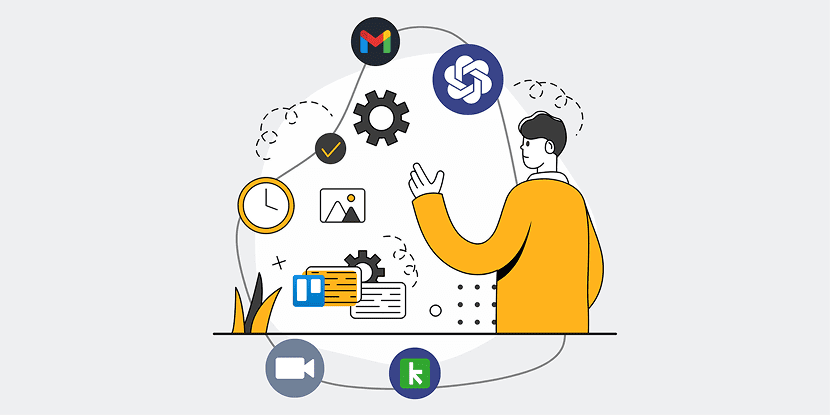
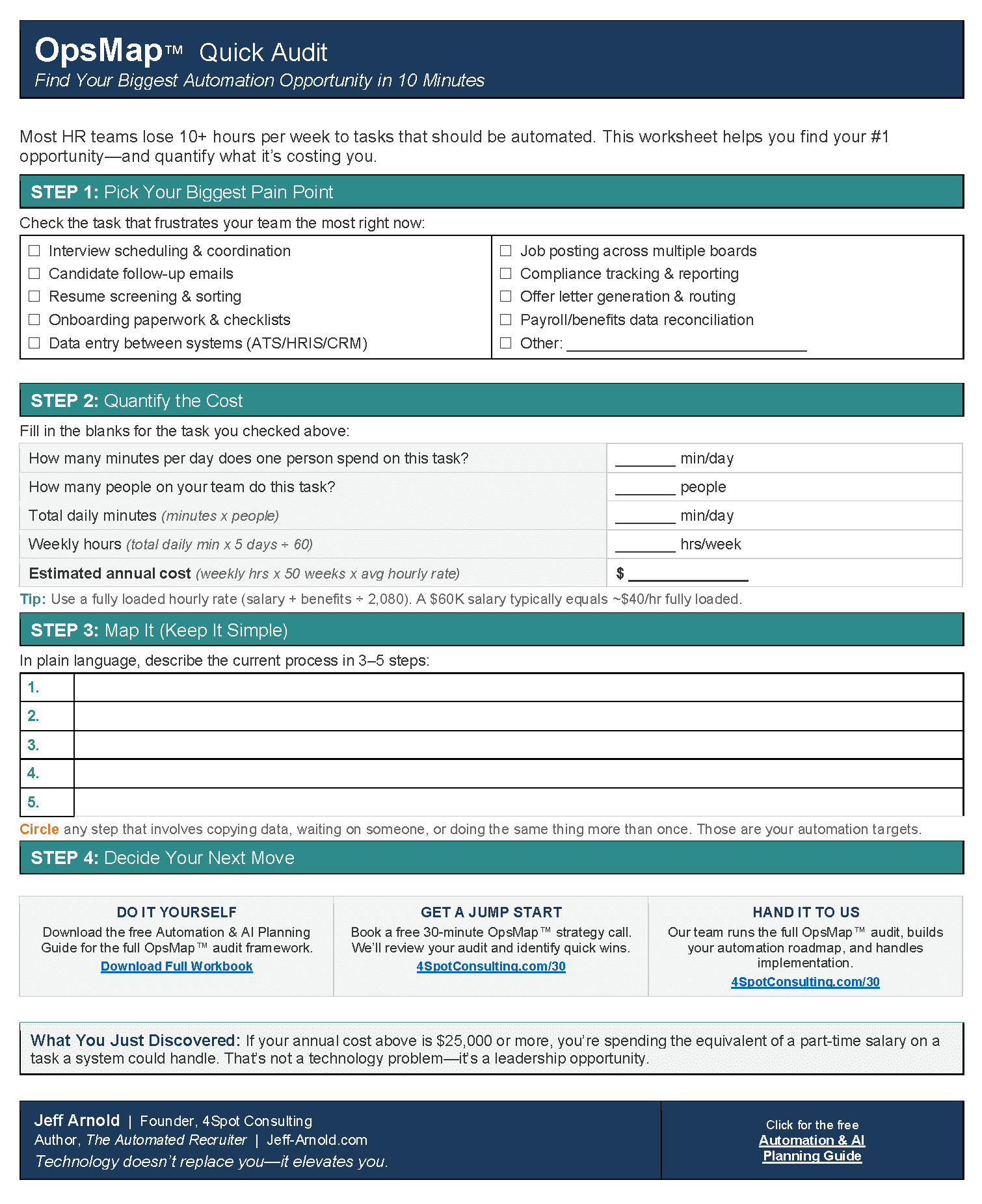
Implementing predictive AI isn’t about simply adopting new software; it requires a strategic framework that aligns technology with overarching business goals. Our OpsMesh framework at 4Spot Consulting is designed precisely for this purpose. We don’t just build solutions; we first conduct a thorough OpsMap™ diagnostic to uncover your unique inefficiencies and identify the most impactful opportunities for AI and automation. This strategic audit ensures that predictive AI initiatives are tied directly to ROI and tangible business outcomes, not just ‘tech for tech’s sake.’
Our experience shows that by integrating predictive AI with robust automation tools like Make.com, businesses can achieve remarkable results. For instance, we’ve helped clients automate resume intake and parsing using AI enrichment, syncing crucial data directly into their CRM systems, saving hundreds of hours and allowing recruiters to focus on high-value candidate engagement. This integrated approach, moving from foresight to automated action, is where true agility is born.
The journey to enhanced business agility through predictive AI begins with understanding your current operational state and mapping out a clear path forward. It’s about empowering your business with the foresight to make informed decisions and the automation to execute on those insights seamlessly. Predictive AI isn’t just about foreseeing the future; it’s about actively shaping it to your advantage.
If you would like to read more, we recommend this article: The Blueprint for AI-Driven Business Transformation
RELATED POST