7 Practical AI Applications Revolutionizing HR and Recruitment
In today’s hyper-competitive talent landscape, HR and recruiting professionals are constantly battling rising costs, overwhelming administrative burdens, and the relentless pressure to find and retain top talent. The sheer volume of applications, the intricacies of compliance, and the demand for personalized employee experiences can make even the most seasoned HR leader feel like they’re perpetually playing catch-up. This isn’t just about managing people; it’s about managing an enormous amount of data and complex processes that, frankly, human beings aren’t always best equipped to handle efficiently. The traditional methods simply aren’t scaling with the pace of business, leading to bottlenecks, human error, and missed opportunities to engage with the best candidates.
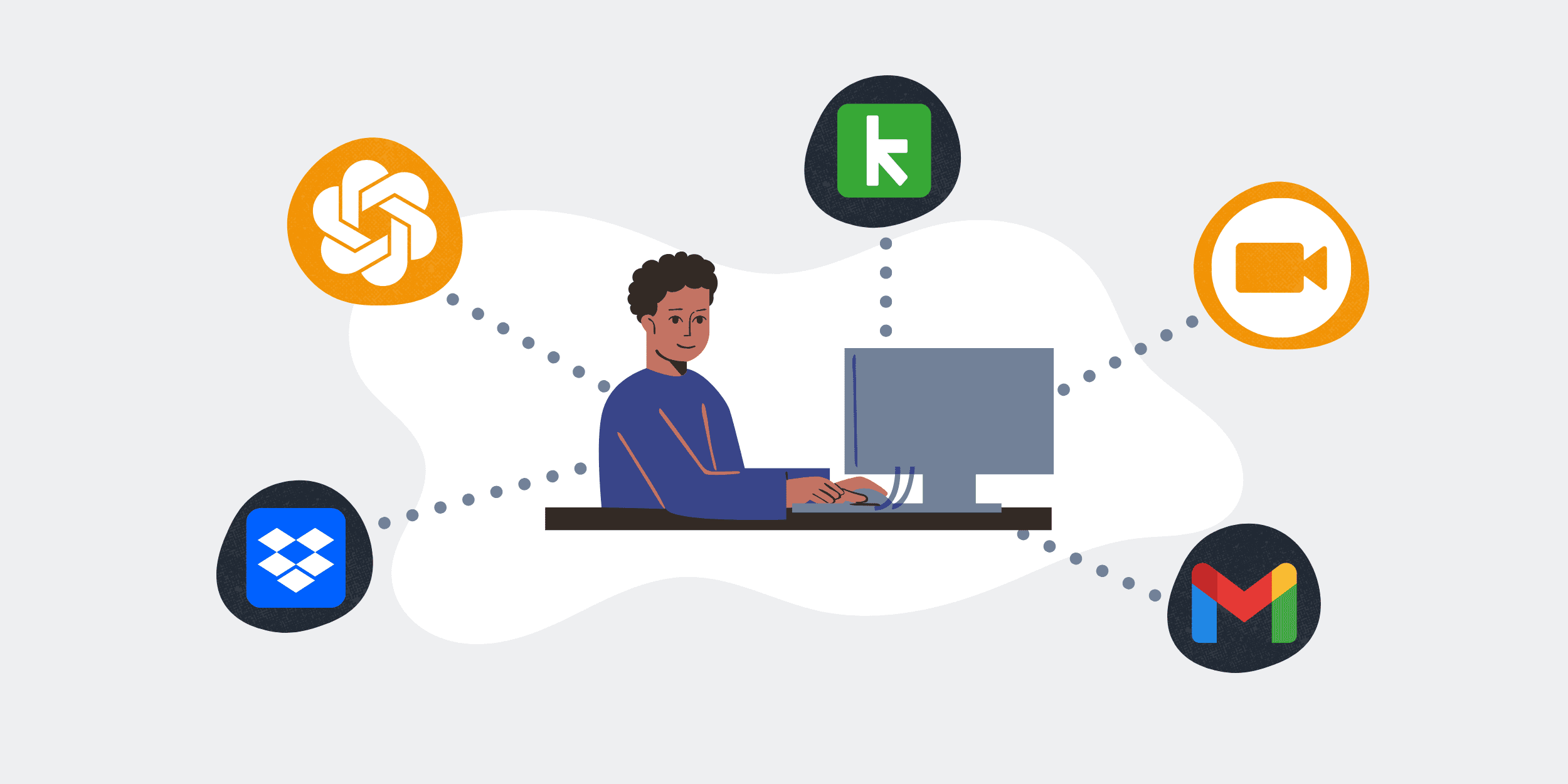
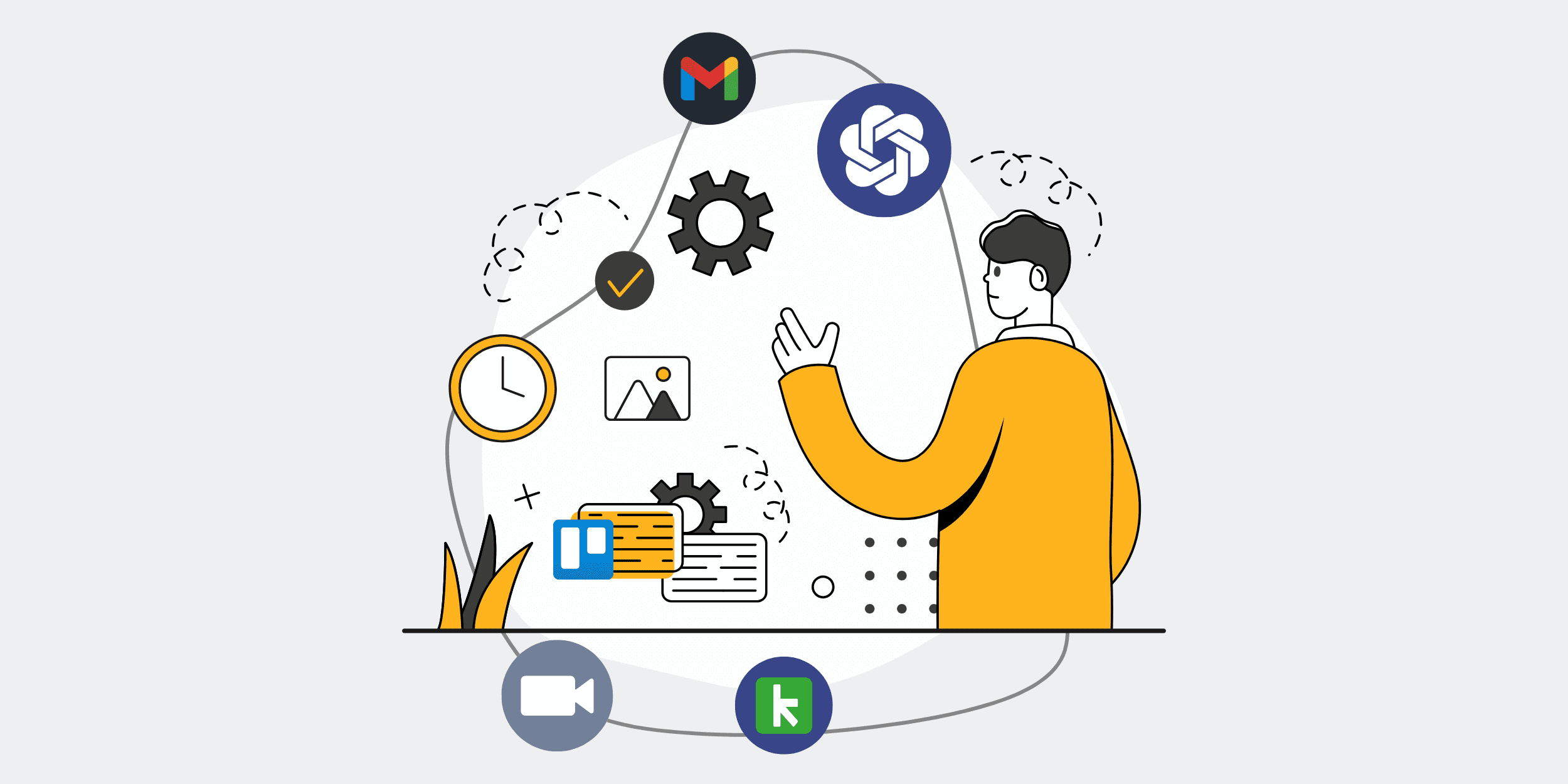
Enter Artificial Intelligence (AI) – not as a futuristic concept, but as a present-day operational imperative. At 4Spot Consulting, we’ve seen firsthand how the strategic implementation of AI tools can transform HR and recruitment from cost centers into engines of growth and efficiency. This isn’t about replacing the human element; it’s about augmenting human capability, freeing up valuable time for strategic thinking, empathy, and high-touch interactions that truly matter. For high-growth B2B companies looking to eliminate human error, reduce operational costs, and increase scalability, embracing AI is no longer optional. It’s the competitive edge. Let’s explore 7 practical AI applications that are revolutionizing HR and recruitment right now.
1. AI-Powered Resume Screening and Candidate Matching
The days of manually sifting through hundreds, if not thousands, of resumes for a single job opening are rapidly becoming obsolete. AI-powered resume screening tools can parse resumes with incredible speed and accuracy, identifying relevant keywords, skills, and experience that align with job descriptions. This technology goes beyond simple keyword matching; it can understand context, identify transferable skills, and even flag potential biases in language that might lead to an unfair candidate assessment. For instance, our work with clients often involves integrating AI parsing tools through platforms like Make.com, which can automatically extract critical data from incoming resumes and feed it directly into a CRM like Keap. This not only dramatically reduces the time spent on initial screening but also ensures that no qualified candidate is overlooked due to human fatigue or oversight. The benefit is clear: recruiters can focus their energy on interviewing and engaging with a pre-qualified pool of candidates, rather than spending countless hours on administrative data entry and review. This strategic application of AI significantly shortens time-to-hire and improves the quality of candidates making it through the first funnel stages, directly impacting your bottom line by securing talent faster.
2. Automated Candidate Communication and Chatbots
Maintaining consistent and timely communication with candidates throughout the recruitment process is paramount for a positive candidate experience, yet it’s often a major bottleneck. AI-driven chatbots and virtual assistants are revolutionizing this by handling routine queries, providing instant feedback, and even scheduling interviews. Imagine a scenario where a candidate applies for a role and immediately receives an automated, personalized response answering common FAQs about the company culture, benefits, or the next steps in the hiring process. These bots, often powered by sophisticated natural language processing (NLP), can guide candidates through initial pre-screening questions, collect necessary information, and even initiate personality assessments. We’ve leveraged tools like Bland AI to create AI voice agents that can conduct initial phone screens, gather critical information, and qualify leads, all while sounding remarkably human. This frees up recruiters from repetitive administrative tasks, allowing them to focus on building relationships with top talent. The consistent, always-on nature of AI communication tools ensures that candidates never feel left in the dark, significantly improving satisfaction and reducing candidate drop-off rates, ultimately enhancing your employer brand and streamlining the recruitment journey.
3. Predictive Analytics for Workforce Planning and Attrition
One of the most strategic applications of AI in HR is its ability to forecast future trends and mitigate risks. Predictive analytics leverages vast amounts of historical data—including employee performance, tenure, compensation, engagement metrics, and even external market factors—to anticipate workforce needs and identify potential attrition risks. AI models can analyze patterns that are invisible to the human eye, predicting which employees might be at risk of leaving, which roles will be critical to fill in the coming quarters, and what skills gaps might emerge. This allows HR leaders to move from a reactive hiring model to a proactive talent strategy. For example, by identifying potential flight risks early, companies can implement targeted retention strategies, such as personalized development plans or mentorship programs, before a valued employee decides to seek opportunities elsewhere. Furthermore, AI can help optimize staffing levels for upcoming projects or growth initiatives, ensuring that you have the right talent in the right place at the right time. This proactive approach saves significant costs associated with high turnover and hurried recruitment, directly contributing to long-term organizational stability and growth.
4. Personalized Learning and Development Paths
Employee growth and development are critical for retention and performance, but generic training programs often fall short. AI offers a powerful solution by enabling hyper-personalized learning and development (L&D) paths tailored to individual employee needs, career aspirations, and current skill gaps. AI platforms can assess an employee’s existing skills through performance data, project work, and self-assessments, then recommend specific courses, modules, or mentors from a vast library of resources. This personalization ensures that employees are engaging with content that is most relevant and impactful to their professional journey, leading to higher engagement and more effective skill acquisition. For instance, an AI might identify that a sales team member needs to improve their negotiation skills based on recent call analyses, and then recommend a specific micro-learning module or role-playing exercise. Beyond individual employees, AI can also help HR identify broader skill gaps within departments or the entire organization, informing strategic L&D investments. By making learning relevant and accessible, companies can significantly boost employee satisfaction, reduce turnover, and cultivate a more skilled and adaptable workforce capable of meeting future business challenges head-on.
5. Enhanced Employee Onboarding and Offboarding
The onboarding experience sets the tone for an employee’s journey with your company, while offboarding impacts your employer brand and ensures legal compliance. Both processes are often bogged down by manual paperwork, inconsistent communication, and disjointed workflows. AI and automation, central to 4Spot Consulting’s OpsMesh framework, can dramatically streamline these critical phases. For onboarding, AI can personalize welcome messages, automate document delivery and signing (e.g., via PandaDoc), assign initial training modules, and even set up IT access, all without human intervention. This ensures a consistent, compliant, and positive experience from day one, reducing the administrative burden on HR staff and hiring managers. Similarly, for offboarding, AI can trigger automated tasks such as revoking system access, initiating exit surveys, processing final paychecks, and ensuring the return of company assets, minimizing risks and ensuring a smooth transition. By eliminating human error and speeding up these processes, companies can save countless hours, reduce compliance risks, and ensure that both incoming and departing employees have a professional and efficient experience. This focus on operational excellence through automation reinforces a positive company image and ensures critical tasks are never missed.
6. AI-Driven Interview Transcription and Analysis
Interviews are a cornerstone of the hiring process, but relying solely on human memory and handwritten notes can lead to inconsistencies, biases, and overlooked details. AI-driven tools can revolutionize this by providing real-time transcription and analysis of interviews. Imagine an AI assistant that transcribes every word spoken during a virtual interview, allowing hiring managers to focus entirely on the conversation rather than taking frantic notes. Beyond transcription, these tools can analyze sentiment, identify key themes, flag specific keywords (or their absence), and even evaluate candidates’ communication patterns. This provides a more objective and comprehensive record of each interview, which is invaluable for comparison, feedback, and compliance. It helps to standardize the interview process, reducing unconscious biases by highlighting consistent traits or concerns across candidates. Furthermore, the data collected can be used to refine interview questions, identify effective hiring managers, and improve the overall efficacy of your interview strategy. This level of insight ensures that hiring decisions are based on data-driven evidence rather than subjective impressions, leading to better hiring outcomes and a more diverse workforce.
7. Automated HR Data Management and Reporting
The modern HR department generates and relies on an enormous amount of data—from payroll and benefits to performance reviews and engagement surveys. Consolidating this data, ensuring its accuracy, and generating meaningful reports manually is a monumental and error-prone task. AI and advanced automation solutions are transforming HR data management into a seamless, “single source of truth” operation. AI can automatically extract, clean, and categorize data from disparate systems (e.g., HRIS, ATS, payroll platforms, CRM) and present it in unified, real-time dashboards. This eliminates hours of manual data entry and reconciliation, drastically reducing human error and ensuring that HR leaders always have access to accurate, up-to-date information. Imagine being able to generate a comprehensive report on employee turnover by department, average time-to-hire by role, or the cost of recruitment campaigns with a few clicks, rather than days of spreadsheet manipulation. This not only frees up HR professionals for more strategic work but also empowers leadership with actionable insights for better decision-making, from optimizing budgets to refining talent strategies. Our OpsBuild services specialize in creating these integrated systems, ensuring your HR data is always working for you, not against you.
The integration of AI into HR and recruitment is not a distant future; it’s a strategic imperative that’s already reshaping how businesses attract, hire, and retain talent. For HR leaders and executives, embracing these practical AI applications means moving beyond operational firefighting to truly strategic workforce planning. It’s about leveraging technology to eliminate human error, drastically reduce operational costs, and build a scalable, resilient organization. The goal is clear: to free up your high-value employees from low-value, repetitive tasks, allowing them to focus on what humans do best—innovation, connection, and strategic problem-solving. At 4Spot Consulting, our OpsMap™ strategic audit is designed to identify these exact opportunities within your organization, mapping out a clear path to automation and AI integration that delivers tangible ROI.
If you would like to read more, we recommend this article: Mastering HR Automation: Your Blueprint for Efficiency and Growth