Beyond the Inbox: Strategic Email Automation for B2B Operational Excellence
For many B2B organizations, the email inbox isn’t just a communication channel; it’s a labyrinth of mission-critical information, sales leads, support tickets, and internal discussions. While essential, the sheer volume of incoming and outgoing correspondence can quickly transform it into an operational bottleneck, consuming valuable employee time and diverting focus from strategic initiatives. Leaders often observe their high-value talent spending hours daily sifting, sorting, and responding to emails that, while important, are often repetitive or follow predictable patterns. This isn’t just an inconvenience; it’s a drain on productivity, a risk to data integrity, and a silent inhibitor of scalable growth. The challenge isn’t eliminating email; it’s transforming it from a time sink into a streamlined, automated asset.
The Hidden Costs of Manual Email Management
The perceived “free” nature of email often masks its significant operational costs. Every minute spent manually triaging an inbox, forwarding a support request, or extracting data for a CRM update is a minute not spent on revenue-generating activities or strategic planning. For B2B companies with complex sales cycles, intricate client relationships, or high-volume recruiting efforts, this inefficiency compounds rapidly.
Missed Opportunities and Slowed Decision-Making
When critical information is buried in an inbox, response times extend, and opportunities can be missed. A sales inquiry might sit unread, a vital client update could be overlooked, or an urgent support request might be delayed. This directly impacts customer satisfaction, conversion rates, and the company’s reputation for responsiveness. Furthermore, decision-making often stalls as leaders wait for data or context trapped in a chain of emails, leading to a reactive rather than proactive business stance.
Employee Burnout and Reduced Productivity
The constant bombardment of emails contributes significantly to employee burnout. The mental overhead of managing a perpetually full inbox, coupled with the pressure to respond quickly, can lead to stress, reduced job satisfaction, and a dip in overall productivity. High-value employees, hired for their strategic thinking and problem-solving abilities, find themselves bogged down in administrative tasks that could otherwise be handled with greater efficiency and accuracy by an automated system. This isn’t what they were hired for, and it certainly isn’t where their greatest impact lies.
The 4Spot Consulting Approach: Strategic Email Automation
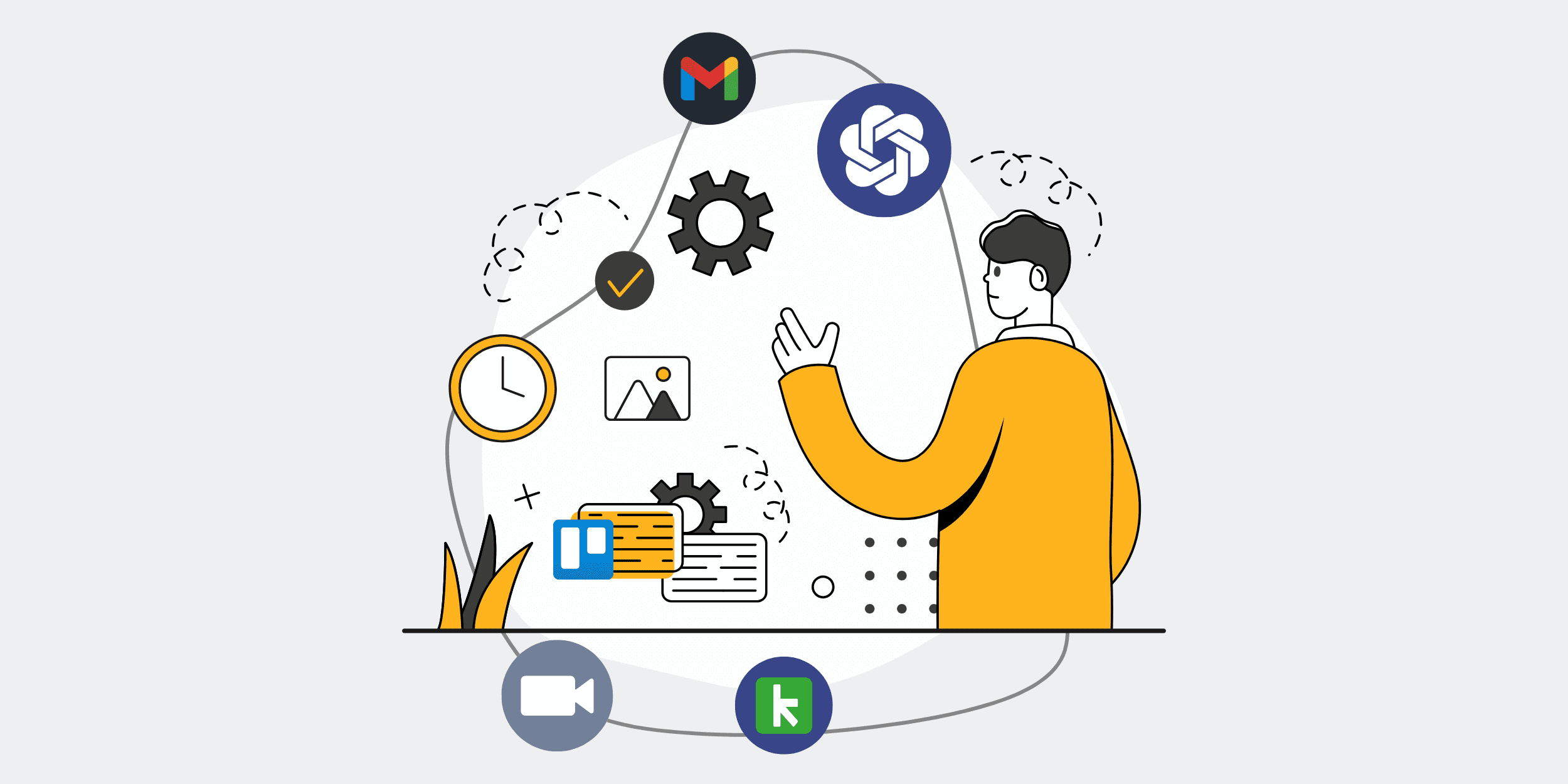
At 4Spot Consulting, we believe that email can and should be a powerful force for efficiency, not an obstacle. Our approach to email automation goes far beyond simple rules or filters. We design and implement intelligent systems that integrate seamlessly with your existing tech stack, leveraging tools like Make.com and cutting-edge AI to process, categorize, and act on emails autonomously. This transforms the inbox from a chaotic holding pen into a dynamic hub that fuels your operations.
Beyond Simple Filters: Integrating AI for Smarter Processing
Traditional email rules are limited. They struggle with nuance, context, and dynamic content. Our solutions incorporate AI to read, understand, and extract key information from emails. Imagine an AI classifying incoming support requests by urgency and topic, extracting sender details and specific issues, and then automatically creating a ticket in your CRM or project management tool, notifying the relevant team member, and even drafting a personalized initial response—all before a human even touches the email. This level of intelligent processing ensures that critical communications are always prioritized, routed correctly, and acted upon promptly.
Our OpsMesh Framework in Action
Email automation isn’t a standalone fix; it’s an integral component of your overall operational ecosystem. Through our proprietary OpsMesh™ framework, we analyze how email flows impact various departments—from sales and marketing to HR and customer service. We then design custom automations that connect your email platforms with your CRM (like Keap or HighLevel), document management systems (like PandaDoc), and communication tools. For instance, when an HR firm receives a resume via email, our system can automatically parse the resume, extract candidate data, create a profile in their applicant tracking system, and send an automated acknowledgment, saving hundreds of hours of manual data entry each month. This strategic, interconnected approach ensures that data flows seamlessly, reducing human error and boosting overall operational resilience.
Real-World Impact: Reclaiming Time and Driving Growth
The tangible benefits of strategic email automation are substantial. Companies we work with consistently report significant time savings, often reclaiming 25% or more of an employee’s day previously lost to manual email management. This reclaimed time allows high-value team members to focus on core competencies, strategic initiatives, and client engagement, directly contributing to revenue growth and competitive advantage. Furthermore, the reduction in human error, faster response times, and improved data integrity translate into higher customer satisfaction and a more professional, scalable operation.
A Proactive Step Towards a More Automated Future
In today’s fast-paced B2B landscape, waiting for problems to surface is a losing strategy. Proactive automation, starting with often-overlooked areas like email management, is key to building a resilient, efficient, and scalable business. It’s about empowering your teams to work smarter, not harder, and positioning your organization for sustainable growth by eliminating the repetitive, low-value work that bogs down even the most talented professionals. Are you ready to transform your inbox from a burden into a powerful engine for efficiency? The time to act is now.
If you would like to read more, we recommend this article: Mastering Operational Efficiency with AI and Automation