The Unseen Cost of Manual Data Entry: Automating CRM and Data Backup for Business Resilience
In the relentless pursuit of growth, businesses often overlook a silent drain on their resources: the manual management of critical data. From customer relationship management (CRM) systems to essential operational databases, the reliance on human hands for data entry, updates, and backups introduces a cascade of inefficiencies, errors, and significant financial risk. This isn’t merely about lost time; it’s about compromised data integrity, stunted scalability, and a fundamental vulnerability that can undermine even the most robust business strategies. High-growth B2B companies, especially those dealing with complex client relationships and sensitive information, simply cannot afford to operate with such an antiquated approach. The true cost of manual data entry extends far beyond salaries – it permeates every aspect of an organization, from client satisfaction and regulatory compliance to operational agility and market responsiveness.
The Hidden Toll of Human Error and Inefficiency
Consider the daily routine in many organizations: an employee copies data from an email into a CRM, then manually updates a spreadsheet, and perhaps later, transfers that same information into a separate reporting tool. Each step is an opportunity for a typo, a missed field, or an outdated entry. These seemingly minor errors compound over time, leading to inconsistent records, unreliable reporting, and ultimately, poor strategic decisions. Beyond the errors, the sheer volume of time dedicated to these repetitive, low-value tasks is staggering. High-value employees, hired for their strategic insight and problem-solving abilities, find themselves bogged down in clerical work, leading to decreased job satisfaction and higher turnover rates. This not only diminishes their potential contribution but also creates bottlenecks, slowing down sales cycles, recruitment processes, and client onboarding. The cumulative effect is a drag on productivity that can quietly erode profit margins and frustrate a workforce capable of much more, diverting critical resources from innovation and growth.
Why CRM and Data Backup are Critical Automation Targets
Your CRM is the heartbeat of your customer interactions, and your data is the lifeblood of your business intelligence. Yet, many companies treat their CRM as a mere glorified Rolodex, and data backup as an afterthought. Manual CRM updates lead to incomplete customer profiles, missed follow-ups, and a fragmented view of the customer journey, making it difficult to deliver personalized experiences. When sales teams lack real-time, accurate information, opportunities are lost, and client relationships suffer, directly impacting revenue. Similarly, manual data backup strategies are notoriously unreliable. They are prone to human oversight, can be incomplete, and often fail to provide the immediate recovery capabilities necessary in the event of a system failure, cyberattack, or accidental deletion. The consequences of data loss—from regulatory fines and legal liabilities to irreversible reputational damage and operational paralysis—are catastrophic. Automating these functions isn’t just about efficiency; it’s about establishing fundamental business resilience and ensuring continuity in an increasingly digital and data-driven landscape.
Building a Single Source of Truth with Strategic Automation
The solution lies in creating an integrated, automated data ecosystem where information flows seamlessly and accurately across all your critical systems. At 4Spot Consulting, we approach this through our OpsMesh™ framework, which ensures that your CRM, operational databases, and other vital platforms communicate intelligently, creating a true single source of truth. We start with an OpsMap™ diagnostic, a strategic audit designed to uncover every inefficiency and identify precisely where manual data entry introduces risk and wastes resources. This isn’t about haphazardly connecting tools; it’s about designing a coherent strategy that guarantees data integrity from its point of origin to its secure storage, ensuring every piece of information is trustworthy and accessible.
How 4Spot Consulting Transforms Your Data Management
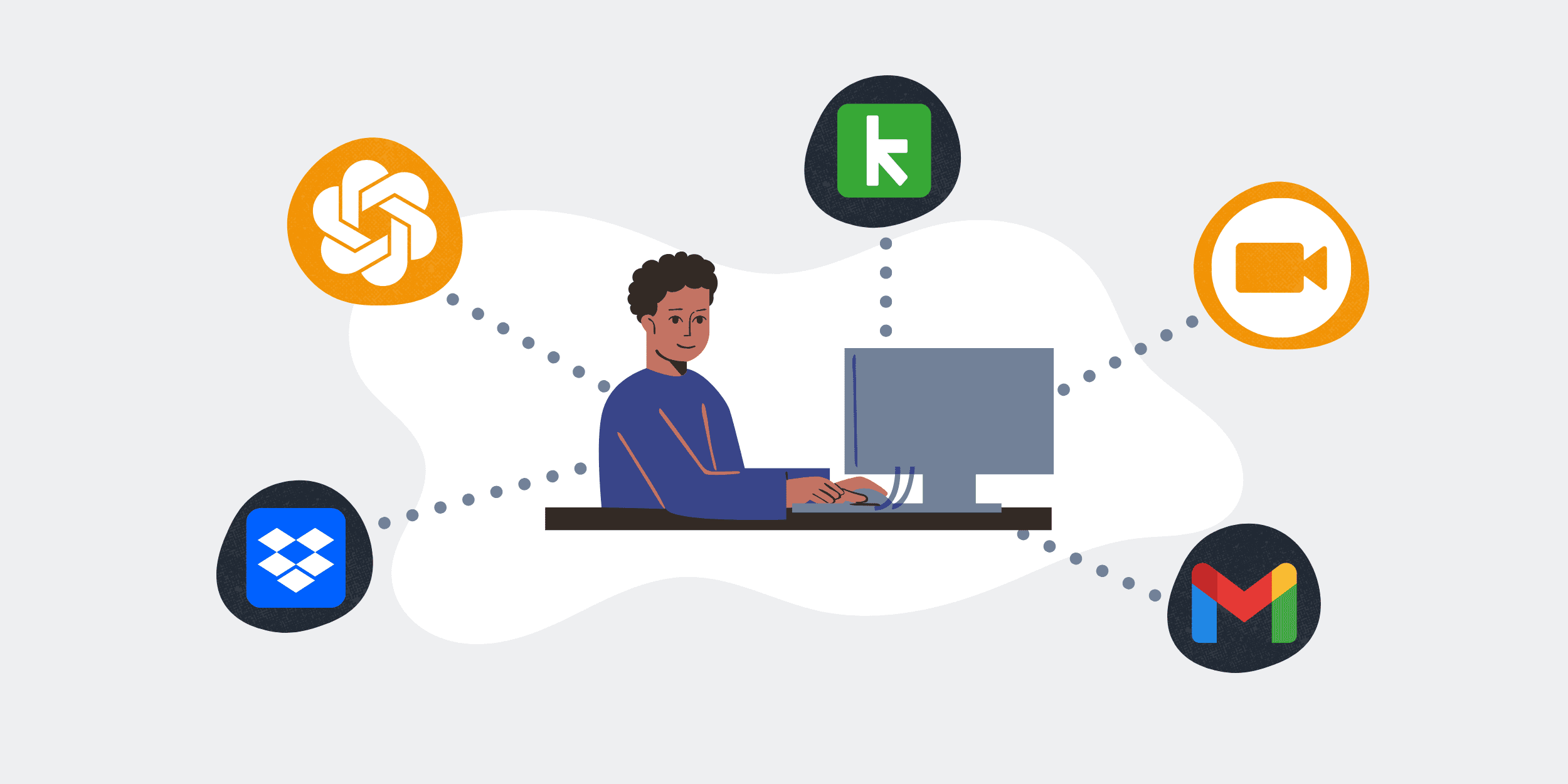
Our OpsBuild™ phase takes the insights from the OpsMap™ and translates them into actionable automation solutions tailored to your unique business needs. For CRM and data backup, this often involves leveraging powerful integration platforms like Make.com to orchestrate complex workflows. Imagine a new lead entering your system from a web form, automatically populating your Keap or HighLevel CRM, triggering personalized follow-up sequences, and simultaneously backing up crucial client data to an offsite secure location—all without a single manual touch. This not only eliminates human error but frees your team to focus on relationship-building, strategic initiatives, and closing deals. We also implement robust, automated backup solutions that operate consistently in the background, providing peace of mind and ensuring that your critical information is always recoverable, compliant, and accessible when you need it most. Our focus is on making your data work for you, not against you, optimizing every touchpoint and transaction.
The Tangible Benefits: Scalability, Accuracy, and Peace of Mind
The impact of automating CRM and data backup is profound and measurable. Businesses experience dramatic improvements in operational efficiency, often saving 25% or more of their day that was previously dedicated to manual tasks, redirecting valuable human capital to strategic growth areas. Data accuracy skyrockets, leading to more reliable analytics, precise forecasting, and better-informed business decisions. This enhanced accuracy directly translates into improved customer satisfaction, as clients receive consistent communication and their needs are understood based on a comprehensive, up-to-date record, fostering loyalty and repeat business. Furthermore, the robust, automated backup systems we implement provide an unparalleled level of business resilience. Should disaster strike, your essential data is safe, and recovery is swift, minimizing downtime, protecting your reputation, and avoiding significant financial penalties. This foundational stability allows your high-growth B2B company to scale confidently, knowing that its data infrastructure is robust, reliable, and future-proof. We’ve seen clients go from drowning in manual work and fragmented data to having a system that just works, enabling them to focus on what they do best: driving their business forward and innovating for tomorrow.
If you would like to read more, we recommend this article: The Future of Business: Integrating AI and Automation for Unprecedented Efficiency