The Silent Efficiency Killer: Unmasking and Automating Shadow IT in Business Operations
Every business leader understands the critical need for efficiency and robust systems. Yet, beneath the veneer of official software and processes, a hidden threat often lurks: Shadow IT. This isn’t a malicious attack, but rather a silent, insidious force that erodes productivity, creates data silos, and introduces unforeseen risks. It’s born from good intentions – an employee finding a quicker way to get a job done, circumventing official channels – but its collective impact can significantly impede a company’s ability to scale and innovate. At 4Spot Consulting, we’ve seen firsthand how unmanaged Shadow IT can secretly drain resources, costing businesses far more than just time.
What Exactly is Shadow IT, and Why Does it Matter?
Shadow IT refers to hardware, software, or services used within an organization without explicit IT approval or knowledge. Think of it: an employee using a personal cloud storage solution for shared documents, a departmental team relying on a free project management app, or a sales rep maintaining customer data in a personal spreadsheet instead of the CRM. These tools, while often effective for individual tasks, bypass critical organizational oversight concerning security, compliance, data integration, and cost management.
The immediate impact is fragmentation. Data becomes scattered across disparate systems, leading to a “single source of truth” becoming a distant dream. When data isn’t centralized or properly integrated, reporting becomes a nightmare, strategic decisions are based on incomplete information, and collaboration suffers. Furthermore, these unsanctioned tools rarely meet corporate security standards, exposing sensitive company and client data to vulnerabilities. A free file-sharing service might seem harmless, but if it lacks enterprise-grade encryption or access controls, it’s a gaping hole in your security perimeter.
The Operational Bottleneck: How Shadow IT Hinders Growth
For high-growth B2B companies, particularly those with over $5M ARR, scalability is paramount. Shadow IT directly contradicts this goal. When critical operational processes depend on ad-hoc solutions, they become fragile and non-replicable. Onboarding new team members becomes a lesson in navigating a labyrinth of unofficial tools. Audits become complex exercises in data reconciliation rather than straightforward validations.
Consider the example of HR and recruiting. If recruiters are using personal spreadsheets to track candidates, or unapproved communication apps for interviews, the entire candidate journey becomes opaque. This not only introduces compliance risks (GDPR, CCPA, etc.) but also creates massive inefficiencies. Imagine trying to integrate this data into your Keap or HighLevel CRM, or using it for AI-powered analytics – it’s simply impossible without significant, manual intervention. This is precisely the kind of low-value work that high-value employees are forced into, stealing 25% of their day and diverting their strategic focus.
From Hidden Problem to Strategic Advantage: Our Approach to Unmasking and Automating
Identifying and addressing Shadow IT isn’t about punishment; it’s about empowerment. It’s about channeling the innate desire of employees to be efficient into approved, secure, and integrated solutions. At 4Spot Consulting, our OpsMap™ diagnostic is specifically designed to uncover these hidden inefficiencies, including the prevalence of Shadow IT. We conduct a strategic audit to map out current workflows, identify where critical data resides, and pinpoint the “unofficial” tools that have become ingrained in daily operations.
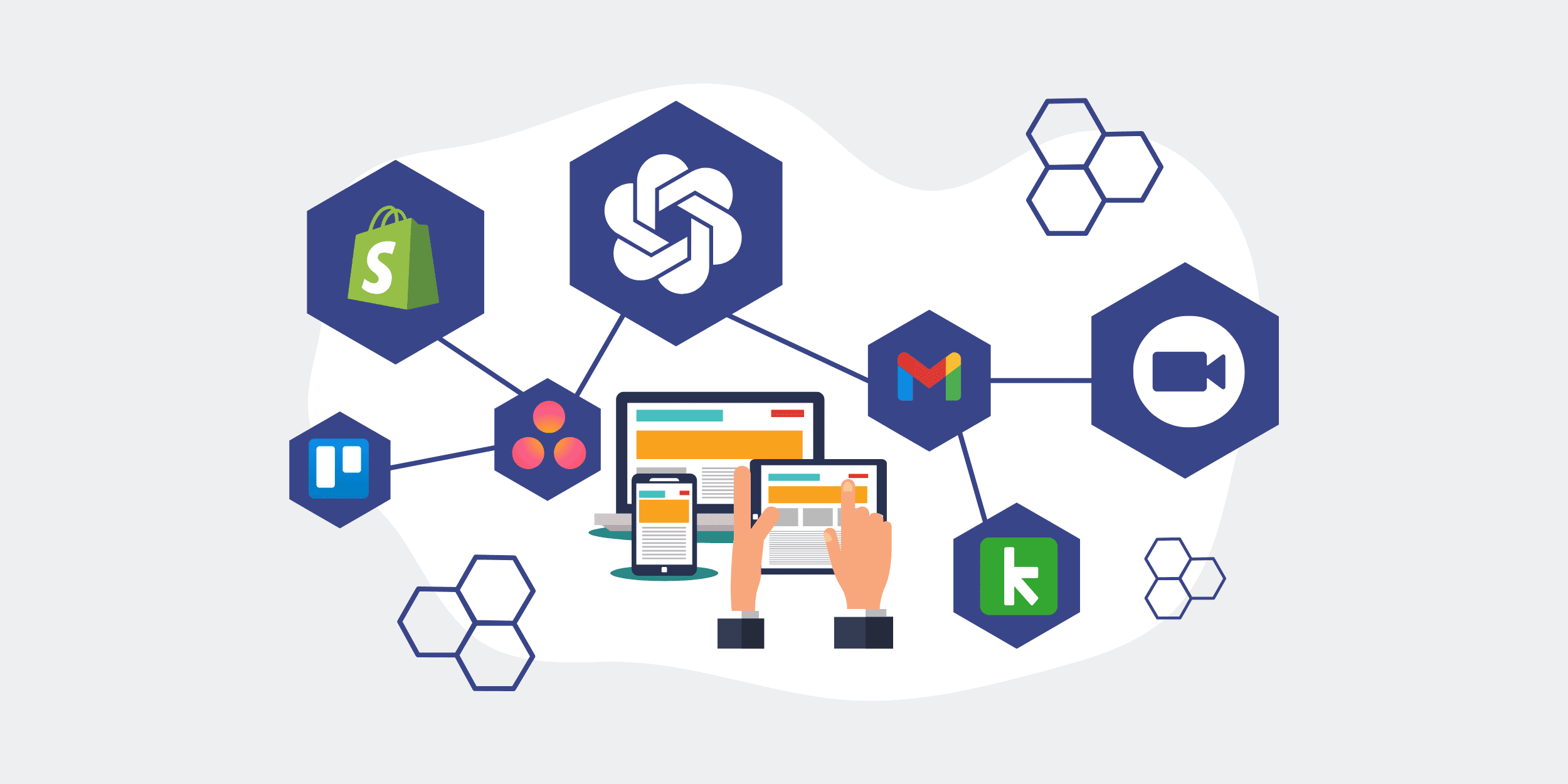
Once identified, the solution isn’t to simply ban these tools, but to integrate their functionality (or superior alternatives) into a cohesive, automated ecosystem. This is where our OpsBuild™ framework comes into play. Leveraging powerful low-code platforms like Make.com, we build robust automations that connect dozens of SaaS systems. This means taking the data trapped in those personal spreadsheets or free apps and seamlessly flowing it into your CRM, project management software, or data backup systems.
For instance, we can automate resume intake and parsing (as we did for an HR tech client, saving 150+ hours monthly), ensuring all candidate data goes directly into Keap and is accessible company-wide. Or, we can create secure, automated document workflows via PandaDoc that eliminate the need for employees to use external file-sharing services. The goal is to create a “Single Source of Truth” where all critical information resides, is secure, and is readily available for analysis and action.
Reclaiming Time and Securing Your Future
Eliminating Shadow IT isn’t just about compliance; it’s about unleashing potential. When your operations are streamlined and automated, your high-value employees are freed from manual data entry and reconciliation. They can focus on strategic initiatives that drive revenue growth, rather than wrestling with fragmented systems. This reduces human error, slashes operational costs, and significantly increases your organization’s scalability.
Our clients experience tangible results: increased production, improved data integrity, and a clear path to leveraging AI-powered operations without compromising security. By proactively managing your technology ecosystem, you transform a silent efficiency killer into a powerful engine for growth.
If you would like to read more, we recommend this article: The Comprehensive Guide to Business Automation for Modern Enterprises