The Hidden Costs of Manual Data Entry in Recruiting: Why Automation is No Longer Optional
In the relentless pursuit of top talent, many businesses inadvertently shackle their recruiting teams with the very tasks designed to support growth: manual data entry. While seemingly benign, the hours spent copying, pasting, transcribing, and updating candidate information across disparate systems accrue significant hidden costs that erode efficiency, compromise data integrity, and ultimately hinder a company’s ability to scale. At 4Spot Consulting, we’ve witnessed firsthand how this operational drag impacts B2B companies with $5M+ ARR, turning a critical function into a bottleneck rather than a catalyst for success.
The Invisible Drain: How Manual Processes Sabotage Recruiting
Imagine your high-value recruiters, experts in candidate engagement and strategic assessment, spending a quarter of their day on administrative drudgery. This isn’t just a hypothetical; it’s a common reality. Every time a recruiter manually enters an applicant’s details into an ATS, then copies it to a CRM, then updates a spreadsheet for reporting, they’re not interviewing, nurturing leads, or closing offers. This opportunity cost is immense.
Errors and Inconsistencies: The Silent Data Killers
Human error is an inescapable reality, especially when performing repetitive tasks. Manual data entry is ripe for mistakes—typos in email addresses, incorrect phone numbers, miscategorized candidates, or outdated statuses. These seemingly minor errors ripple through the entire recruitment pipeline. A single incorrect data point can lead to a missed communication with a prime candidate, inaccurate reporting, or compliance issues. Over time, these inaccuracies corrupt your “single source of truth,” making strategic decisions based on flawed data. We’ve seen clients struggle to forecast hiring needs or assess recruitment ROI simply because their foundational data was unreliable.
Wasted Time and Reduced Productivity
The most obvious cost is time. Consider the cumulative effect of a dozen recruiters each spending an hour a day on data entry. That’s 60 hours per week, or over 3,000 hours annually, diverted from revenue-generating activities. This isn’t just about saving money; it’s about maximizing the potential of your most valuable employees. When recruiters are bogged down by administrative tasks, their capacity to engage with more candidates, build stronger talent pipelines, and provide an exceptional candidate experience diminishes. The impact on hiring velocity and quality becomes undeniable, especially in competitive markets.
Beyond the Spreadsheet: The Strategic Imperative for Automation
For high-growth B2B companies, relying on manual processes for critical functions like recruiting is no longer sustainable. It’s an outdated approach that actively works against the speed and scalability modern businesses demand. The solution isn’t to work harder, but to work smarter, leveraging automation and AI to eliminate these inefficiencies.
Unlocking Efficiency with AI-Powered Operations
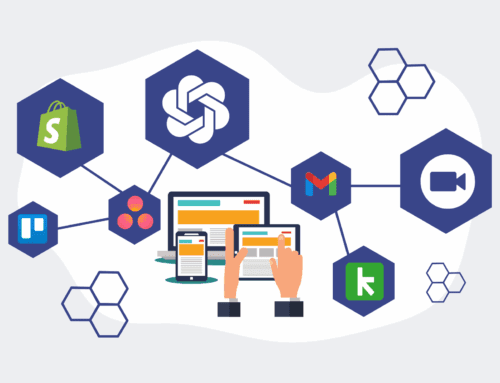
This is where 4Spot Consulting’s expertise comes into play. Our approach, guided by frameworks like OpsMesh, focuses on strategically integrating automation and AI to transform operations. For recruiting, this means automating the parsing of resumes, syncing candidate data seamlessly between applicant tracking systems (ATS) and customer relationship management (CRM) platforms like Keap, and even leveraging AI for initial candidate screening or communication. We use robust tools like Make.com to connect disparate systems, creating workflows that are not only faster but also virtually error-free.
Imagine a scenario where a new resume submission automatically triggers a process: parsing key data points, populating the candidate’s profile in your CRM, initiating an automated acknowledgment email, and even scheduling an initial screening call based on predefined criteria. This isn’t futuristic; it’s what we implement for our clients today.
Building a Single Source of Truth for Recruitment
One of the foundational principles we adhere to is establishing a “single source of truth.” By automating data flow, we ensure that every piece of candidate information is consistent and up-to-date across all relevant platforms. This eliminates discrepancies, enhances reporting accuracy, and empowers recruiting leaders with reliable data to make informed strategic decisions. Our clients gain unparalleled visibility into their talent pipeline, from initial outreach to offer acceptance, all without the manual effort.
From Manual Mayhem to Automated Advantage
The transformation we enable is not just about saving time; it’s about creating a competitive advantage. When your recruiting team is freed from administrative burdens, they can dedicate their energy to what truly matters: finding, engaging, and securing the best talent. This leads to faster hiring cycles, improved candidate experience, and a stronger employer brand. We’ve helped HR tech clients save over 150 hours per month by automating their resume intake and parsing process, directly translating to increased capacity and improved recruitment outcomes.
The hidden costs of manual data entry in recruiting are real, substantial, and actively holding back your growth. By embracing strategic automation and AI, you can convert these liabilities into assets, propelling your recruitment function from an operational expense to a strategic powerhouse. It’s not about replacing human judgment but augmenting it, allowing your experts to focus on the high-value interactions that truly drive your business forward.
If you would like to read more, we recommend this article: Understanding OpsMesh: Your Blueprint for Business Automation and AI Integration