Post: Revolutionizing HR & Recruiting Operations: 13 Game-Changing AI Applications
13 Game-Changing Ways AI is Revolutionizing HR & Recruiting Operations
The landscape of HR and recruiting is undergoing a seismic shift, driven by the relentless pace of technological innovation. For too long, human resources departments have been mired in manual, repetitive tasks – sifting through countless resumes, coordinating endless interview schedules, and managing a labyrinth of employee data. This isn’t just inefficient; it’s a bottleneck that stifles strategic growth and diverts high-value talent from more impactful work. In today’s competitive environment, where talent acquisition and retention are paramount, relying on outdated processes is no longer sustainable. Business leaders, especially those scaling B2B operations, understand that time is money, and every manual hour spent on low-value work is a direct hit to the bottom line.
Enter Artificial Intelligence. Far from being a futuristic pipe dream, AI is already here, offering tangible, practical solutions that are redefining how HR and recruiting functions operate. At 4Spot Consulting, we’ve seen firsthand how integrating AI and automation can eliminate human error, drastically reduce operational costs, and build scalable systems that empower teams to achieve more with less. Our approach isn’t about replacing people; it’s about augmenting human capability, freeing up HR and recruiting professionals to focus on strategic initiatives, relationship building, and fostering a truly exceptional employee experience. This isn’t just about efficiency; it’s about competitive advantage. Let’s explore 13 game-changing ways AI is actively revolutionizing these critical business functions.
1. Automated Candidate Sourcing & Identification
One of the most time-consuming aspects of recruitment is finding qualified candidates. Traditional methods involve manual searches across job boards, professional networks, and internal databases, which are often inefficient and prone to human bias. AI revolutionizes this by leveraging advanced algorithms to scan vast quantities of online data, identify passive candidates, and pinpoint individuals whose skills, experience, and even cultural fit align perfectly with job requirements. AI-powered tools can analyze public profiles, academic papers, project contributions, and more to create a rich, comprehensive candidate profile that human recruiters would take days to compile. This proactive sourcing capability ensures a wider, more diverse talent pool, reaching candidates who might not actively be looking for a new role but are an ideal match. By automating the initial candidate identification, HR teams can significantly cut down on the early stages of the recruitment funnel, focusing their energy on engaging genuinely promising prospects. Our clients often see dramatic improvements in candidate quality and reduced time-to-hire by implementing these intelligent sourcing strategies as part of an overarching OpsMesh™ automation framework.
2. Intelligent Resume Parsing & Screening
The sheer volume of applications for any given role can be overwhelming, leading to delays and potential oversight of top talent. Manual resume screening is not only tedious but also subjective. AI-powered resume parsing tools can instantly extract relevant information from resumes, such as skills, experience, education, and keywords, and structure it into a standardized format. Beyond simple data extraction, intelligent screening algorithms can then analyze this data against job descriptions, identifying the best-fit candidates with remarkable accuracy. These systems can even detect nuances in language and quantify experience levels, reducing the chances of unconscious bias influencing initial screening decisions. For an HR tech client, 4Spot Consulting implemented a system using Make.com and AI enrichment that saved over 150 hours per month by automating resume intake, parsing, and syncing data directly into their Keap CRM. This eliminated manual data entry errors and ensured that recruiters received a pre-qualified list of candidates, allowing them to engage much faster and more effectively with potential hires, showcasing a direct ROI from AI integration.
3. AI-Powered Chatbots for Candidate Engagement
Candidates today expect immediate responses and personalized interactions throughout the application process. Unfortunately, HR teams often struggle to keep up with the volume of inquiries. AI-powered chatbots and virtual assistants are stepping in to bridge this gap, providing 24/7 support to candidates. These intelligent agents can answer common FAQs about job roles, company culture, benefits, and the application status. They can pre-screen candidates with initial qualification questions, gather basic information, and even schedule interviews without human intervention. This not only enhances the candidate experience by offering instant gratification but also frees up recruiters from repetitive administrative tasks. The conversational AI can guide candidates through the application journey, reducing drop-off rates and ensuring that only truly interested and qualified individuals move forward. This efficiency allows human recruiters to dedicate their time to more complex candidate interactions and strategic relationship building, transforming their role from administrative gatekeepers to strategic talent advisors.
4. Predictive Analytics for Retention & Turnover
Employee turnover is a costly problem for any organization, impacting productivity, morale, and recruitment expenses. AI offers powerful tools to proactively address this challenge through predictive analytics. By analyzing a wide range of HR data—including performance reviews, compensation, tenure, engagement survey results, manager feedback, and even sentiment from internal communications—AI algorithms can identify patterns and predict which employees are at a higher risk of leaving the company. This isn’t about guessing; it’s about data-driven insights. With these predictions, HR leaders can intervene early with targeted retention strategies, such as personalized development plans, mentorship opportunities, or adjustments to roles and responsibilities. Understanding the underlying factors contributing to turnover allows businesses to address systemic issues before they escalate, fostering a more stable and engaged workforce. This strategic foresight, empowered by AI, enables organizations to save substantial costs associated with recruitment and training new hires, protecting their intellectual capital and ensuring business continuity.
5. Personalized Employee Onboarding Experiences
A positive and efficient onboarding experience is crucial for new hire retention and productivity, yet it’s often a disjointed, paperwork-heavy process. AI can transform onboarding into a personalized, engaging journey. From sending tailored pre-boarding communications and automatically setting up necessary accounts and access based on role, to recommending relevant training modules and connecting new hires with mentors, AI streamlines every step. Imagine a new employee receiving a personalized welcome message from an AI assistant, guiding them through their initial tasks, answering their immediate questions, and introducing them to team members and company resources, all without human intervention. This not only reduces the administrative burden on HR staff but also ensures new hires feel supported and integrated from day one. By automating the logistical aspects, HR can focus on the human element: fostering relationships, culture integration, and ensuring a seamless transition that maximizes early productivity and long-term engagement. This level of personalized care, powered by intelligent automation, sets the stage for a successful employee journey.
6. Smart Interview Scheduling & Coordination
Coordinating interviews across multiple candidates, hiring managers, and panel members is notoriously complex and time-consuming. The back-and-forth emails, calendar clashes, and manual follow-ups consume valuable HR time that could be better spent on strategic initiatives. AI-powered scheduling tools eliminate this logistical headache entirely. These systems can integrate with calendars (like Outlook or Google Calendar), understand interviewer availability, take into account time zone differences, and automatically propose optimal interview slots to candidates. Once a time is selected, the system sends out calendar invites, video conference links, and reminders to all participants. Furthermore, some advanced systems can even pre-populate interview guides based on the role, ensuring consistency and efficiency. This automation drastically reduces the administrative load on recruiting teams, minimizes scheduling errors, and accelerates the overall hiring process. By streamlining interview coordination, companies can deliver a more professional and efficient experience for both candidates and internal stakeholders, ensuring that top talent doesn’t slip away due due to scheduling delays.
7. Skills-Based Matching for Internal Mobility
Maximizing the potential of existing employees through internal mobility is a strategic imperative for talent retention and growth. However, identifying employees with the right skills for new internal roles can be challenging in large organizations. AI excels here by creating comprehensive skill inventories for all employees, analyzing their work history, project contributions, performance reviews, and even learning & development activities. When a new internal opportunity arises, AI can intelligently match employees to these roles based on their documented skills, potential for development, and career aspirations. This not only helps retain valuable talent by offering clear growth paths but also reduces the need to hire externally, saving significant recruitment costs. By breaking down internal silos and making skills visible across the organization, AI fosters a culture of continuous learning and development, ensuring that the right talent is always in the right place at the right time. This proactive approach to talent management is a hallmark of scalable, AI-driven HR operations.
8. AI-Driven Performance Management & Feedback
Performance management can often be a subjective, infrequent, and anxiety-inducing process. AI brings objectivity, frequency, and actionable insights to performance management and feedback loops. AI tools can analyze various data points, including project contributions, communication patterns, goal attainment, and peer feedback, to provide a more holistic and continuous view of employee performance. Beyond just assessment, AI can identify skill gaps, recommend personalized learning paths, and even provide managers with real-time coaching suggestions based on team dynamics and individual employee needs. Some systems can analyze qualitative feedback for sentiment and common themes, helping leaders identify systemic issues or areas of excellence that might otherwise be overlooked. This shift from infrequent, retrospective reviews to continuous, data-driven feedback fosters a culture of ongoing development, helping employees grow and perform at their best. By automating the data collection and analysis, HR can focus on the strategic conversation and development aspects, leveraging AI to inform truly impactful performance strategies.
9. Automated HR Help Desks & FAQ Resolution
HR departments are often inundated with routine inquiries about benefits, payroll, company policies, vacation allowances, and more. Answering these repetitive questions consumes a significant amount of HR staff time, preventing them from focusing on more strategic employee relations or talent development initiatives. AI-powered HR help desks and virtual assistants can provide instant, accurate answers to a vast majority of these common queries. Employees can interact with a chatbot via an internal portal, messaging app, or even email, receiving immediate resolutions to their questions 24/7. These systems learn over time, improving their accuracy and expanding their knowledge base with every interaction. For more complex or sensitive issues, the AI can seamlessly escalate the query to a human HR professional, providing all relevant context to ensure a smooth hand-off. This automation dramatically improves employee satisfaction by offering instant support while freeing up HR teams to address nuanced, human-centric challenges that truly require their expertise and empathy, embodying the principle of reducing low-value work from high-value employees.
10. Enhancing Diversity, Equity, and Inclusion (DEI)
Building a truly diverse, equitable, and inclusive workforce is a moral imperative and a proven driver of business success. AI plays a crucial role in removing unconscious biases that can inadvertently creep into hiring, promotion, and performance evaluation processes. AI tools can analyze job descriptions for biased language, ensuring they attract a broader range of candidates. During resume screening, AI can anonymize identifying information to ensure merit-based selection. Furthermore, AI can help identify disparities in representation across different departments or levels and recommend targeted interventions. By analyzing employee survey data and communication patterns, AI can uncover subtle biases in workplace interactions or identify groups feeling excluded, providing actionable insights for HR leaders. This isn’t about AI making DEI decisions, but rather about AI providing objective data and tools that empower human leaders to make fairer, more informed decisions, helping organizations build truly inclusive cultures where every employee feels valued and has the opportunity to thrive.
11. Compliance & Policy Management Automation
Navigating the complex and ever-changing landscape of labor laws, industry regulations, and internal company policies is a significant challenge for HR departments. Non-compliance can lead to hefty fines, legal issues, and reputational damage. AI and automation can dramatically simplify compliance and policy management. AI-powered systems can monitor regulatory changes, automatically update relevant policies, and ensure that all employees are informed and acknowledge new policies through automated workflows. For example, AI can identify gaps in employee training related to new compliance requirements and trigger personalized learning modules. Document management systems, often integrated with tools like PandaDoc, can ensure all contracts, consents, and policy acknowledgements are properly executed, stored, and accessible for audits. This automation minimizes the risk of human error, ensures consistent application of rules, and frees up HR teams from manual administrative burdens. It’s a proactive approach to compliance, turning a potential liability into a well-managed operational strength, enabling businesses to scale with confidence.
12. Real-time Market & Compensation Intelligence
Attracting and retaining top talent requires offering competitive compensation and benefits, but market rates are constantly fluctuating. Manually researching salary benchmarks, understanding regional differences, and staying abreast of industry trends is a labor-intensive and often outdated process. AI-driven platforms provide real-time market intelligence by analyzing vast amounts of external data, including job postings, salary surveys, economic indicators, and competitor compensation structures. These insights enable HR and recruiting professionals to make data-backed decisions on salary offers, compensation reviews, and benefits packages, ensuring they remain competitive. Furthermore, AI can predict future talent demand and supply, helping organizations proactively plan their workforce strategies and adjust their compensation models to attract critical skills. This strategic intelligence allows businesses to optimize their talent investments, ensuring they allocate resources effectively to secure and retain the best people, aligning compensation with market realities and organizational goals for maximum ROI.
13. Integrated Workflow Automation via Platforms like Make.com
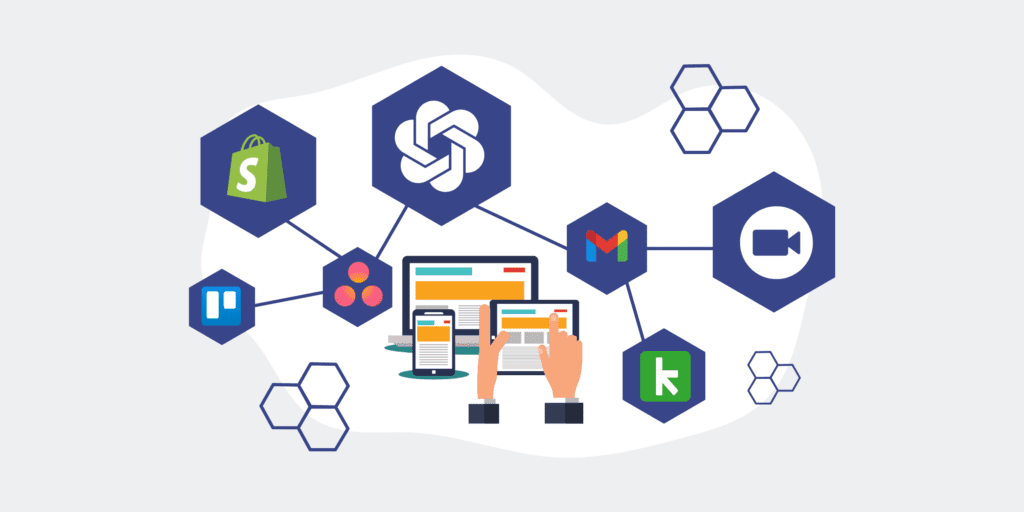
The true power of AI in HR and recruiting isn’t just in individual tools, but in how these tools are integrated to create seamless, end-to-end automated workflows. Platforms like Make.com (formerly Integromat) are central to this. They allow HR teams to connect dozens of disparate SaaS systems—from applicant tracking systems (ATS) and HRIS platforms to communication tools and internal databases—enabling data to flow freely and processes to execute autonomously. Imagine an AI-powered chatbot qualifying a candidate, then automatically creating a record in the ATS, scheduling an interview via an intelligent scheduler, sending a personalized follow-up email, and finally, once hired, triggering a new hire onboarding sequence that provisions accounts, sends contracts (via PandaDoc), and assigns initial training. This level of integration, which 4Spot Consulting specializes in through our OpsBuild™ framework, eliminates manual data entry, reduces human error, and accelerates every stage of the talent lifecycle. It’s about building a cohesive, automated ecosystem that makes HR and recruiting operations exponentially more efficient and scalable.
The journey to an AI-powered HR and recruiting function isn’t about a single tool; it’s a strategic evolution. The 13 applications we’ve explored demonstrate that AI is no longer a futuristic concept but a present-day reality offering tangible benefits: reduced costs, increased efficiency, enhanced employee experience, and a competitive edge in the war for talent. For businesses seeking to save 25% of their day and elevate their HR and recruiting operations from administrative overhead to strategic powerhouse, embracing AI and intelligent automation is essential. At 4Spot Consulting, we specialize in helping high-growth B2B companies navigate this transformation, building bespoke automation and AI systems that eliminate bottlenecks and drive measurable ROI. Don’t let your business be left behind, still bogged down by manual processes when your competitors are leveraging intelligence to scale faster and smarter. The future of work is here, and it’s automated.
If you would like to read more, we recommend this article: 7 Automation Opportunities for Modern Recruiting Teams
RELATED POST