The Hidden Costs of Manual Onboarding: Automating Your Way to HR Efficiency and Strategic Growth
For high-growth B2B companies, the moment a new hire accepts an offer should be a moment of celebration, not a trigger for a cascade of manual tasks and potential bottlenecks. Yet, for many, the onboarding process remains a labyrinth of paperwork, repetitive data entry, and fragmented communications. This isn’t just inefficient; it’s a silent drain on resources, a risk to compliance, and a detriment to the crucial first impression your company makes on its newest team members. At 4Spot Consulting, we understand that these inefficiencies aren’t merely annoyances; they steal valuable time from your high-value employees and hinder your ability to scale effectively. Our mission, to save you 25% of your day, often begins by tackling these foundational operational challenges.
The True Price of Paperwork: Beyond the Obvious
When we talk about the costs of manual onboarding, most leaders immediately think of printing expenses or the time spent chasing signatures. However, the true price tag is far more extensive and insidious. Consider the following:
Lost Productivity and Engagement
Each hour an HR specialist spends manually entering data, compiling welcome packets, or coordinating IT access is an hour they’re not dedicating to strategic talent development, employee relations, or proactive HR planning. For the new hire, a disorganized or slow onboarding process can lead to frustration, confusion, and a feeling of being undervalued. Research consistently shows that a poor onboarding experience significantly increases the likelihood of early attrition, costing companies far more than just the initial hiring investment.
Compliance Risks and Human Error
Manual processes are inherently prone to human error. A missed form, an incorrect data entry, or a forgotten compliance check can lead to serious legal ramifications, fines, or reputational damage. In an increasingly regulated environment, especially across diverse jurisdictions, ensuring every ‘i’ is dotted and ‘t’ is crossed manually becomes an unsustainable and risky endeavor. The reliance on individual memory or fragmented checklists creates a fragile system that can easily break under pressure or growth.
Hindered Scalability
As your company grows, so too does your hiring volume. A manual onboarding process that barely copes with five new hires a month will collapse under the weight of twenty. It becomes a critical bottleneck, preventing your HR department from supporting the company’s expansion and forcing leadership to slow hiring or over-staff HR, neither of which is a desirable outcome. True scalability requires systems that can flex and grow with the business, eliminating points of friction before they become insurmountable barriers.
From Reactive to Proactive: The Automation Imperative
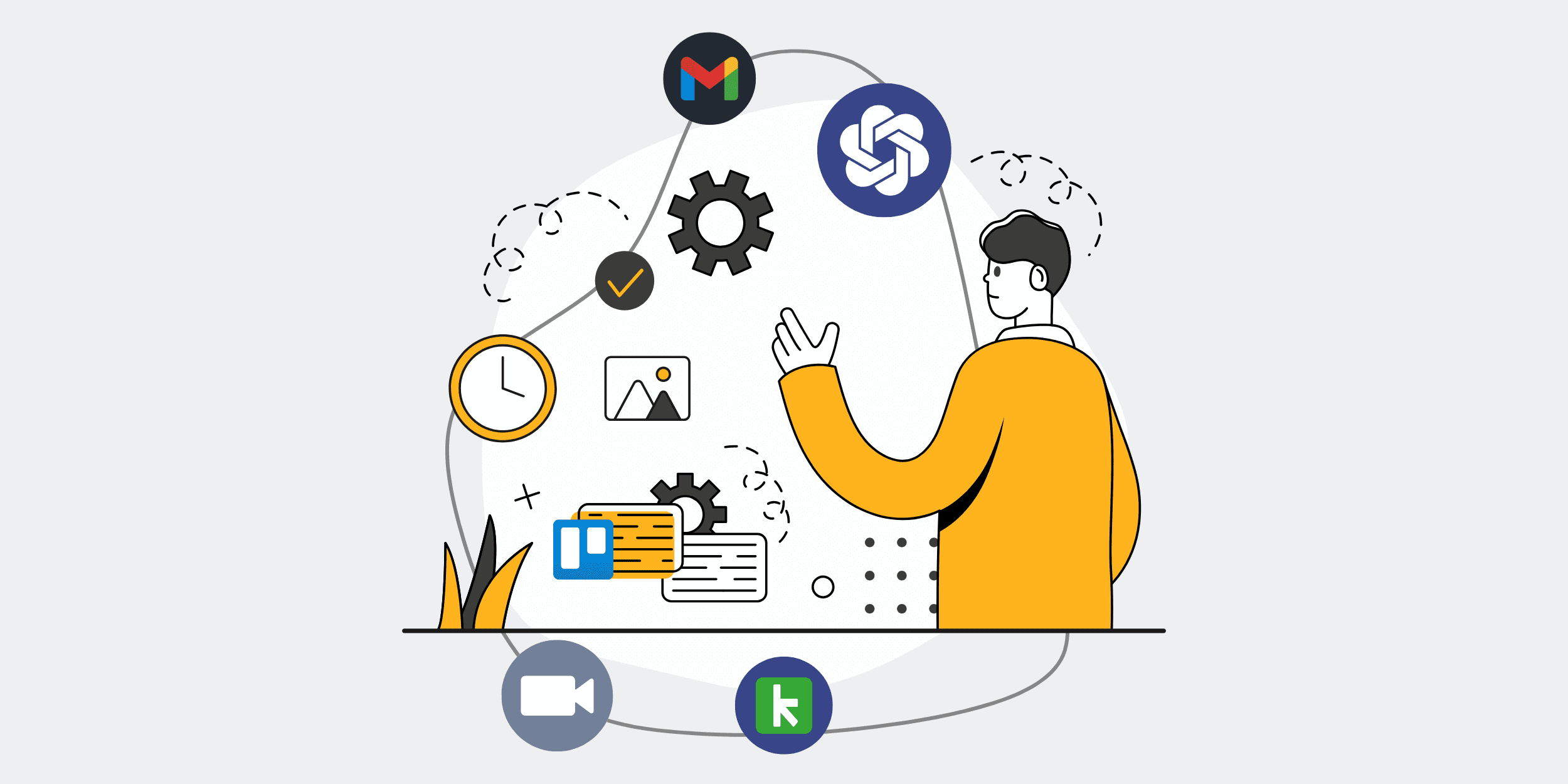
The solution isn’t to simply work harder or hire more HR staff; it’s to work smarter through intelligent automation. Our OpsMesh framework is designed precisely for this – to weave together your disparate systems and processes into a cohesive, efficient operational network. With tools like Make.com, we can connect dozens of SaaS systems, transforming your onboarding from a manual slog into a seamless, automated symphony.
Orchestrating a Seamless First Impression
Imagine a scenario where, upon an offer acceptance, the following happens automatically:
- All necessary HR forms (I-9, W-4, non-disclosure agreements, etc.) are electronically sent for e-signature via PandaDoc, pre-filled with existing candidate data.
- A welcome email is triggered, providing essential first-day information, company culture guides, and access to internal communication channels.
- IT provisioning is initiated, creating accounts, setting up hardware requests, and scheduling equipment delivery.
- Payroll and benefits enrollment information is automatically transferred to your HRIS, minimizing data entry errors.
- Training modules and schedules are assigned based on role, ensuring new hires hit the ground running with relevant knowledge.
This isn’t a futuristic dream; it’s the reality we build for our clients. By removing the repetitive, low-value work, HR teams can focus on what truly matters: integrating new employees into the culture, mentoring, and fostering engagement from day one. It’s about delivering a world-class employee experience, not just processing paperwork.
Beyond Onboarding: The Ripple Effect of Smart Automation
An automated onboarding system is often just the beginning. The principles and technologies employed can be extended throughout the employee lifecycle – from performance management and learning & development to offboarding. For instance, we helped an HR tech client save over 150 hours per month by automating their resume intake and parsing process using Make.com and AI enrichment, then syncing to Keap CRM. This same strategic thinking and application of technology can be applied to every touchpoint, reducing operational costs, eliminating human error, and increasing scalability across the board.
By implementing these strategic automations, businesses move from reactive firefighting to proactive, data-driven decision-making. High-value employees are liberated from administrative burdens, allowing them to contribute to higher-level strategic initiatives. This isn’t just about saving time; it’s about unlocking potential, driving revenue growth, and building a more resilient, scalable business.
If you would like to read more, we recommend this article: Mastering Business Automation: Your Blueprint for 25% More Time