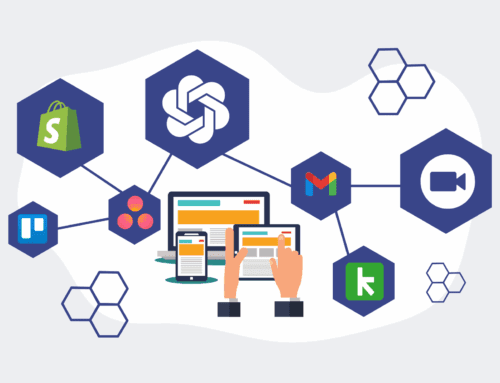
A Glossary of Key Terms in HR & Recruiting Automation
In today’s fast-paced business environment, HR and recruiting professionals are constantly seeking innovative ways to streamline operations, enhance candidate experiences, and optimize talent acquisition. The integration of automation and artificial intelligence has become paramount for achieving these goals. This glossary provides essential definitions for key terms that every HR and recruiting leader should understand, particularly in the context of leveraging technology to save time, reduce human error, and scale efficiently.
Recruitment Automation
Recruitment Automation refers to the use of technology to automate repetitive, manual tasks throughout the hiring process. This includes everything from initial candidate sourcing and screening to scheduling interviews, sending personalized communications, and managing offer letters. For HR and recruiting professionals, automation frees up valuable time, allowing them to focus on strategic initiatives like candidate engagement and talent strategy rather than administrative burdens. It significantly reduces time-to-hire, improves candidate experience through prompt communication, and ensures compliance by standardizing processes.
Applicant Tracking System (ATS)
An Applicant Tracking System (ATS) is a software application designed to help recruiters and employers manage the recruiting and hiring process. It typically provides features for collecting and storing resumes and applications, tracking candidate progress through the hiring stages, managing job postings, and facilitating communication with applicants. In an automated HR environment, an ATS often integrates with other tools to automate tasks such as resume parsing, initial candidate screening based on keywords, and scheduling follow-up actions, making it a central hub for talent acquisition data.
Candidate Relationship Management (CRM)
A Candidate Relationship Management (CRM) system, in the context of recruiting, is a tool used to build and nurture relationships with potential candidates, often before a specific job opening exists. Unlike an ATS, which focuses on active applicants, a recruiting CRM is about proactive talent pooling and engagement. It helps HR professionals manage pipelines of passive candidates, track interactions, and personalize outreach, ensuring a ready pool of qualified individuals when roles become available. Automating CRM tasks can involve drip campaigns, segmented communication, and event invitations to keep candidates engaged over time.
Workflow Automation
Workflow Automation involves designing and implementing automated sequences of tasks, decisions, and actions that constitute a business process. In HR, this can range from automating employee onboarding tasks (e.g., document signing, IT provisioning requests) to streamlining performance review cycles or managing time-off requests. For recruiting, it ensures a consistent process for every candidate, reducing manual errors and accelerating stages like interview scheduling or background checks. By using platforms like Make.com, organizations can connect disparate systems to create seamless, end-to-end automated workflows.
AI in HR
Artificial Intelligence (AI) in HR encompasses the application of AI technologies, such as machine learning and natural language processing, to enhance various human resources functions. This can include AI-powered resume screening for improved candidate matching, chatbots for instant candidate or employee support, predictive analytics for turnover risk, and personalized learning and development recommendations. For HR and recruiting professionals, AI tools offer the potential to make data-driven decisions, reduce bias in hiring, and significantly improve efficiency and accuracy across the talent lifecycle.
Low-Code/No-Code Platforms
Low-code/No-code platforms are development environments that allow users to create applications and automate processes with minimal (low-code) or no (no-code) traditional programming. These platforms use visual interfaces with drag-and-drop functionalities, enabling business users – including those in HR – to build powerful integrations and automations without relying heavily on IT departments. Tools like Make.com are prime examples, empowering HR teams to connect their ATS, CRM, HRIS, and other systems to automate complex workflows, saving time and fostering innovation within the department.
Data Integration
Data Integration refers to the process of combining data from various disparate sources into a unified view. In HR and recruiting, this often means connecting systems like an ATS, HRIS, payroll software, and CRM to ensure all relevant information about candidates and employees is consistent and accessible across platforms. Effective data integration eliminates manual data entry, reduces discrepancies, and provides a single source of truth for critical HR metrics. Automation tools play a crucial role in orchestrating these integrations, ensuring data flows seamlessly and in real-time between systems, preventing silos and enhancing reporting capabilities.
Onboarding Automation
Onboarding Automation involves automating the series of tasks and communications required to integrate new hires into an organization. This typically includes sending welcome emails, distributing essential forms and policies, setting up IT access, scheduling initial training, and assigning mentors. By automating these processes, companies can ensure a consistent, positive experience for every new employee, reducing administrative burden on HR teams, accelerating productivity for new hires, and improving retention rates. Automation ensures no critical steps are missed and that new employees feel supported from day one.
Predictive Analytics
Predictive Analytics in HR utilizes statistical algorithms and machine learning techniques to identify patterns in HR data and forecast future outcomes. For instance, it can predict which employees are at risk of leaving, identify the most successful hiring channels, or forecast future talent needs based on business growth. For recruiting professionals, predictive analytics can optimize job advertising spend, refine candidate sourcing strategies, and improve the quality of hires. It transforms HR from a reactive function to a proactive, strategic partner, enabling data-driven decision-making to optimize talent management.
Robotic Process Automation (RPA)
Robotic Process Automation (RPA) involves using software robots (bots) to mimic human actions when interacting with digital systems and software. Unlike more complex AI, RPA focuses on automating repetitive, rule-based tasks without requiring significant system overhauls. In HR, RPA can automate data entry into HRIS, transfer information between incompatible systems, process expense reports, or handle basic inquiries. For recruiters, it can automate resume parsing from emails, update candidate statuses, or generate routine reports, significantly speeding up operational tasks and reducing human error.
Employee Experience (EX) Automation
Employee Experience (EX) Automation leverages technology to streamline and enhance various touchpoints throughout an employee’s journey, from onboarding to offboarding. This includes automating personalized communications, providing self-service options for HR queries, streamlining feedback collection, and automating requests for training or career development opportunities. The goal is to create a more engaging, efficient, and supportive environment for employees. For HR, EX automation reduces the administrative load, allows for more proactive support, and contributes to higher employee satisfaction and retention rates.
Skills-Based Hiring
Skills-Based Hiring is a recruitment approach that prioritizes a candidate’s demonstrated skills, competencies, and potential over traditional proxies like degrees or previous job titles. This method aims to broaden talent pools, reduce bias, and improve job fit. Automation supports skills-based hiring through tools that can objectively assess skills via online tests, analyze project portfolios, or use AI to extract and match skills from resumes and job descriptions. For HR and recruiting professionals, it enables a more equitable and effective hiring process, helping identify candidates with the actual capabilities needed for success in a role.
Human Resources Information System (HRIS)
A Human Resources Information System (HRIS) is a comprehensive software solution that manages and automates core HR functions. It typically includes modules for employee data management, payroll, benefits administration, time and attendance tracking, and compliance reporting. An HRIS serves as the central repository for all employee information, enabling HR professionals to manage their workforce efficiently. When integrated with automation platforms, an HRIS can automatically update employee records based on changes from other systems, trigger payroll processes, or generate compliance reports, creating a seamless and error-free HR ecosystem.
Natural Language Processing (NLP)
Natural Language Processing (NLP) is a branch of artificial intelligence that enables computers to understand, interpret, and generate human language. In HR and recruiting, NLP is used to analyze large volumes of textual data. Examples include parsing resumes to extract relevant skills and experience, analyzing candidate responses to interview questions, generating job descriptions, or powering chatbots for candidate inquiries. For HR professionals, NLP significantly speeds up the analysis of unstructured data, helps identify key insights from candidate communication, and enhances the efficiency of many language-dependent HR processes.
Talent Acquisition
Talent Acquisition (TA) is the strategic and continuous process of sourcing, attracting, recruiting, interviewing, hiring, and onboarding skilled workers. Unlike general “recruiting,” TA is a broader, long-term approach focused on building a sustainable talent pipeline and aligning talent strategy with overall business goals. Automation plays a critical role in TA by streamlining repetitive tasks across all stages, allowing TA professionals to focus on relationship building, strategic planning, and employer branding. It ensures a consistent candidate experience, improves data quality for analytics, and ultimately enhances the quality and efficiency of hires.
If you would like to read more, we recommend this article: 1. Catch Webhook body satellite_blog_post_title