Post: Scale Your HR: AI and Automation Strategies for High-Growth B2B
9 Game-Changing Ways AI and Automation are Reshaping HR and Recruiting
In today’s competitive landscape, HR and recruiting professionals face unprecedented pressure to do more with less. The sheer volume of manual tasks, from resume screening to interview scheduling and onboarding paperwork, can bog down even the most efficient teams, diverting valuable time from strategic initiatives that truly impact business growth. This is where AI and automation cease to be buzzwords and become essential tools. At 4Spot Consulting, we’ve seen firsthand how high-growth B2B companies, particularly those with revenues of $5M+ ARR, are leveraging these technologies to not just survive but thrive. They’re not just digitizing old processes; they’re fundamentally reimagining how talent is attracted, hired, and retained. By embracing intelligent automation, organizations can unlock significant efficiencies, reduce human error, and free their HR teams to focus on what matters most: people strategy, employee development, and fostering a culture of innovation. This shift is critical for businesses looking to scale without proportionally increasing their operational costs. Let’s explore some of the most impactful ways AI and automation are transforming HR and recruiting, providing practical pathways to save up to 25% of your day and drive tangible ROI.
1. Automated Candidate Sourcing and Initial Screening
The first hurdle in recruiting is often the largest: sifting through hundreds, if not thousands, of applications to find qualified candidates. Manual review is not only time-consuming but also prone to unconscious bias. AI and automation revolutionize this process by rapidly identifying, engaging, and pre-screening candidates based on defined criteria, keywords, and even sentiment analysis from resumes and cover letters. Imagine an AI assistant that can scour job boards, LinkedIn, and internal databases, then automatically rank candidates based on fit, experience, and specific skill sets. Beyond basic keyword matching, advanced algorithms can analyze a candidate’s career trajectory and potential for growth within your organization, drawing insights that a human reviewer might miss in a quick scan. This frees up recruiters from the repetitive task of initial review, allowing them to focus solely on the most promising candidates who have already met baseline qualifications. We’ve implemented systems using tools like Make.com to connect applicant tracking systems with AI parsing engines, automatically extracting data, enriching profiles, and even initiating a preliminary “first touch” email series. This dramatically reduces time-to-fill, broadens your talent pool by efficiently reviewing more applicants, and ensures a more objective initial assessment, leading to better quality hires and a significant reduction in operational overhead.
2. AI-Powered Interview Scheduling and Coordination
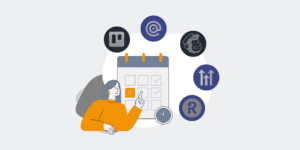
Coordinating interviews across multiple calendars, time zones, and stakeholders is a notorious time sink for recruiters. The back-and-forth emails can add days to the hiring process, leading to candidate drop-off and frustration. AI and automation completely eliminate this bottleneck. Intelligent scheduling tools integrate directly with calendars, automatically finding optimal slots that work for all parties involved – candidates, hiring managers, and interview panels. These systems can also send automated reminders, update meeting invites, and even provide candidates with pre-interview materials, ensuring everyone is prepared and informed. For complex interview loops, AI can sequence interviews logically, ensuring candidates move through stages smoothly without unnecessary delays. Beyond mere scheduling, some AI tools can even handle rescheduling requests autonomously, adapting to last-minute changes without human intervention. This not only dramatically improves the candidate experience, portraying your company as efficient and professional, but also saves countless hours for recruiting coordinators and hiring managers. The time reclaimed from administrative tasks can be redirected towards more strategic activities like talent mapping, building candidate relationships, and refining interview processes to better assess cultural fit and technical capabilities. This level of operational streamlining is fundamental to scaling your recruiting efforts without hiring more administrative staff.
3. Intelligent Onboarding Workflows and Documentation
The onboarding process is a critical touchpoint for new hires, often setting the tone for their entire tenure at a company. Yet, it’s frequently bogged down by manual paperwork, repetitive data entry, and disjointed departmental handoffs. Automation transforms onboarding from a chaotic series of tasks into a seamless, integrated experience. Imagine a system where, once an offer is accepted, a cascade of automated actions is triggered: new hire paperwork (W-4s, I-9s, offer letters) is automatically generated and sent via e-signature platforms like PandaDoc; IT provisioning requests for laptops and software accounts are submitted; HRIS systems are updated; and welcome emails with essential information are scheduled. This reduces errors, ensures compliance, and significantly improves the new hire experience. Furthermore, AI can personalize the onboarding journey, recommending relevant training modules or internal resources based on the new employee’s role and department. For instance, our OpsBuild™ implementations ensure that every step, from background checks to benefits enrollment, is tracked and executed with precision. This not only saves HR teams dozens of hours per new hire but also ensures compliance, minimizes the risk of human error in critical documentation, and most importantly, makes new employees feel valued and integrated from day one. A smooth onboarding translates directly into higher engagement and retention rates.
4. Predictive Analytics for Workforce Planning and Retention
Beyond transactional tasks, AI offers profound capabilities in strategic HR through predictive analytics. By analyzing vast datasets—including employee performance metrics, engagement survey results, tenure data, compensation, and external market trends—AI algorithms can identify patterns and predict future outcomes. This capability empowers HR leaders to anticipate workforce needs, forecast potential turnover in specific departments or roles, and proactively identify employees at risk of leaving. For example, an AI system might flag that employees in a particular team with a certain combination of workload, management style, and compensation history are more likely to depart within the next six months. With this insight, HR can intervene with targeted retention strategies, whether it’s mentorship programs, skill development opportunities, or compensation adjustments. Similarly, predictive analytics can inform strategic workforce planning by identifying future skill gaps based on business goals and market shifts, allowing HR to initiate targeted recruiting or upskilling programs well in advance. This data-driven approach moves HR from reactive problem-solving to proactive, strategic talent management. For high-growth companies, understanding and mitigating turnover risks, and ensuring a pipeline of future talent, is not just beneficial—it’s essential for sustained scalability and competitive advantage.
5. Personalized Employee Experience and Communication
In the modern workplace, employees expect a consumer-grade experience, and generic, one-size-fits-all communication no longer cuts it. AI and automation enable highly personalized employee experiences, fostering greater engagement and satisfaction. Think of AI-powered chatbots as the first line of support for common HR queries, available 24/7. Employees can instantly get answers on benefits, PTO policies, or company directories without waiting for an HR representative. This significantly reduces the administrative burden on HR teams, allowing them to focus on more complex, sensitive issues. Beyond chatbots, automation can tailor internal communications based on an employee’s role, location, or career stage, ensuring they receive only relevant information. For instance, a new parent might automatically receive information about parental leave benefits, while an employee approaching a promotion milestone could get resources for leadership development. Furthermore, AI can analyze employee sentiment from internal communications or surveys, providing HR with real-time insights into employee morale and potential areas of concern. This personalization creates a more supportive and responsive work environment, making employees feel understood and valued. It’s about leveraging technology to build a more human-centric workplace, where information is accessible, and support is readily available, ultimately boosting productivity and loyalty.
6. Automated Compliance and HR Policy Management
Navigating the labyrinth of labor laws, compliance regulations, and internal HR policies is a constant challenge, especially for companies operating across different states or countries. Failure to comply can lead to significant legal and financial repercussions. Automation and AI provide a powerful solution to mitigate these risks and ensure consistent adherence. Automated systems can track changes in regulations at local, state, and federal levels, then proactively flag policies that need updating within your HR platform. For example, when a new minimum wage law is passed, the system can automatically identify affected employees and processes, triggering alerts for review and adjustment. Beyond tracking, automation can ensure that all employees acknowledge and complete mandatory training modules, such as anti-harassment or data privacy courses, with automated reminders and reporting for audit purposes. Documentation retention, often a legal requirement, can be fully automated, ensuring that sensitive data is stored securely and deleted according to predefined schedules. This reduces the administrative burden of manual compliance checks, minimizes the risk of human error, and provides an auditable trail for all HR processes. For organizations seeking to scale, automating compliance is not just about avoiding penalties; it’s about building a robust, resilient operational backbone that safeguards the business and its employees.
7. AI-Driven Learning and Development Personalization
In a rapidly evolving job market, continuous learning and development are crucial for retaining top talent and ensuring your workforce possesses the skills needed for future challenges. However, generic training programs often fall short. AI revolutionizes L&D by personalizing learning paths for each employee. By analyzing an individual’s role, performance data, career aspirations, and identified skill gaps, AI can recommend highly relevant courses, workshops, and resources. For example, if an employee’s performance review highlights a need for improved project management skills, the AI system could automatically suggest specific modules from your learning management system (LMS) or external platforms, rather than a generic catalogue. Furthermore, AI can track an employee’s progress, assess comprehension through adaptive testing, and adjust learning content in real-time to maximize effectiveness. This ensures that training is not only engaging but also directly tied to individual and organizational goals. Automation can also manage the logistics of L&D, from enrolling employees in courses to tracking completion rates and issuing certifications. This targeted approach to development not only boosts employee skill sets and productivity but also demonstrates a commitment to their growth, significantly enhancing retention and fostering a culture of continuous improvement within the organization. It’s about investing in your people smarter, not just harder.
8. Streamlined Performance Management and Feedback
Traditional annual performance reviews are often dreaded, time-consuming, and can feel detached from daily work. AI and automation transform performance management into a continuous, more objective, and less burdensome process. Automated systems can facilitate continuous feedback loops, making it easier for managers and peers to provide real-time input rather than waiting for an annual cycle. AI can then analyze this feedback, along with project performance data, goal achievement, and even peer reviews, to provide a more holistic and unbiased view of an employee’s performance. For instance, instead of relying solely on subjective manager input, AI can flag consistent patterns in project completion, task delegation, or contribution to team goals. This data-driven approach helps identify high performers, pinpoint areas for improvement, and ensure that evaluations are based on concrete evidence rather than memory or bias. Furthermore, automation can streamline the administrative tasks associated with performance reviews, such as sending out reminders, aggregating feedback, and tracking goal progress. This allows managers and HR to focus on meaningful coaching and development conversations, rather than administrative overhead. The result is a more accurate, fair, and effective performance management system that supports employee growth, enhances engagement, and aligns individual contributions with strategic business objectives.
9. Enhanced Data Security and HR Systems Integration
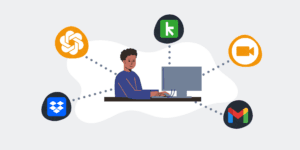
In an era of increasing cyber threats and stringent data privacy regulations, safeguarding sensitive employee information is paramount. HR departments often grapple with disparate systems – ATS, HRIS, payroll, benefits platforms – leading to data silos, manual reconciliation, and increased security vulnerabilities. Automation and AI are critical for building a robust, secure, and integrated HR tech stack. By using integration platforms like Make.com, organizations can create a “single source of truth” for all HR data, automatically syncing information across various systems. This eliminates manual data entry errors, ensures data consistency, and significantly reduces the risk of sensitive information residing in unsecure locations. AI plays a role in enhancing data security through anomaly detection, identifying unusual access patterns or data transfers that could indicate a breach. Furthermore, automation can enforce data governance policies, ensuring that only authorized personnel have access to specific types of information and that data retention policies are automatically adhered to. For high-growth companies, a fragmented HR tech landscape is a significant bottleneck to scalability and a massive security risk. Our OpsMesh™ framework focuses on creating these interconnected, secure systems, enabling HR teams to operate with confidence, knowing their data is accurate, accessible, and protected. This foundational integration is not just about efficiency; it’s about creating a resilient, compliant, and scalable HR infrastructure.
The journey to modern HR and recruiting is an ongoing one, but the direction is clear: intelligent automation and AI are no longer optional but essential. For high-growth B2B companies, leveraging these technologies isn’t just about cutting costs; it’s about strategically empowering your HR function to become a true business driver. By automating the mundane, you free your most valuable asset—your people—to focus on innovation, strategic planning, and fostering a workplace where talent thrives. From optimizing the candidate journey to personalizing the employee experience and ensuring robust data security, AI and automation provide the tools to build an HR ecosystem that is efficient, compliant, and deeply human-centric. Embracing these shifts allows you to eliminate bottlenecks, reduce human error, and achieve the scalability necessary to meet your ambitious growth targets. It’s about doing more with less, smarter, and with greater impact, ultimately saving your team precious time every day. Isn’t it time your HR team stopped drowning in manual tasks and started shaping the future of your workforce?
If you would like to read more, we recommend this article: The Definitive Guide to AI and Automation Strategy for HR and Recruiting
RELATED POST