Post: Beyond Admin: 11 AI Trends Turning HR into a Strategic Powerhouse
11 Transformative AI Trends Reshaping HR and Talent Acquisition
The landscape of Human Resources and Talent Acquisition is undergoing a seismic shift, driven by the relentless advancement of Artificial Intelligence. For too long, HR professionals and recruiters have been mired in repetitive, low-value tasks – sifting through mountains of resumes, scheduling endless interviews, and managing compliance paperwork. This manual burden not only saps productivity but also diverts valuable strategic attention away from what truly matters: people. However, AI is no longer a futuristic concept; it’s a present-day reality offering tangible solutions to these deeply ingrained inefficiencies. It’s fundamentally changing how organizations attract, engage, develop, and retain talent, moving HR from a purely administrative function to a strategic powerhouse. At 4Spot Consulting, we’ve witnessed firsthand how embracing AI and automation can liberate HR teams, allowing them to focus on high-impact initiatives that drive business growth and employee satisfaction. The key isn’t just adopting technology for technology’s sake, but strategically integrating AI to solve real business problems, eliminate human error, and unlock unprecedented levels of scalability. This isn’t about replacing human judgment but augmenting it, providing insights and efficiencies that were once unimaginable.
The trends we’re seeing aren’t just incremental improvements; they represent a complete paradigm shift in how talent operations are executed. From optimizing the very first touchpoint with a candidate to fostering long-term employee development, AI is embedding itself across the entire talent lifecycle. For HR leaders, COOs, and recruitment directors, understanding these trends isn’t just beneficial—it’s imperative for staying competitive and building a resilient, high-performing workforce. We’re about to explore 11 transformative AI trends that are not only reshaping HR and talent acquisition but are also poised to redefine what’s possible for your organization. Each of these trends offers practical, actionable insights designed to save you time, reduce costs, and elevate your human capital strategy to new heights.
1. AI-Powered Sourcing and Candidate Matching
One of the most significant pain points in talent acquisition has historically been the laborious and often biased process of sourcing and matching candidates to open roles. Traditional keyword-based searches often miss qualified candidates who don’t perfectly align with rigid job descriptions, while manual review processes are prone to human error and unconscious bias. AI is revolutionizing this by moving beyond simple keyword matching to contextual understanding and predictive analytics. Modern AI sourcing platforms can analyze vast databases of resumes, professional profiles, and online activity, understanding not just explicit skills but also latent capabilities, cultural fit indicators, and growth potential. They leverage natural language processing (NLP) to parse nuanced language in job descriptions and candidate profiles, identifying the true essence of a role and the most suitable candidates.
For HR and recruiting professionals, this means a dramatic reduction in time spent sifting through irrelevant applications and a significant increase in the quality of initial candidate pools. AI algorithms can identify “dark horse” candidates who might not have perfectly optimized their resumes but possess the right experience and aptitudes. Furthermore, these systems can actively learn from recruiter feedback, continually refining their matching algorithms to improve accuracy over time. Imagine reducing the time to shortlist qualified candidates by 50% or more, freeing up your recruiters to focus on engagement and relationship building rather than tedious data sifting. This also helps in reaching a more diverse talent pool, as AI can be designed to minimize biases inherent in human decision-making, ensuring a fairer and more equitable hiring process. The practical application here is not just about speed, but about making smarter, more informed decisions right from the outset of the talent acquisition funnel, leading to better hires and a stronger organizational fit.
2. Automated Candidate Screening and Shortlisting
Once candidates are sourced, the next hurdle is screening them effectively and efficiently. In high-volume hiring environments, thousands of applications can flood in, making it virtually impossible for human recruiters to give each one the attention it deserves. This often leads to qualified candidates being overlooked or an excessively long time-to-hire. AI-powered screening tools are fundamentally transforming this stage by automating the initial review process. These systems can quickly analyze resumes, cover letters, and even pre-screening questionnaire responses against predefined criteria, identifying candidates who meet the essential requirements and flagging those who don’t. Beyond simple keyword checks, advanced AI can assess consistency, identify red flags, and even infer soft skills from textual data.
One powerful application is the use of AI to evaluate recorded video interviews. Algorithms can analyze vocal tone, word choice, and even non-verbal cues (with appropriate ethical considerations and transparency) to provide objective insights that complement human review. This drastically reduces the time human recruiters spend on first-round interviews, allowing them to focus their energy on candidates who have already demonstrated a strong fit. For instance, an AI tool integrated with a CRM like Keap can automatically move qualified candidates to the next stage of the pipeline, triggering automated communications and scheduling while unqualified candidates receive polite rejection letters. This level of automation ensures that no viable candidate slips through the cracks due to oversight, and it significantly enhances the candidate experience by providing prompt feedback. The result is a more streamlined, objective, and scalable screening process that improves recruiter efficiency and accelerates the hiring cycle, directly impacting operational costs and talent acquisition ROI.
3. Intelligent Chatbots and Virtual Assistants
Candidate engagement is a critical component of a successful hiring strategy, yet it’s often hindered by the sheer volume of inquiries and the need for 24/7 availability. Candidates frequently have questions about job descriptions, company culture, application status, or interview processes, and delayed responses can lead to disengagement and a poor perception of the employer brand. Intelligent chatbots and virtual assistants, powered by AI and natural language understanding (NLU), are solving this challenge by providing instant, always-on support to candidates. These bots can be embedded directly into career pages, application portals, or even messaging platforms, offering a seamless and responsive experience.
Chatbots can answer common FAQs, guide candidates through the application process, provide updates on application status, and even conduct preliminary screening questions. This frees up recruiting teams from repetitive administrative tasks, allowing them to focus on higher-value activities like direct candidate engagement and strategic planning. Imagine a candidate applying at 2 AM who can immediately get answers to their questions, rather than waiting for business hours. This not only improves candidate satisfaction but also significantly reduces the inbound inquiry volume for recruiters. Furthermore, these systems can learn and improve over time, becoming more adept at understanding and responding to complex queries. They can also act as powerful data collection tools, gathering insights into candidate interests and pain points, which can then inform and optimize future recruitment strategies. For companies striving for an exceptional candidate experience and operational efficiency, integrating intelligent chatbots is no longer a luxury but a strategic necessity, ensuring every candidate interaction is prompt, informative, and engaging.
4. Personalized Candidate Experience
In today’s competitive talent market, candidates expect a personalized, relevant experience similar to what they receive as consumers. A generic, one-size-fits-all approach to recruitment can deter top talent and lead to higher drop-off rates. AI is enabling a new era of hyper-personalization in the candidate journey, tailoring interactions, content, and even job recommendations to individual preferences and profiles. By analyzing a candidate’s past interactions, expressed interests, skills, and resume data, AI algorithms can dynamically adapt the recruitment process to make it more engaging and relevant.
This personalization can manifest in several ways: A candidate who has browsed specific job types on your career site might receive targeted email recommendations for similar roles, rather than generic job alerts. Interview invitations can be crafted with personalized notes relevant to their application. AI can even suggest relevant company content—blog posts, employee testimonials, or videos—that align with their interests, showcasing the company culture and values in a more compelling way. For example, if a candidate expresses interest in sustainability during a chatbot interaction, subsequent communications could highlight the company’s environmental initiatives. This level of tailored communication not only makes candidates feel valued but also significantly improves engagement and conversion rates. It helps to build a stronger connection between the candidate and the potential employer, leading to higher acceptance rates and a more positive employer brand perception. By leveraging AI to understand and respond to individual candidate needs, organizations can create a truly memorable and effective recruitment experience, setting themselves apart from the competition.
5. Predictive Analytics for Turnover and Retention
Employee turnover is a costly problem for any organization, impacting productivity, morale, and recruitment expenses. Proactively identifying employees at risk of leaving allows HR to intervene with targeted retention strategies. This is where AI-powered predictive analytics becomes invaluable. By analyzing a vast array of internal and external data points—including historical turnover rates, performance reviews, compensation data, engagement survey results, tenure, internal mobility patterns, and even external economic indicators—AI models can identify patterns and predict which employees are most likely to depart. This isn’t about blaming employees but understanding the underlying factors that contribute to dissatisfaction and departure.
The insights generated by these models can be incredibly granular, pinpointing specific teams, departments, or even individual roles with higher flight risks. For example, an AI system might identify that employees in a particular department with less than two years of tenure and no recent promotion are at a higher risk of leaving. Armed with this knowledge, HR and leadership can proactively implement retention strategies such as targeted mentorship programs, skill development opportunities, career pathing discussions, or even compensation adjustments. This shift from reactive damage control to proactive prevention can significantly reduce turnover rates and save millions in recruitment and training costs. Furthermore, understanding the root causes of attrition helps in refining hiring practices, ensuring better long-term fit from the start. By providing actionable insights into workforce stability, AI allows organizations to protect their most valuable asset—their people—and foster a more engaged and loyal workforce. This strategic application of AI moves HR beyond reporting past events to shaping future outcomes.
6. AI-Enhanced Onboarding Workflows
The onboarding process is a critical period that can make or break a new hire’s success and long-term engagement. However, it’s often plagued by administrative bottlenecks, fragmented information, and inconsistent experiences. Manual paperwork, disparate systems, and a lack of personalized support can leave new employees feeling overwhelmed and disengaged. AI, combined with automation platforms like Make.com, is revolutionizing onboarding by creating seamless, personalized, and efficient workflows that dramatically improve the new hire experience and HR’s operational efficiency.
Imagine a new hire’s journey where, immediately upon offer acceptance, an AI-powered system automatically triggers a series of events: account provisioning for all necessary software, equipment ordering, welcome emails from key team members, and even a personalized learning path for their first 90 days. Documents like offer letters and employment agreements can be automatically generated and sent via tools like PandaDoc, requiring only e-signatures and seamlessly integrating back into the HRIS. AI can also power intelligent chatbots to answer common onboarding questions, guide new hires through initial tasks, and provide immediate access to relevant company resources. This level of automation significantly reduces the administrative burden on HR teams, freeing them from chasing signatures and setting up accounts. More importantly, it ensures a consistent, positive, and productive start for every new employee, fostering a sense of belonging and accelerating their time-to-productivity. The goal is to eliminate human error, streamline compliance, and create an engaging experience that sets new hires up for success from day one, reflecting positively on the employer brand and enhancing long-term retention. 4Spot Consulting specializes in building these kinds of interconnected, AI-driven automation systems that transform manual, error-prone processes into efficient, human-centric workflows.
7. Automated Interview Scheduling and Logistics
One of the most tedious and time-consuming aspects of the recruitment process is the logistical coordination of interviews. Multiple stakeholders, different time zones, conflicting schedules, and frequent reschedules can turn interview scheduling into a full-time job in itself, diverting valuable recruiter time away from direct candidate engagement. AI-powered scheduling tools are eliminating this headache by automating the entire logistical process, making it seamless for both candidates and hiring teams.
These intelligent systems integrate directly with calendars (like Outlook or Google Calendar) of all interview participants, identifying optimal time slots that work for everyone. Candidates receive a link to a personalized scheduling portal where they can view available times and book their interview directly, often with options for video conferencing integration. The system then automatically sends confirmations, reminders, and even pre-interview instructions to all parties. If a reschedule is needed, the system can handle it with minimal human intervention. For instance, an AI integrated with a CRM like Keap can trigger a scheduling link after a successful screening call, then automatically update the candidate’s status and notify the hiring manager once the interview is booked. This drastically reduces the back-and-forth emails and phone calls, cutting down on administrative overhead and accelerating the interview process. The benefits are clear: faster time-to-hire, reduced administrative burden on recruiters, fewer scheduling conflicts, and a professional, user-friendly experience for candidates. By streamlining this critical touchpoint, organizations can ensure that promising candidates don’t drop out due to a cumbersome scheduling process, ultimately improving the efficiency and effectiveness of the entire talent acquisition pipeline.
8. Skills-Based Hiring with AI
Traditional hiring often relies heavily on degrees, job titles, and specific company names on a resume – a narrow lens that can exclude highly capable individuals who may not have followed a conventional career path. This approach also struggles to adapt to rapidly changing skill requirements. AI is driving a powerful shift towards skills-based hiring, focusing on a candidate’s actual capabilities and potential rather than just their credentials. AI algorithms can analyze job descriptions to extract the core skills required for a role, then assess candidate profiles for demonstrated skills, projects, and experiences that align, even if they come from unexpected backgrounds.
This approach leverages sophisticated natural language processing and machine learning to understand the underlying skills a person possesses, regardless of how they were acquired. For example, a candidate might not have a computer science degree but demonstrates advanced coding skills through open-source contributions or personal projects. AI can identify these skills and match them to roles that traditionally might have overlooked such a profile. Furthermore, AI can help identify adjacent skills or transferable capabilities that indicate a strong aptitude for learning and growth, making it easier to build a resilient and adaptable workforce. This not only broadens the talent pool significantly, allowing companies to tap into diverse, overlooked segments, but also promotes internal mobility by helping organizations identify existing employees with the skills to transition into new roles. By prioritizing demonstrable skills and potential, organizations can build more agile teams, foster innovation, and create a more equitable hiring process that focuses on what individuals can *do*, rather than just where they’ve been. This shift is crucial for addressing talent shortages and fostering a truly meritocratic environment.
9. AI for Internal Mobility and Talent Development
While much focus is often placed on external hiring, optimizing internal talent mobility and development is equally, if not more, critical for long-term organizational success and employee retention. Employees are increasingly seeking opportunities for growth and new challenges, and organizations that fail to provide these often lose their top performers. AI is becoming an indispensable tool for identifying internal talent, matching them with new opportunities, and personalizing their development paths. By analyzing existing employee data—including performance reviews, skills inventories, project experience, and learning history—AI can create a comprehensive profile of each employee’s capabilities and aspirations.
These systems can then proactively suggest internal job openings, special projects, or mentorship opportunities that align with an employee’s skills and career goals, effectively creating an internal talent marketplace. This not only reduces external recruitment costs but also boosts employee morale and loyalty by demonstrating a commitment to their growth. Furthermore, AI can personalize learning and development recommendations, suggesting specific courses, certifications, or training modules that would help an employee upskill or reskill for future roles within the company. Imagine an employee who expresses an interest in project management; an AI system could recommend a curated learning path, connect them with internal mentors, and highlight relevant internal opportunities. This strategic application of AI helps organizations maximize their existing human capital, fostering a culture of continuous learning and growth. It ensures that talent is always optimally deployed, reducing the need to look externally for skills that may already exist within the organization, albeit in a nascent or underdeveloped form. This focus on internal growth is a hallmark of a forward-thinking, talent-centric organization.
10. Ethical AI and Bias Detection in HR
As AI becomes more deeply embedded in HR and talent acquisition processes, the ethical implications, particularly regarding bias, come sharply into focus. AI systems are only as unbiased as the data they are trained on, and if historical hiring data contains inherent human biases (e.g., favoring certain demographics for specific roles), the AI can perpetuate and even amplify those biases. Addressing this isn’t just a matter of compliance; it’s fundamental to building a fair, equitable, and diverse workforce. AI itself is now being used to detect and mitigate bias in HR processes.
Sophisticated algorithms can analyze job descriptions for gender-coded language or culturally specific phrases that might inadvertently deter certain applicants. They can review candidate screening parameters to ensure they are truly skills-based and not inadvertently discriminatory. For instance, an AI tool might flag that a certain screening question disproportionately disadvantages candidates from specific educational backgrounds, prompting HR to re-evaluate its necessity or wording. Furthermore, AI can audit decision-making processes, providing transparency into why certain candidates were advanced and others were not, allowing human oversight to intervene and correct course if bias is detected. This doesn’t mean AI is a magic bullet for bias, but rather a powerful tool that, when wielded responsibly, can significantly enhance fairness. Developing clear ethical guidelines, ensuring diverse data sets for training, and maintaining human-in-the-loop oversight are critical components of responsible AI adoption. At 4Spot Consulting, we emphasize strategic planning and ethical considerations when implementing AI solutions, ensuring that automation supports inclusive practices rather than undermining them. The goal is to leverage AI to create a truly meritocratic and diverse talent landscape, proactively identifying and correcting biases that might otherwise go unnoticed.
11. Hyper-Personalized Learning and Development
The traditional “one-size-fits-all” approach to employee learning and development is becoming increasingly ineffective in a rapidly evolving business landscape. Employees have diverse learning styles, varying skill gaps, and unique career aspirations, making a generic training catalog insufficient. AI is ushering in an era of hyper-personalized learning and development, tailoring educational experiences to individual needs, preferences, and career trajectories. By leveraging data from performance reviews, skill assessments, project assignments, and even declared career interests, AI can build dynamic individual learning profiles.
Based on these profiles, AI-powered learning platforms can recommend specific courses, modules, articles, videos, or mentors that are most relevant and impactful for an employee’s growth. For example, if an employee is aiming for a leadership role, the AI might suggest courses on strategic thinking, team management, and conflict resolution, along with internal mentorship opportunities. If a specific skill gap is identified during a project, the AI can immediately recommend micro-learning modules to address it. These systems can also adapt to an employee’s learning pace and preferred content formats, ensuring maximum engagement and retention. This not only makes learning more efficient and effective but also significantly boosts employee satisfaction and retention by demonstrating an investment in their personal and professional growth. For companies facing the challenge of continuous upskilling and reskilling their workforce, hyper-personalized L&D powered by AI is a game-changer. It helps organizations build a more adaptable, skilled, and future-ready workforce, directly contributing to long-term competitive advantage. By optimizing human potential through targeted development, businesses can ensure their teams possess the exact capabilities needed to thrive in an ever-changing market.
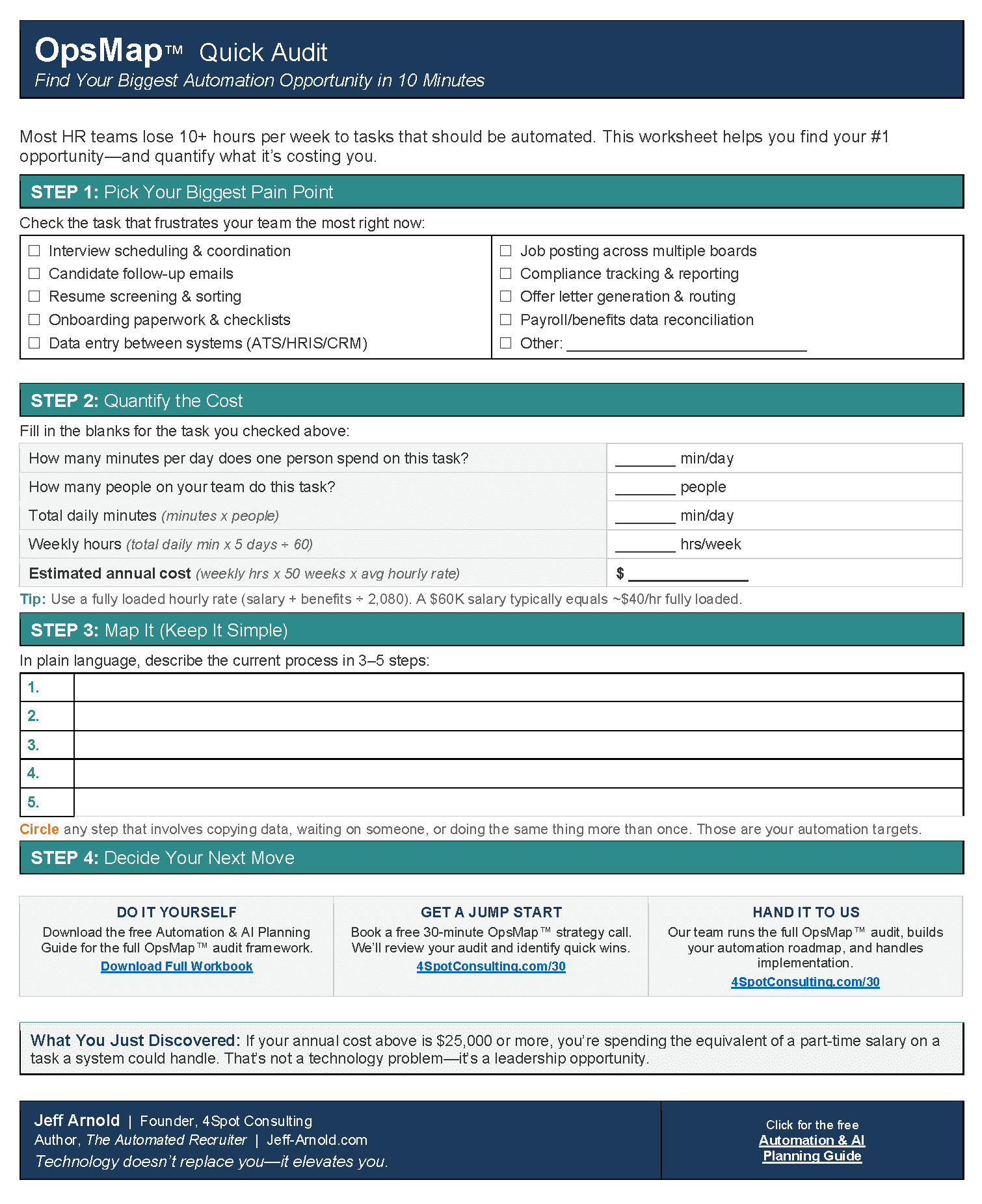
The integration of AI into HR and talent acquisition is not merely an optional upgrade; it’s a strategic imperative for any organization looking to thrive in the modern economy. From intelligently sourcing and screening candidates to personalizing the employee journey and mitigating bias, AI is empowering HR leaders to transform their departments from administrative centers into strategic growth drivers. These 11 trends highlight how AI can save invaluable time, eliminate costly human errors, and provide actionable insights that lead to better hires, stronger retention, and a more engaged workforce. By embracing these technologies, HR and recruiting professionals can shed low-value tasks and refocus their energy on what truly matters: building exceptional teams and fostering a thriving organizational culture. The future of HR is intelligent, automated, and strategically focused, and the time to act is now. Are you ready to explore how AI and automation can revolutionize your HR operations and save you 25% of your day? Book your OpsMap™ call today.
If you would like to read more, we recommend this article: The Comprehensive Guide to AI-Powered HR Automation


RELATED POST