Unmasking the True Cost of Manual Processes: How Automation Recovers Lost Productivity and Profit
In the relentless pursuit of growth and efficiency, many high-growth B2B companies are unknowingly grappling with an insidious drain on their resources: manual processes. While seemingly innocuous, the cumulative effect of manual data entry, reconciliation, and repetitive tasks can silently erode profits, stifle scalability, and even impact employee morale. At 4Spot Consulting, we understand that true optimization begins with identifying these hidden costs and strategically deploying automation to transform operational bottlenecks into pathways for innovation and growth.
The Invisible Drain: Identifying Hidden Costs
Consider the daily routines within your organization. How much time do your high-value employees, those whose expertise commands significant salaries, spend on low-value work? This often includes tasks like transferring data between systems, correcting human errors, chasing approvals, or formatting documents by hand. These aren’t just minor inconveniences; they represent a substantial, recurring expense that rarely appears as a line item on a balance sheet.
Each minute spent on manual reconciliation of CRM data, the painstaking process of onboarding new hires without an automated workflow, or the tedious generation of custom reports from disparate sources, is a minute lost. Lost not just to the task itself, but also to strategic thinking, client engagement, and revenue-generating activities. This “time tax” directly impacts your bottom line, manifesting as delayed projects, missed opportunities, and an overall deceleration in operational velocity.
Beyond the Obvious: Impact on Scalability and Morale
The ramifications extend far beyond just lost time. Manual processes inherently limit scalability. When growth requires a proportional increase in manual labor, your business model becomes unsustainable. You hire more people not to innovate, but to manage the growing volume of repetitive tasks, creating an organizational drag that pulls focus away from core competencies and strategic expansion.
Furthermore, the human cost is substantial. Employees who are constantly bogged down by repetitive, unfulfilling work often experience burnout, frustration, and disengagement. This can lead to increased turnover among your most valuable talent, incurring significant recruitment and training costs. A workforce trapped in the tactical, rather than empowered for the strategic, is a workforce operating below its potential, impacting everything from customer service to product development.
The 4Spot Consulting Approach: Strategic Automation
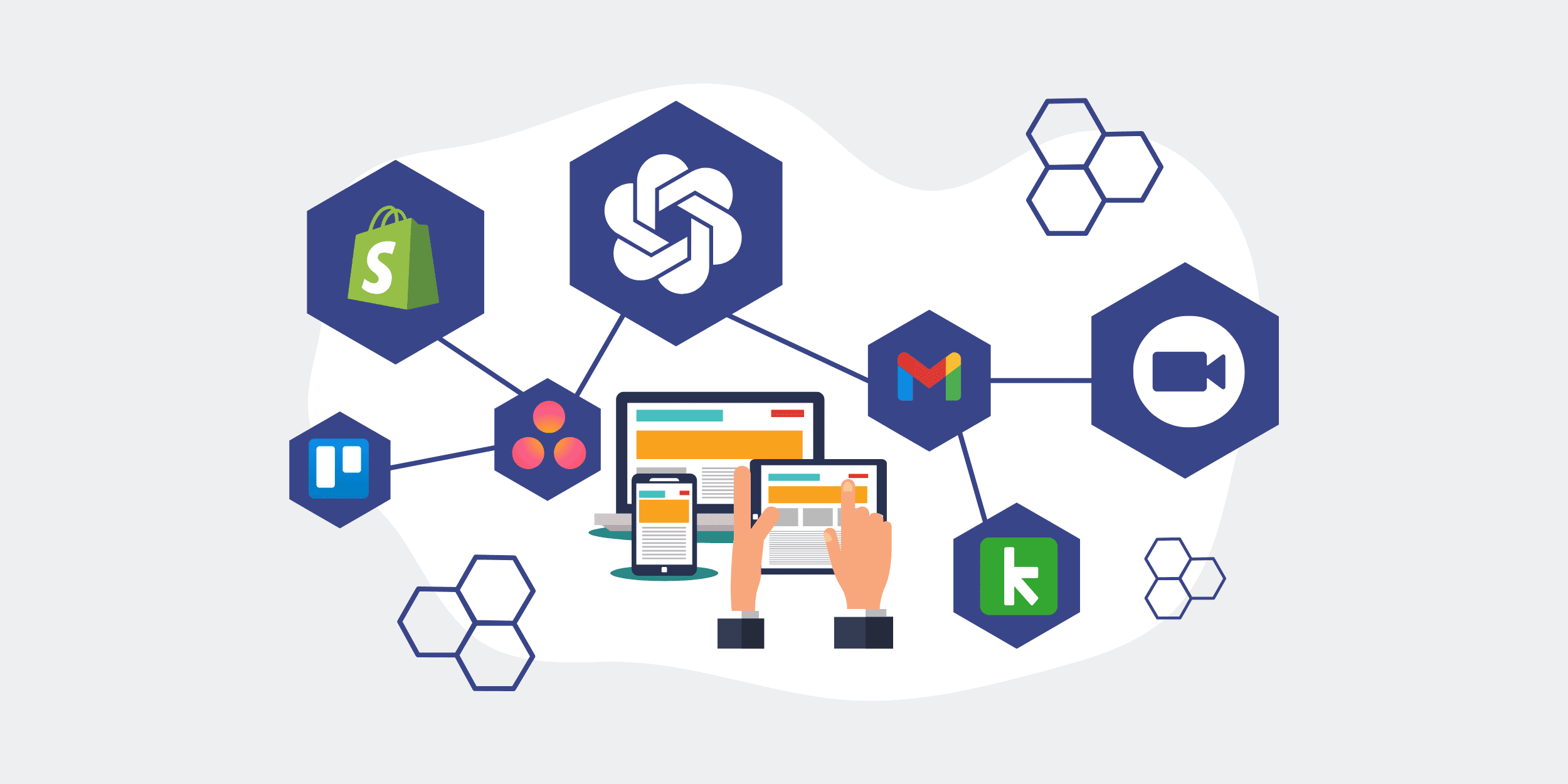
At 4Spot Consulting, we don’t just implement technology; we orchestrate transformation. Our OpsMesh framework is a strategic blueprint designed to interconnect your disparate systems and processes, creating a cohesive, automated operational ecosystem. Our journey with clients typically begins with an OpsMap™ diagnostic—a deep dive into your current workflows to pinpoint critical inefficiencies and quantify the potential for automation-driven savings.
We approach automation not as a “tech for tech’s sake” endeavor, but as a direct path to tangible business outcomes: reducing human error, lowering operational costs, and increasing scalability. We speak directly to business leaders who value time and outcomes, offering practical, ROI-focused insights that deliver measurable results.
Eliminating Error, Enhancing Efficiency
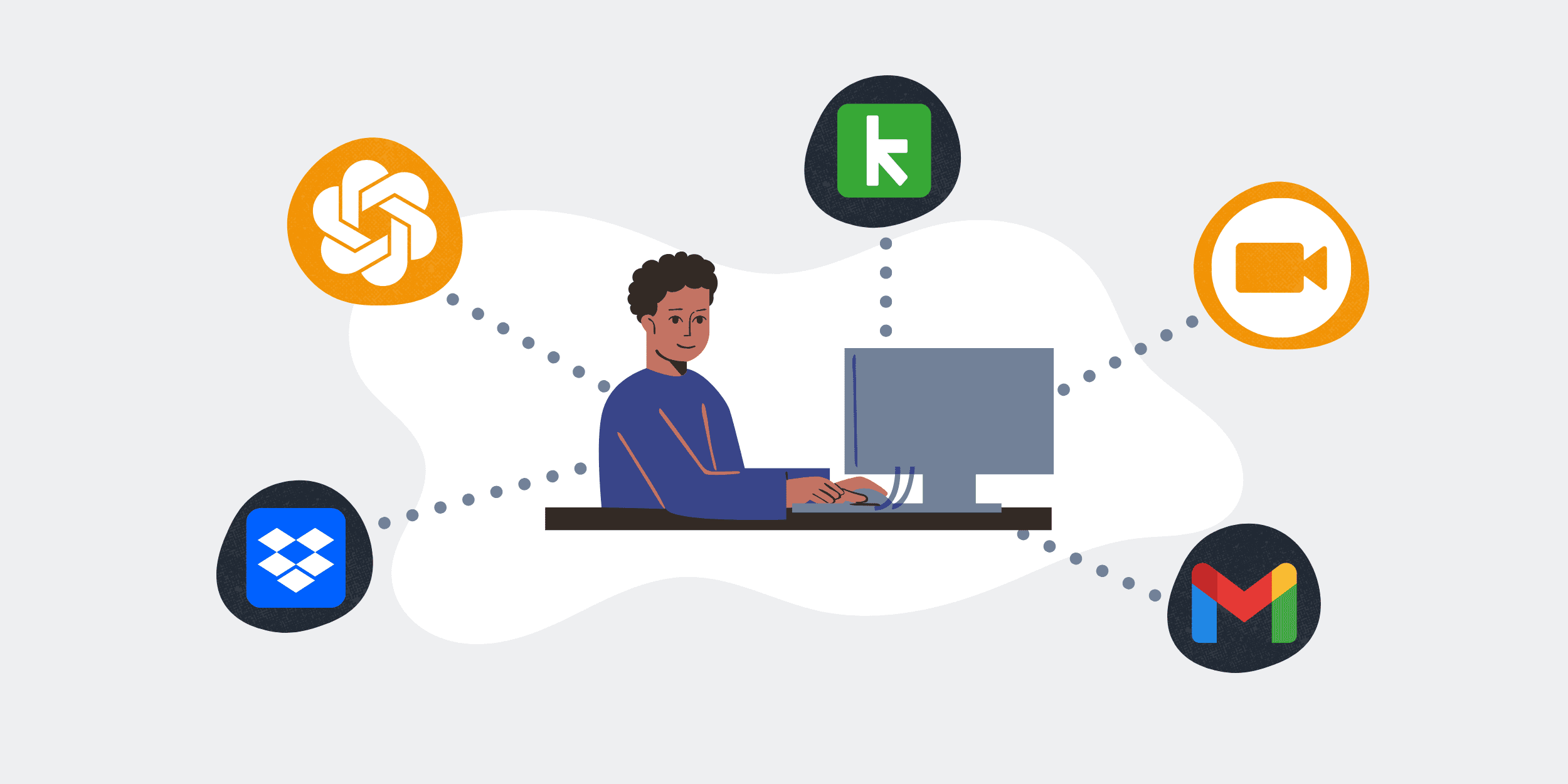
Our expertise lies in connecting dozens of SaaS systems using powerful low-code platforms like Make.com, often augmented with AI capabilities. Consider the complexities of HR and Recruiting automation: from intelligent resume parsing and applicant tracking to automated interview scheduling and offer letter generation. Or CRM & Data Backup, ensuring your Keap or HighLevel data is clean, consistent, and always available, creating a true “single source of truth.”
By automating these critical functions, we eliminate the potential for human error, free up invaluable employee time, and create robust, self-sustaining workflows. This allows your team to focus on what they do best: building relationships, strategizing, and driving the business forward, rather than manually shunting data from one spreadsheet to another.
Real-World Impact: A Case in Point
The impact of strategic automation is not theoretical; it’s proven. We recently partnered with an HR tech client facing overwhelming manual resume intake and parsing processes. Their high-value recruiting team was spending countless hours simply getting applicant data into their CRM.
Through our OpsBuild framework, we implemented an intelligent automation solution using Make.com and AI enrichment to automatically process resumes, extract key information, and seamlessly sync it into their Keap CRM. The result? The client saved over 150 hours per month, a direct recapture of productivity that translated into significant cost savings and faster time-to-hire. As their leadership attested, “We went from drowning in manual work to having a system that just works.” This is the kind of outcome we deliver—operational liberation that fuels growth.
Reclaiming Your Day: The Path Forward
The true cost of manual processes extends beyond mere numbers; it impacts your potential. By embracing strategic automation, businesses can recover lost productivity, eliminate human error, boost employee morale, and unlock new levels of scalability. This isn’t just about saving time; it’s about fundamentally reshaping how your business operates, making it more agile, resilient, and profitable.
Ready to uncover automation opportunities that could save you 25% of your day? Our automation playbook starts with the OpsMap™—a strategic audit to uncover inefficiencies, surface opportunities, and roadmap profitable automations. Book your OpsMap™ call today and start reclaiming your day.
If you would like to read more, we recommend this article: The Future of Business Automation: Unlocking Efficiency and Growth