A Glossary of Key Terms in Webhook Automation for HR & Recruiting
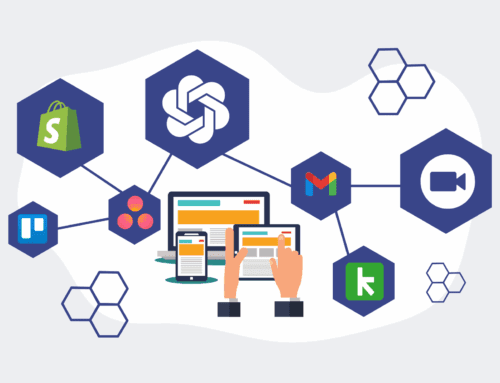
In the fast-evolving landscape of HR and recruiting, leveraging automation is no longer a luxury but a necessity for efficiency, accuracy, and competitive advantage. Webhook automation stands at the forefront of this transformation, enabling real-time data flow and seamless integration between disparate systems. This glossary defines approximately 15 key terms vital for HR and recruiting professionals looking to harness the power of webhooks to streamline operations, reduce manual effort, and elevate the candidate experience.
Webhook
A webhook is an automated message sent from an app when a specific event occurs, essentially an “alert” that one system sends to another. Unlike traditional APIs where you have to constantly “ask” for updates (polling), a webhook “pushes” information to you in real-time. In HR, this means immediate notifications for new applicant submissions, status changes in an ATS, or completed background checks. For example, a webhook could instantly trigger an automation to send a customized email to a candidate the moment their application is received, dramatically speeding up candidate engagement and reducing manual follow-up.
API (Application Programming Interface)
An API acts as a software intermediary that allows two applications to talk to each other. Think of it as a menu in a restaurant: it lists what you can order (requests) and describes what each item will do (responses), but doesn’t show you how the kitchen prepares it. Webhooks are a specific type of API integration, enabling event-driven communication. For HR professionals, understanding APIs means recognizing how different HR tech tools—like your ATS, HRIS, or payroll system—can exchange data to create a unified, automated ecosystem, eliminating data silos and manual entry.
Payload
In the context of webhooks, the “payload” is the actual data or information that is sent from one application to another. When an event triggers a webhook, the payload contains all the relevant details about that event, typically formatted as JSON. For example, if a new candidate applies through your career page, the webhook’s payload might include the candidate’s name, email, resume link, the job they applied for, and the timestamp. HR teams leverage automation platforms to parse and extract specific information from these payloads, allowing for dynamic actions like updating candidate records in a CRM or triggering assessment invitations.
Endpoint
An endpoint is a specific URL where a webhook sends its data. It’s the “listening post” for incoming information. When you set up a webhook in an application (like your ATS), you’ll configure it to send data to a unique endpoint URL provided by your automation platform (e.g., Make.com). This endpoint acts as the receiving address for all the event-driven data. For HR operations, ensuring your endpoints are correctly configured and secured is vital for reliable data flow, preventing missed candidate applications or delays in critical HR processes that rely on real-time data.
HTTP Request/Response
HTTP (Hypertext Transfer Protocol) is the foundation of data communication for the web. When a webhook sends a payload, it makes an HTTP “request” to a specified endpoint. The receiving system then processes this data and sends back an HTTP “response,” indicating whether the request was successful or if there was an error. Common HTTP methods include GET (retrieve data) and POST (send data, often used by webhooks). In automation, understanding request/response cycles helps troubleshoot integrations; a successful response confirms data was received, while an error code can pinpoint issues with data formatting or endpoint availability, crucial for maintaining seamless HR workflows.
JSON (JavaScript Object Notation)
JSON is a lightweight, human-readable data interchange format commonly used for sending data between a server and web application, and it’s the standard format for webhook payloads. It organizes data into key-value pairs (like a dictionary) and arrays, making it easy for machines to parse and generate. For HR and recruiting professionals, while you don’t need to be a programmer, recognizing the structure of JSON helps in understanding how data from an ATS, CRM, or assessment tool is organized when passed via webhooks. This understanding is key when setting up automation rules to extract specific candidate details or job information from incoming data.
Automation Platform (e.g., Make.com)
An automation platform like Make.com (formerly Integromat) or Zapier is a low-code/no-code tool that allows users to connect various web applications and automate workflows without extensive programming knowledge. These platforms act as the central hub for receiving webhook data, transforming it, and sending it to other systems. For HR and recruiting, these platforms are game-changers, enabling teams to build complex automations—such as automatically moving candidates between stages, generating personalized onboarding documents, or syncing data across disparate HR systems—all triggered by real-time webhook events, saving significant time and reducing manual errors.
Event-Driven Architecture
Event-driven architecture is a software design pattern where components communicate by reacting to “events” that occur. Webhooks are a prime example of this. Instead of systems constantly checking for updates, they simply wait for an event (like a new applicant or a resume update) to “fire” a message. This makes systems more responsive, scalable, and efficient. In HR, adopting an event-driven approach means your recruiting processes can be far more dynamic. A new candidate submission event can instantly trigger a series of automated actions—from sending an acknowledgment email to scheduling an initial screening—optimizing the candidate experience and recruiter efficiency.
Integration
Integration refers to the process of connecting different software applications or systems so they can work together and share data seamlessly. In the context of HR and recruiting, robust integrations are essential for creating a unified tech stack that eliminates silos between your ATS, CRM, HRIS, payroll, and assessment tools. Webhooks play a crucial role in modern integrations by providing real-time data exchange, ensuring that information is consistent and up-to-date across all platforms. This reduces manual data entry, prevents errors, and provides a holistic view of candidates and employees, empowering HR teams with accurate, timely insights.
Polling
Polling is a method of retrieving data where a system repeatedly makes requests to another system at regular intervals to check for updates or new information. It’s the opposite of webhooks, which are event-driven. For instance, an application might “poll” an ATS every five minutes to see if new applications have been submitted. While polling is simpler to implement in some cases, it’s less efficient as it consumes resources even when no new data is available and introduces latency in data transfer. In HR automation, webhooks are generally preferred over polling for real-time applications like candidate notifications or instant data synchronization, offering superior efficiency and responsiveness.
Workflow Automation
Workflow automation involves using technology to automate a series of tasks, rules, and processes that typically require manual human intervention. It streamlines operations by defining sequences of actions that are automatically triggered when certain conditions are met. In HR and recruiting, workflow automation, often powered by webhooks, transforms repetitive tasks such as resume screening, interview scheduling, offer letter generation, and onboarding document distribution. This frees up HR professionals to focus on strategic initiatives and high-value interactions, significantly increasing operational efficiency, reducing errors, and enhancing both candidate and employee experiences.
Data Parsing
Data parsing is the process of extracting specific pieces of information from a larger block of data, typically from structured formats like JSON or XML. When an application receives a webhook payload, the raw data needs to be “parsed” to identify and isolate the relevant fields—such as a candidate’s email, phone number, or job ID. Automation platforms provide tools to easily parse incoming webhook data. For HR and recruiting, effective data parsing is critical for ensuring that the correct information is extracted from various sources (e.g., job boards, application forms) and accurately mapped to the appropriate fields in your ATS, CRM, or other HR systems, driving subsequent automated actions.
CRM Integration
CRM (Customer Relationship Management) integration, in the HR context, refers to connecting your candidate relationship management system (often a general CRM adapted for recruiting, or a dedicated Talent CRM) with other HR tech tools like your ATS, website forms, or communication platforms. Webhooks are instrumental in achieving real-time CRM integration. For example, a webhook can instantly update a candidate’s profile in your CRM when their status changes in the ATS, or when they interact with a recruiting email. This ensures recruiters have the most current information, enabling personalized communication and more effective candidate nurturing throughout the talent acquisition funnel.
Applicant Tracking System (ATS)
An ATS is a software application designed to manage the recruitment and hiring process, tracking candidates from application through to hire. Modern ATS platforms are increasingly offering webhook capabilities, allowing them to send real-time notifications about events like new applications, candidate stage changes, or rejection statuses. For HR automation, leveraging ATS webhooks is incredibly powerful: it can trigger automations to send assessment links, update candidate records in a CRM, initiate background checks, or even generate offer letters—all instantly and without manual intervention. This dramatically speeds up time-to-hire and enhances the overall candidate experience.
Real-time Data Sync
Real-time data synchronization refers to the immediate, continuous updating of data across multiple systems as changes occur. This is one of the most significant benefits webhooks bring to HR and recruiting. Instead of waiting for batch updates or manual data transfers, webhooks ensure that as soon as an event happens in one system (e.g., a candidate completes an interview), that information is instantaneously reflected in all connected systems (e.g., ATS, CRM, calendar). This eliminates discrepancies, ensures everyone is working with the most current information, and empowers HR teams to make faster, more informed decisions, drastically improving operational efficiency and data integrity.
If you would like to read more, we recommend this article: The HR Leader’s Guide to Seamless Automation