Beyond Busywork: How AI and Automation Are Liberating High-Value Employees
In today’s fast-paced business environment, the true value of your most skilled employees often gets diluted by an overwhelming tide of repetitive, manual tasks. These aren’t just minor distractions; they’re significant bottlenecks that stifle innovation, reduce job satisfaction, and ultimately impact your bottom line. High-value individuals – your strategic thinkers, innovators, and client relationship builders – frequently find themselves bogged down in data entry, scheduling, document generation, and other administrative minutiae. The irony is stark: you hire them for their unique expertise, only to see a substantial portion of their day consumed by work that could, and should, be automated.
This challenge is particularly acute in sectors like HR, recruiting, legal, and general business services, where a constant flow of information, approvals, and compliance requirements can quickly overwhelm even the most efficient teams. The opportunity cost of this manual labor is immense. Every hour spent on a low-value task is an hour not dedicated to strategic growth, problem-solving, or client engagement. It leads to burnout, decreased productivity, and a perpetual struggle to scale operations without proportionally scaling headcount and costs.
The Hidden Drain: How Manual Processes Impact Your Enterprise
The impact of this pervasive busywork extends far beyond individual productivity. Consider the ripple effects across an organization. Manual data handling, for instance, is a notorious breeding ground for errors, leading to downstream complications, compliance risks, and a lack of reliable data for critical decision-making. In recruiting, the manual sifting of resumes or scheduling of interviews can dramatically slow down time-to-hire, causing top talent to be snapped up by competitors. For legal firms, document generation and case management complexities can eat into billable hours and client satisfaction.
Moreover, the inability to centralize information into a “single source of truth” creates information silos. Teams operate with fragmented data, leading to inconsistencies, redundant efforts, and a lack of holistic visibility into business operations. This operational fragmentation not only hinders efficiency but also makes it incredibly difficult to adapt quickly to market changes or identify areas for strategic improvement. High-growth B2B companies, especially those with $5M+ ARR, feel this friction acutely as they attempt to scale without the robust, automated infrastructure to support their expansion.
Embracing the AI and Automation Revolution for Strategic Advantage
The solution isn’t to work harder, but smarter, by strategically integrating AI and automation into your operational DNA. This isn’t about replacing human talent, but augmenting it, freeing up employees to focus on tasks that truly require human judgment, creativity, and empathy. Imagine a world where resume parsing, initial candidate screening, meeting scheduling, CRM updates, document population, and even proactive client communication are handled autonomously, accurately, and at lightning speed.
At 4Spot Consulting, we approach this transformation with a strategic-first mindset. Our OpsMesh framework doesn’t just bolt on technology; it integrates automation and AI into your existing systems, creating a seamless, interconnected operational ecosystem. We start with an OpsMap™ – a diagnostic deep dive that uncovers the exact inefficiencies costing your business time and money. This isn’t a generic assessment; it’s a tailored audit that maps your current state and blueprints a future where your operations are streamlined, error-free, and inherently scalable.
From Vision to Reality: Implementing Intelligent Systems
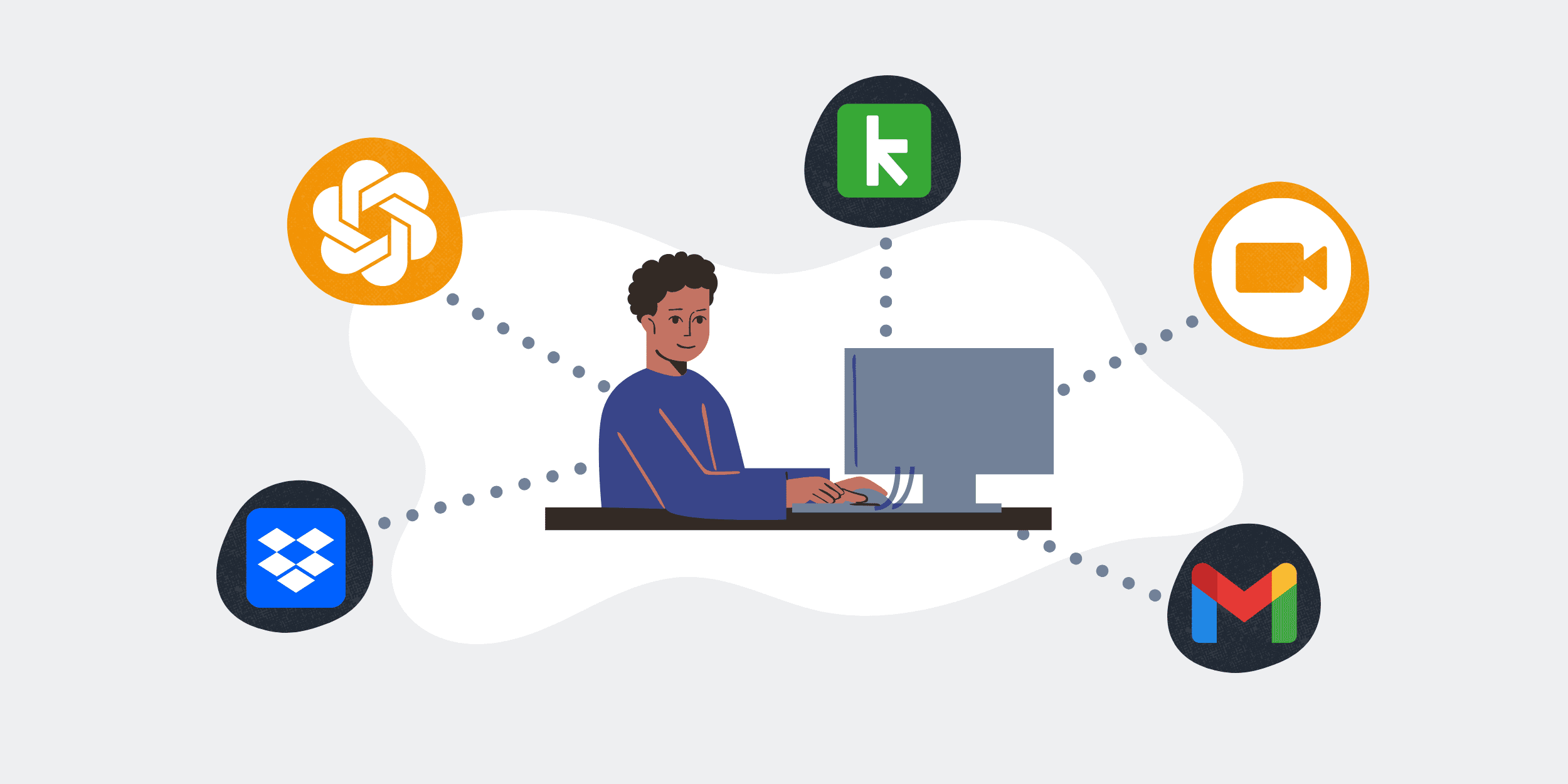
Once the OpsMap™ identifies the critical areas for improvement, our OpsBuild phase kicks in. This is where we leverage powerful low-code platforms like Make.com, integrate AI, and connect disparate systems such as Keap, PandaDoc, and Unipile. The goal is to eliminate human error, reduce operational costs, and build a resilient infrastructure that supports your growth. We’re experts at connecting dozens of SaaS systems, ensuring that your data flows freely and accurately across your enterprise, creating that much-needed single source of truth.
For example, we recently assisted an HR tech client facing an overwhelming volume of resume intake and manual parsing. By implementing an automated system using Make.com and AI enrichment, seamlessly syncing data to their Keap CRM, we helped them save over 150 hours per month. This allowed their team to shift from arduous data entry to focusing on candidate engagement and strategic placement, directly impacting their recruitment success. The result wasn’t just time saved, but a complete overhaul of their operational efficiency and capacity.
Beyond implementation, our OpsCare services ensure your new automated systems remain optimized, evolve with your business needs, and continue to deliver peak performance. This hands-on leadership and support mean you’re never left alone after implementation; we’re partners in your ongoing operational excellence.
The Future is Liberated: Empowering Your Workforce
Liberating high-value employees from busywork isn’t just an operational improvement; it’s a strategic imperative. It’s about empowering your team to perform at their highest potential, fostering an environment of innovation, and positioning your company for sustainable growth. By embracing AI and automation, you’re not just saving 25% of your day; you’re fundamentally transforming how your business operates, making it more agile, more intelligent, and infinitely more capable of navigating the complexities of the modern market.
Ready to uncover automation opportunities that could save you 25% of your day? Book your OpsMap™ call today. Our strategic audit will reveal the inefficiencies holding you back and roadmap the profitable automations that will propel your business forward.
If you would like to read more, we recommend this article: The Critical Role of Automation in Modern Business Strategy