Post: The AI Revolution in Candidate Sourcing: Beyond Traditional Job Boards
AI-Driven Candidate Sourcing: Beyond the Job Boards
In today’s fiercely competitive talent landscape, the traditional methods of candidate sourcing often fall short. Relying solely on job board postings and reactive applications means businesses are consistently missing out on top-tier talent that isn’t actively looking or is hidden within vast, unstructured data. HR leaders, COOs, and recruitment directors are acutely aware of the bottleneck this creates, impacting everything from time-to-hire to the overall quality of new recruits. The challenge isn’t just finding candidates; it’s finding the *right* candidates efficiently and proactively, before your competitors do.
The Evolving Landscape of Talent Acquisition
For decades, recruitment operated on a largely push-and-pull model: push out a job ad, pull in applications. While this still has its place, the digital age and the rise of remote work have fragmented talent pools and accelerated expectations. Candidates now expect personalized interactions, and companies demand precision in their hiring. The sheer volume of data available about potential candidates – across professional networks, social media, industry forums, and proprietary databases – represents both an immense opportunity and an overwhelming challenge for human recruiters. Without a strategic approach, this data becomes noise, not signal, further entrenching inefficiencies and increasing the cost of poor hires.
The Pitfalls of Manual and Reactive Sourcing
Many businesses find themselves caught in a cycle of manual, reactive sourcing. Recruiters spend countless hours sifting through resumes, performing repetitive keyword searches, and engaging in outreach that often yields low response rates. This isn’t just inefficient; it’s a drain on highly compensated professionals who should be focused on strategic talent engagement and relationship building. The result is delayed hires, increased operational costs, and the frustrating experience of losing promising candidates to faster-moving competitors. Furthermore, relying on inbound applications often leads to a less diverse talent pool, as inherent biases in traditional methods can inadvertently exclude qualified individuals who don’t fit a narrow, predefined mold.
The Opportunity Cost of Inefficiency
Consider the cumulative impact: every hour a recruiter spends on administrative tasks is an hour not spent building relationships with passive candidates. Every week a role remains unfilled represents lost productivity, delayed projects, and missed revenue opportunities. The “low-value work” of manual sourcing is a hidden cost center, preventing high-value employees from delivering their best. For businesses scaling rapidly, this problem only compounds, leading to operational friction that jeopardizes growth and profitability. The promise of AI isn’t just about doing things faster; it’s about doing the *right* things better, enabling a strategic shift in how talent is identified and engaged.
How AI Transforms Candidate Discovery and Engagement
AI isn’t merely an incremental improvement; it’s a paradigm shift in candidate sourcing. By leveraging machine learning, natural language processing (NLP), and advanced analytics, AI tools can intelligently scan vast datasets – public profiles, professional networks, academic papers, online portfolios – to identify candidates whose skills, experience, and even cultural fit align with specific job requirements. This goes far beyond simple keyword matching. AI can understand context, predict potential, and uncover “hidden gems” that might be overlooked by human eyes alone.
But the power of AI in sourcing extends beyond identification. It can automate initial outreach, personalize communication at scale, and even analyze candidate responses to gauge interest and suitability. This allows recruiters to focus their valuable time on candidates who are genuinely a strong fit and engaged, transforming their role from data sifter to strategic talent advisor. Imagine a system that proactively surfaces qualified individuals, enriches their profiles with relevant public data, and initiates warm, personalized contact, all while freeing your team from the mundane. This is the essence of AI-driven sourcing – not to replace human intuition, but to augment it with unparalleled analytical power and efficiency.
Implementing AI Sourcing with Strategic Partners
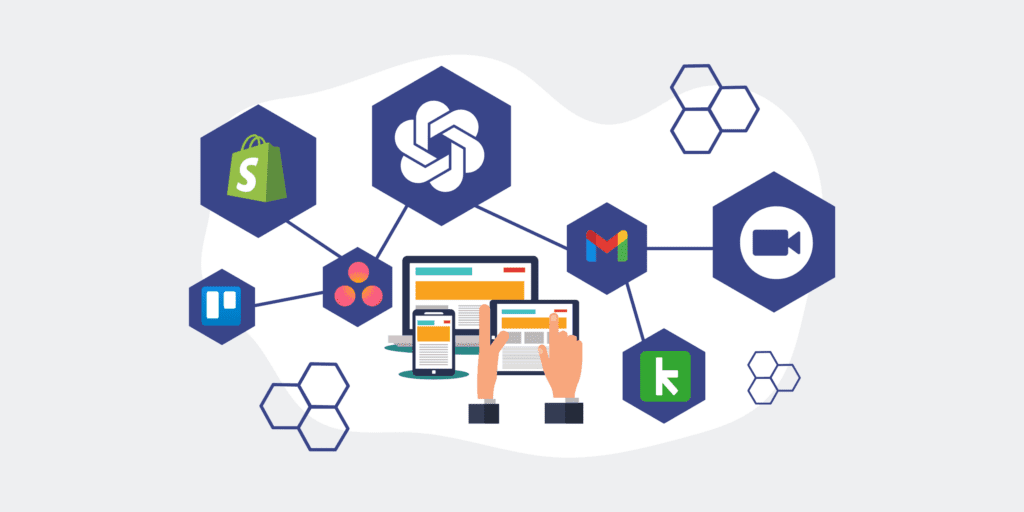
Integrating AI into your sourcing strategy doesn’t have to be a daunting task. The key lies in a strategic, rather than piecemeal, approach. At 4Spot Consulting, our OpsMesh framework guides businesses in weaving together disparate systems and AI capabilities into a cohesive, automated ecosystem. We begin with an OpsMap™—a strategic audit designed to pinpoint your specific sourcing bottlenecks, identify where AI can deliver the greatest ROI, and roadmap a tailored solution.
Our OpsBuild phase then brings this vision to life, leveraging tools like Make.com to connect AI-powered sourcing platforms with your existing CRM (like Keap or HighLevel) and HRIS. We ensure that candidate data flows seamlessly, reducing human error and creating a “single source of truth” for all talent intelligence. This isn’t just about adding a new tool; it’s about re-engineering your entire sourcing workflow to be proactive, precise, and highly personalized. We’ve seen firsthand how an HR tech client, using Make.com and AI enrichment, saved over 150 hours per month by automating their resume intake and parsing process, streamlining their entire talent pipeline.
By partnering with 4Spot Consulting, you’re not just implementing technology; you’re adopting a strategic approach that eliminates low-value work for your high-value employees, drives revenue growth through better hires, and builds a scalable recruitment infrastructure ready for the future. Our focus is always on outcomes: saving you 25% of your day by automating the inefficiencies that hinder your talent acquisition efforts.
If you would like to read more, we recommend this article: AI-Powered HR: Transforming Recruitment, Onboarding, and Employee Experience


RELATED POST