Reclaiming Time and Talent: How AI-Powered Automation is Reshaping HR Operations
In the relentless pursuit of growth, many B2B companies find their HR departments struggling under the weight of inefficiency. What should be a strategic powerhouse—attracting, nurturing, and retaining top talent—often devolves into a quagmire of manual data entry, endless paperwork, and repetitive communication. This isn’t just about minor inconveniences; it’s about a fundamental drain on resources, human capital, and ultimately, profitability. High-value employees, tasked with low-value work, become bottlenecks instead of accelerators. We’ve seen this countless times, and the solution isn’t more people, but smarter operations.
The core issue lies in outdated workflows that haven’t kept pace with technological advancements. HR professionals, who should be focused on culture, talent development, and strategic workforce planning, spend a disproportionate amount of their day on tasks that could easily be automated. Think about resume screening, interview scheduling, onboarding paperwork, benefits administration, and even routine candidate communication. Each of these, while necessary, consumes valuable time that could be dedicated to initiatives directly impacting employee satisfaction, retention, and the company’s competitive edge.
The Hidden Costs of Manual HR Processes
The financial impact of these inefficiencies is often underestimated. Beyond the obvious labor costs, there are significant hidden expenses: increased error rates due to manual data handling, compliance risks from inconsistent processes, slower hiring cycles that lead to lost talent, and diminished employee morale. When an HR leader is spending hours chasing down signatures or manually updating spreadsheets, they’re not engaging with future leaders, identifying skill gaps, or building the talent pipeline crucial for scalable growth. This isn’t just a productivity problem; it’s a strategic vulnerability.
For high-growth B2B companies generating $5M+ ARR, these operational friction points are magnified. Every hour spent on administrative drudgery by a highly paid HR Director is an hour not spent on strategic initiatives. This directly impacts your ability to scale, to innovate, and to maintain a competitive advantage in a tight labor market. The question is not if you can afford to automate, but if you can afford not to.
From Bottleneck to Business Driver: The Power of AI and Automation
This is where AI-powered automation transforms HR from a reactive cost center into a proactive, strategic business driver. Imagine a system where incoming resumes are automatically parsed, categorized, and scored against specific job requirements, saving hundreds of hours in screening. Picture interview scheduling that self-adjusts based on candidate and hiring manager availability, eliminating the back-and-forth email chains. Envision onboarding that guides new hires through paperwork, compliance modules, and initial training with minimal human intervention, ensuring a seamless and compliant start.
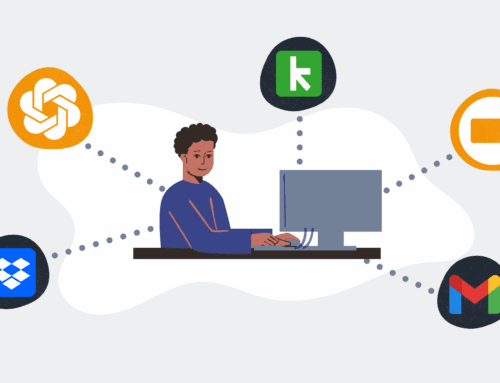
Our approach at 4Spot Consulting, through frameworks like OpsMesh and OpsBuild, focuses on integrating these intelligent systems. We leverage powerful tools like Make.com, Keap, and AI platforms to create a cohesive operational ecosystem. This isn’t about replacing people; it’s about empowering them. By automating the mundane, we free up HR teams to focus on the human element—building relationships, fostering culture, and developing the strategic talent that fuels business growth.
Real-World Impact: Unleashing HR Potential
We’ve seen firsthand the transformative power of this approach. In one instance, we partnered with an HR tech client grappling with an overwhelming volume of resume intake and parsing. Their team was spending countless hours sifting through applications, manually extracting data, and trying to sync it with their CRM. This manual process was slow, prone to errors, and bottlenecking their hiring efforts. Our solution involved implementing a custom automation using Make.com and AI enrichment tools. Incoming resumes were automatically processed, key data points extracted, and then seamlessly synced into their Keap CRM.
The result? Our client saved over 150 hours per month. That’s nearly an entire month of productivity reclaimed, allowing their HR professionals to shift from administrative tasks to high-value activities like candidate engagement and strategic talent sourcing. The quote from their team encapsulates it perfectly: “We went from drowning in manual work to having a system that just works.” This kind of outcome isn’t an anomaly; it’s the predictable result of a strategically planned and expertly implemented automation strategy.
The Future-Ready HR Department
By eliminating human error, reducing operational costs, and increasing scalability, AI and automation enable HR to become a true strategic partner. It allows leaders to make data-driven decisions, anticipate workforce needs, and proactively address challenges rather than constantly playing catch-up. This shift not only saves 25% of your day but also profoundly impacts your company’s ability to attract and retain the best talent, drive innovation, and sustain long-term growth.
It’s time to stop treating HR as just another overhead and start viewing it as a cornerstone of your operational efficiency and strategic advantage. The opportunity to automate, optimize, and elevate your HR operations is here. Don’t let manual processes hold your talent and your company back.
If you would like to read more, we recommend this article: The Strategic Imperative: Integrating AI and Automation in Modern HR