The Silent Saboteur: Unmasking the True Cost of Manual Processes in High-Growth Businesses
In the relentless pursuit of growth, many B2B companies, especially those scaling rapidly, inadvertently harbor a hidden drain on their resources: manual processes. It’s not just about the time wasted; it’s a systemic issue that impacts everything from employee morale and accuracy to scalability and profit margins. At 4Spot Consulting, we’ve seen countless organizations struggle under the weight of these invisible saboteurs, often unaware of their true economic and operational impact.
Imagine your high-value employees—the experts you hired for their strategic thinking and problem-solving skills—spending hours on repetitive data entry, cross-referencing spreadsheets, or chasing down approvals. This isn’t just inefficient; it’s a profound misallocation of talent that directly stunts innovation and growth. It’s akin to using a Formula 1 car for grocery runs when it’s built for the racetrack. The real cost isn’t just the hourly wage; it’s the lost opportunity, the delayed decisions, and the eroded competitive edge.
Beyond the Obvious: Unpacking the Hidden Costs
The immediate costs of manual processes are often visible in payroll hours dedicated to low-value work. However, the true expense runs far deeper. We categorize these into several critical areas:
The Productivity Paradox: Stagnation in Motion
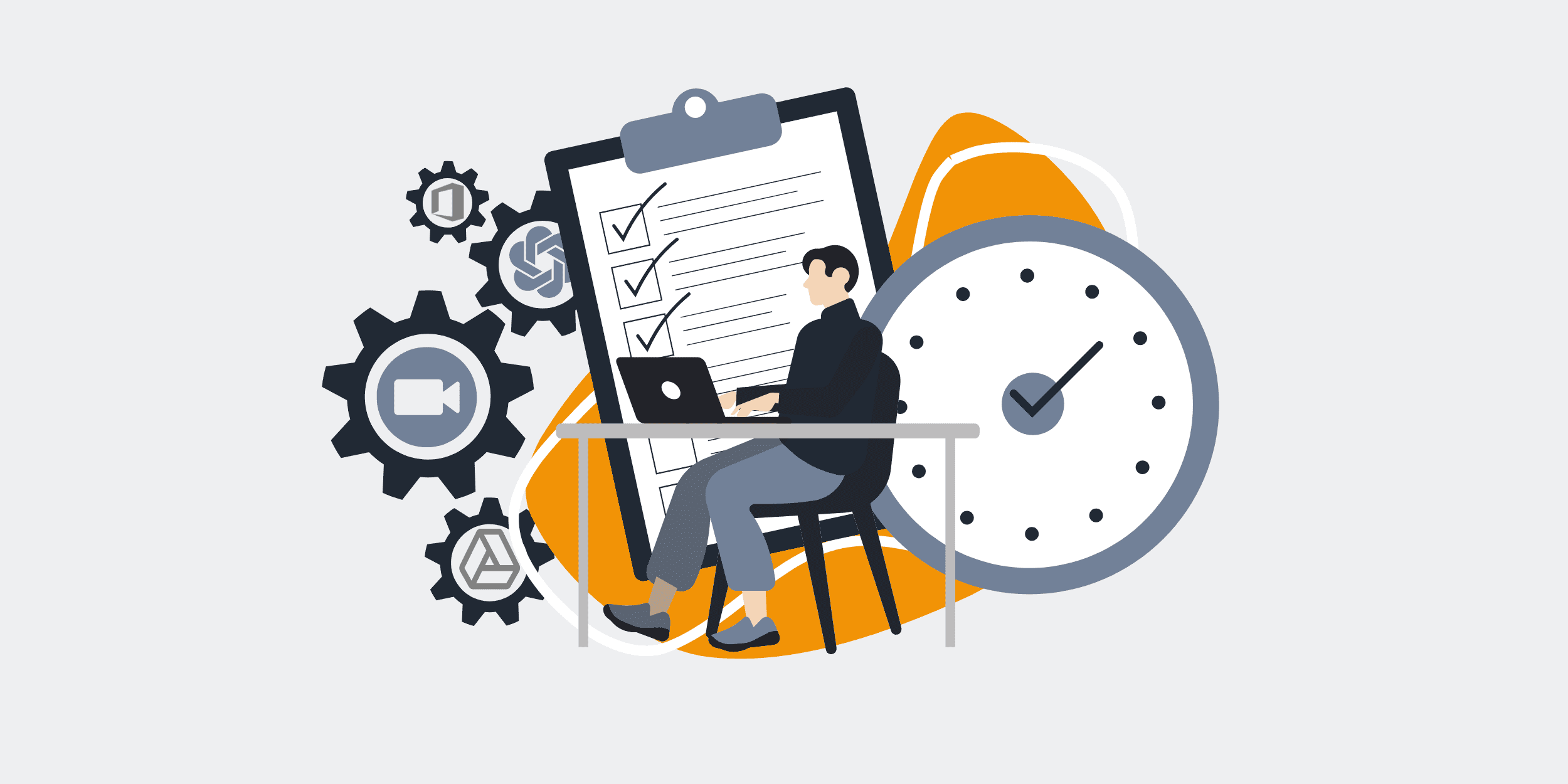
Manual tasks, by their nature, are bottlenecks. They slow down every subsequent step in a workflow. For instance, in recruiting, manually screening resumes, scheduling interviews, or sending follow-up emails can delay critical hires, leaving positions vacant longer and directly impacting revenue generation. Our OpsMap™ diagnostic often uncovers that employees spend up to 25% of their day on tasks that could be automated, effectively costing businesses a quarter of their workforce’s productivity.
Error Amplification: The Domino Effect of Human Fallibility
Humans are prone to error, especially when performing monotonous, repetitive tasks. A single misplaced digit in a CRM entry, an incorrect email address, or a missed deadline in a project can have cascading effects. In business services or legal firms, such errors can lead to compliance issues, client dissatisfaction, or even significant financial penalties. Automation, by contrast, executes tasks with consistent precision, eliminating human error from the equation and creating a more reliable “single source of truth” for your data.
Scalability Barriers: The Invisible Ceiling
As a company grows, manual processes don’t scale; they simply multiply. Adding more staff to handle an increasing volume of manual work is not a sustainable growth strategy. It inflates operational costs, complicates management, and introduces more points of failure. True scalability comes from systems that can handle increased demand without a proportional increase in human effort. This is where AI-powered operations and strategic automation come into their own, allowing businesses to expand their reach and output without breaking their operational budget.
Talent Erosion: The High Cost of Disengagement
High-value employees seek engaging, challenging work. When their days are filled with manual drudgery, job satisfaction plummets, leading to disengagement and, eventually, attrition. Replacing talent is an incredibly expensive endeavor, encompassing recruitment costs, onboarding, and lost productivity during the transition. By automating the mundane, businesses can free up their teams to focus on strategic initiatives, client relations, and innovation, fostering a more engaged and motivated workforce.
The 4Spot Consulting Solution: From Problem to Profit
Understanding these costs is the first step; addressing them effectively is where strategic automation shines. At 4Spot Consulting, we don’t just implement technology; we architect solutions that fundamentally transform how your business operates. Our OpsMesh framework ensures a holistic approach, connecting disparate systems and processes into a cohesive, automated ecosystem.
Take, for example, our work with an HR tech client. They were drowning in manual resume intake and parsing, a classic example of low-value work consuming high-value time. Through our OpsBuild process, we integrated Make.com with AI enrichment and their Keap CRM. The result? They saved over 150 hours per month, enabling their team to focus on candidate engagement and client success rather than data entry. This isn’t an isolated incident; we consistently help companies achieve production increases of 240% and realize over $1M in annual cost savings by eliminating these hidden drains.
Our methodology begins with the OpsMap™, a strategic audit designed to pinpoint inefficiencies and surface automation opportunities tailored to your specific business needs. We then move to OpsBuild, implementing robust, low-code automation and AI systems that integrate seamlessly with your existing tools, from Keap to PandaDoc. And with OpsCare, we ensure ongoing support and optimization, guaranteeing your automation infrastructure evolves with your business.
The goal is simple yet profound: to give you back 25% of your day, not by working harder, but by working smarter. By tackling the silent saboteurs of manual processes, you don’t just save money; you unlock your team’s potential, accelerate growth, and build a truly scalable, resilient organization.
Ready to uncover automation opportunities that could save you 25% of your day? Book your OpsMap™ call today.
If you would like to read more, we recommend this article: The Automated Recruiter: Beyond the Book – Real-World Impact