Unifying Disparate Data Silos with Intelligent Automation: A Path to Operational Clarity
In today’s hyper-connected business landscape, information is power. Yet, for many high-growth B2B companies, this power is fragmented, locked away in disparate systems, spreadsheets, and departmental fiefdoms. Data silos – isolated pockets of information that don’t communicate with each other – are a silent killer of efficiency, innovation, and ultimately, profitability. They breed human error, inflate operational costs, and choke scalability, leaving business leaders frustrated and teams struggling to gain a holistic view of their operations. At 4Spot Consulting, we understand this challenge intimately, and we see intelligent automation not just as a tool, but as the strategic bridge to operational clarity and unified data flow.
The Hidden Costs of Disconnected Information
Consider the typical journey of a client or project through an organization. It often touches marketing automation (like Keap), CRM, project management software, HR systems, accounting platforms, and various communication tools. Each system, while powerful in its own right, often operates independently. This necessitates manual data entry, duplicative efforts, and constant cross-referencing—all fertile ground for errors and delays. The consequences are far-reaching:
- Wasted Time and Resources: High-value employees are bogged down with low-value, repetitive tasks, diverting their expertise from strategic initiatives.
- Inaccurate Reporting: Without a single source of truth, reports from different departments can contradict each other, leading to poor decision-making and missed opportunities.
- Poor Customer Experience: When customer data isn’t seamlessly shared, interactions become disjointed, leading to frustration and reduced loyalty.
- Compliance Risks: In regulated industries, fragmented data increases the risk of non-compliance and makes auditing a nightmare.
- Stifled Scalability: As a company grows, manual processes break under the weight of increased volume, hindering expansion and market penetration.
These aren’t just minor inconveniences; they represent significant operational drag that can directly impact a company’s bottom line and its ability to compete effectively in the market.
Beyond Integration: Crafting a Single Source of Truth with Automation
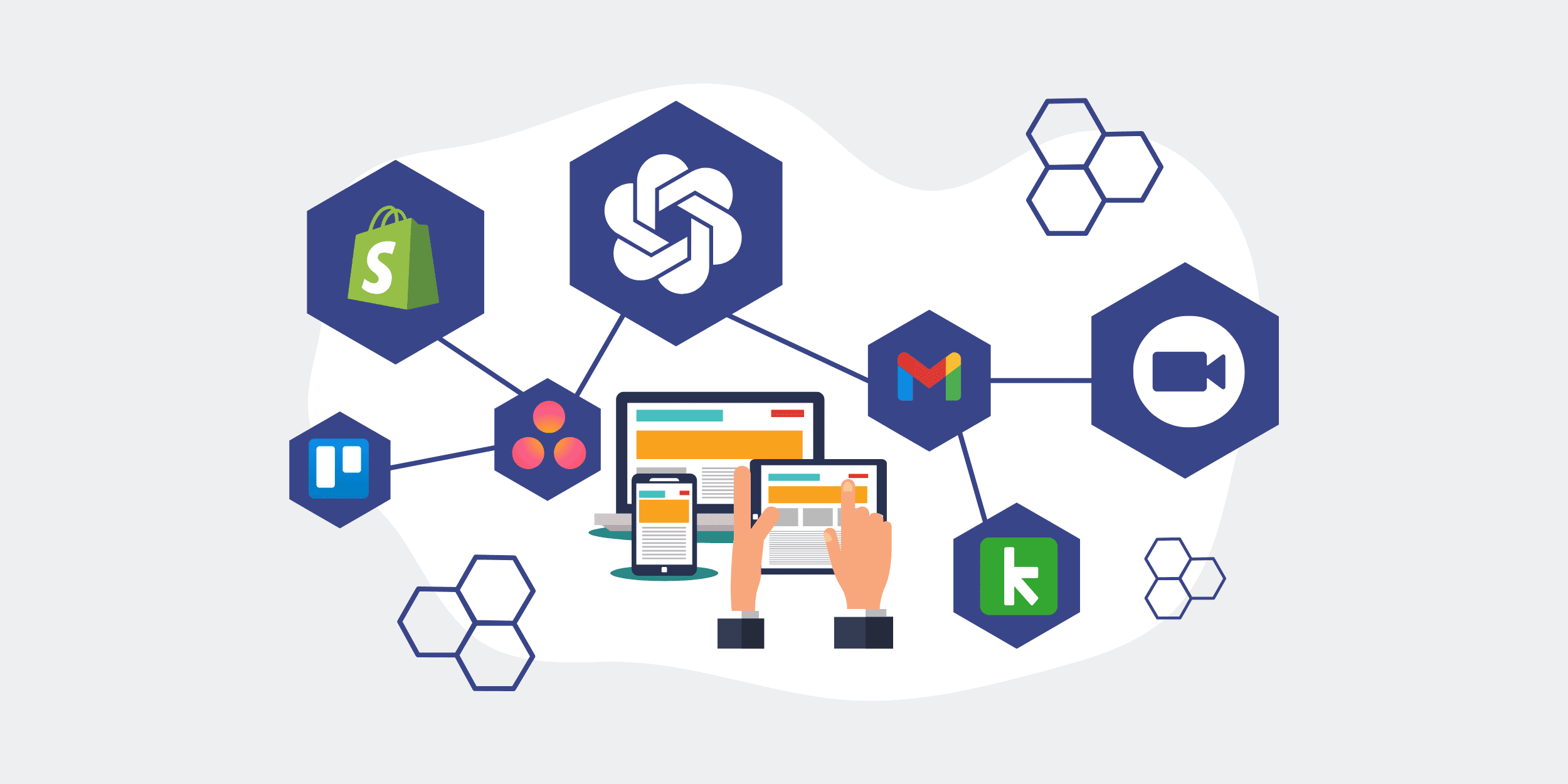
Many businesses attempt to tackle data silos through point-to-point integrations or by adopting monolithic “all-in-one” systems that rarely deliver on their promises. Our approach at 4Spot Consulting is fundamentally different. We leverage advanced low-code automation platforms like Make.com to build intelligent bridges between your existing, best-of-breed software, creating a true single source of truth without requiring a complete overhaul of your tech stack. This isn’t just about connecting systems; it’s about orchestrating your data flow strategically.
Imagine a scenario where a new lead enters your CRM (like Keap). Instead of someone manually creating a record, assigning tasks, and initiating follow-ups, an automated workflow instantly updates relevant project management boards, triggers personalized email sequences, and even alerts the sales team with critical lead enrichment data from external sources. When a contract is signed in PandaDoc, the system automatically updates the client’s status in the CRM, notifies the onboarding team, and creates a new project folder in your document management system. This seamless flow eliminates manual touchpoints, reduces errors, and accelerates every step of your operational pipeline.
The OpsMesh™ Framework: Your Blueprint for Unified Operations
Our proprietary OpsMesh™ framework is designed to untangle complex data ecosystems. It starts with the OpsMap™, a strategic audit where we meticulously uncover existing inefficiencies and pinpoint where data silos are causing the most pain. We don’t just look at technology; we analyze your end-to-end business processes, understanding how information *should* flow to optimize outcomes.
Following the OpsMap™, our OpsBuild™ phase brings these solutions to life. We engineer robust automation and AI systems that not only connect disparate systems but also enrich data, automate decision-making, and create a unified operational view. This means your HR and recruiting data can speak directly to your sales data, which can inform your finance data, all without manual intervention. The result is a consistent, accurate, and real-time view of your business, empowering faster, more informed decisions.
Real-World Impact: From Fragmentation to Flow
We’ve seen firsthand how unifying data silos transforms businesses. For an HR tech client, we helped automate their resume intake and parsing process using Make.com and AI enrichment, syncing crucial candidate data directly into their Keap CRM. This eliminated over 150 hours per month of manual data entry, drastically reducing human error and freeing up recruiters to focus on strategic talent acquisition. The firm went from “drowning in manual work to having a system that just works,” a testament to the power of intelligent, interconnected automation.
The beauty of this approach is its adaptability. Whether it’s consolidating CRM data, automating the organization of critical documents, or establishing AI-powered operations that distill insights from scattered information, the goal remains the same: to create a cohesive, intelligent, and error-free operational environment. By eliminating the friction caused by data silos, high-growth B2B companies can save 25% of their day, reduce operational costs, and achieve unprecedented scalability.
Unifying your data is no longer a luxury; it’s a strategic imperative. If you’re ready to transform your scattered information into a powerful, cohesive asset, it’s time to explore how intelligent automation can bridge the gaps. Ready to uncover automation opportunities that could save you 25% of your day? Book your OpsMap™ call today.
If you would like to read more, we recommend this article: Unlocking Peak Performance: The Essential Role of Business Process Automation