Post: Manual Recruitment’s True Cost: Why Automation Is No Longer Optional
Unmasking the True Cost of Manual Recruitment: Why Automation Isn’t Just an Option, It’s an Imperative
For high-growth B2B companies, the pursuit of top talent is a constant, critical endeavor. Yet, many organizations are unknowingly hampered by an unseen drain on resources, a silent killer of productivity and profit: manual processes within their recruitment and HR functions. What seems like a necessary part of the hiring journey often masks significant inefficiencies that not only cost money but also compromise the quality of hires, impact candidate experience, and ultimately impede scalability. It’s time to confront these hidden costs head-on and understand why embracing automation isn’t merely a technological upgrade but a strategic imperative for modern businesses.
The Silent Productivity Killer: Manual Tasks in Talent Acquisition
Consider the typical recruitment workflow. It’s often a labyrinth of repetitive, time-consuming tasks: sifting through hundreds of resumes, manually extracting data, scheduling interviews, sending follow-up emails, updating applicant tracking systems (ATS), and onboarding new hires. Each of these steps, when performed manually, carries a weight that grows heavier with every new application and every open position.
Recruiters, who are highly skilled professionals, spend an inordinate amount of time on administrative chores rather than engaging with promising candidates or strategizing talent acquisition. This isn’t just inefficient; it’s a misallocation of valuable human capital. The consequences are tangible: increased time-to-hire, higher operational costs, and a constant battle against human error in data entry, which can lead to missed opportunities or compliance issues. The cycle is exhausting for internal teams and frustrating for candidates who often experience delays or inconsistencies.
Beyond the Obvious: Indirect Costs and Missed Opportunities
The true cost of manual recruitment extends far beyond direct labor hours. Slower hiring processes mean critical roles remain unfilled longer, directly impacting project timelines, sales targets, and overall business momentum. In competitive markets, a delayed response can mean losing a top-tier candidate to a more agile competitor. This isn’t just about a lost hire; it’s about the lost revenue and innovation that that individual could have brought to your organization.
Furthermore, the cumulative effect of manual work can lead to recruiter burnout, higher turnover within HR teams, and a perception of inefficiency that damages employer brand. When high-value employees are bogged down with low-value tasks, their morale suffers, and their strategic input is stifled. For businesses aiming for aggressive growth, these bottlenecks create an invisible ceiling, limiting their ability to scale operations without exponentially increasing headcount just to keep up with administrative burdens.
Embracing the Future: Automation and AI as Strategic Imperatives
The solution lies in strategically integrating automation and AI into the recruitment lifecycle. This isn’t about replacing human intuition but empowering it. Imagine a system where resumes are automatically parsed and key data extracted, saving countless hours. Picture interview scheduling that self-orchestrates based on availability, or automated communication workflows that ensure every candidate receives timely, personalized updates.
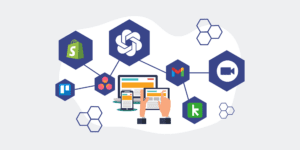
By leveraging platforms like Make.com to connect disparate HR systems and integrating intelligent AI tools for tasks such as initial candidate screening or sentiment analysis, companies can eliminate the drudgery of manual data entry, drastically reduce human error, and accelerate every stage of the hiring process. This frees up recruiters to focus on what they do best: building relationships, assessing cultural fit, and making strategic decisions that genuinely impact the business.
Reclaiming Time and Talent: The 4Spot Consulting Approach
At 4Spot Consulting, we’ve seen firsthand how a strategic-first approach to automation can revolutionize talent acquisition. Our framework isn’t just about implementing technology; it’s about understanding your specific operational inefficiencies and designing bespoke solutions that yield measurable ROI. We helped an HR tech client save over 150 hours per month by automating their resume intake and parsing process, then seamlessly syncing that data into their CRM. This wasn’t just about saving time; it was about transforming their capacity to engage with more candidates, reduce time-to-hire, and enhance the overall candidate experience.
The shift to automated recruitment isn’t a luxury; it’s a necessity for any B2B company serious about growth and efficiency. By re-engineering workflows to leverage intelligent systems, businesses can not only reduce operational costs and eliminate human error but also cultivate a more responsive, attractive, and scalable talent acquisition function. It’s about ensuring your high-value employees are focused on high-value work, creating a competitive edge that reverberates across the entire organization.
If you would like to read more, we recommend this article: Navigating the New Era of AI-Powered Recruitment: Strategies for Success



RELATED POST