Beyond the Hype: Strategically Integrating AI for Unparalleled Operational Efficiency in B2B
The promise of Artificial Intelligence often conjures images of futuristic robots and complex algorithms, but for the discerning B2B leader, the true value lies in its pragmatic application: achieving tangible operational efficiency and sustainable growth. At 4Spot Consulting, we observe a critical juncture where businesses, having embraced basic automation, now seek to leverage AI not as a standalone solution, but as an integrated layer within their existing frameworks to eliminate bottlenecks and unlock new levels of productivity.
Many organizations today are grappling with the limitations of manual processes, even those partially automated. Data entry errors, slow response times, and inconsistent customer experiences are not just annoyances; they are direct drains on revenue and employee morale. High-value employees are often bogged down by low-value, repetitive tasks, stifling innovation and growth. This isn’t just about saving time; it’s about optimizing the allocation of human capital and ensuring every minute spent contributes meaningfully to strategic objectives.
The Evolving Landscape: Why AI Integration is No Longer Optional
The market demands agility and precision. In B2B, where relationships are paramount and data volumes are immense, the ability to process, analyze, and act on information rapidly and accurately is a significant competitive differentiator. Traditional automation, while foundational, often reaches its limits when confronted with unstructured data, nuanced decision-making, or dynamic scenarios. This is where AI steps in, acting as an intelligent co-pilot, enhancing and extending the capabilities of existing automation.
Consider the realm of HR and recruiting. Manual resume parsing, candidate screening, and even initial outreach are time-consuming and prone to human bias. AI-powered systems can sift through thousands of applications with unprecedented speed, identify key skills, and even predict cultural fit based on linguistic analysis. This doesn’t replace the human touch; it liberates recruiters to focus on high-value interactions, ultimately leading to better hires faster. We’ve seen firsthand how an HR tech client saved over 150 hours per month by automating their resume intake and parsing process using Make.com and AI enrichment, syncing directly to Keap CRM. This transformation wasn’t about replacing people; it was about empowering them.
From Vision to Execution: Our OpsMesh™ Approach to AI Integration
Integrating AI effectively requires a strategic framework. Our OpsMesh™ approach is designed to ensure AI isn’t simply bolted onto existing systems but is thoughtfully woven into the fabric of your operations. It begins with our OpsMap™ diagnostic—a meticulous audit to uncover the precise inefficiencies and automation opportunities within your unique business processes. We don’t guess; we map. This phase is crucial for identifying where AI can yield the greatest ROI, whether it’s in intelligent document processing, predictive analytics for sales forecasting, or sophisticated customer service automation.
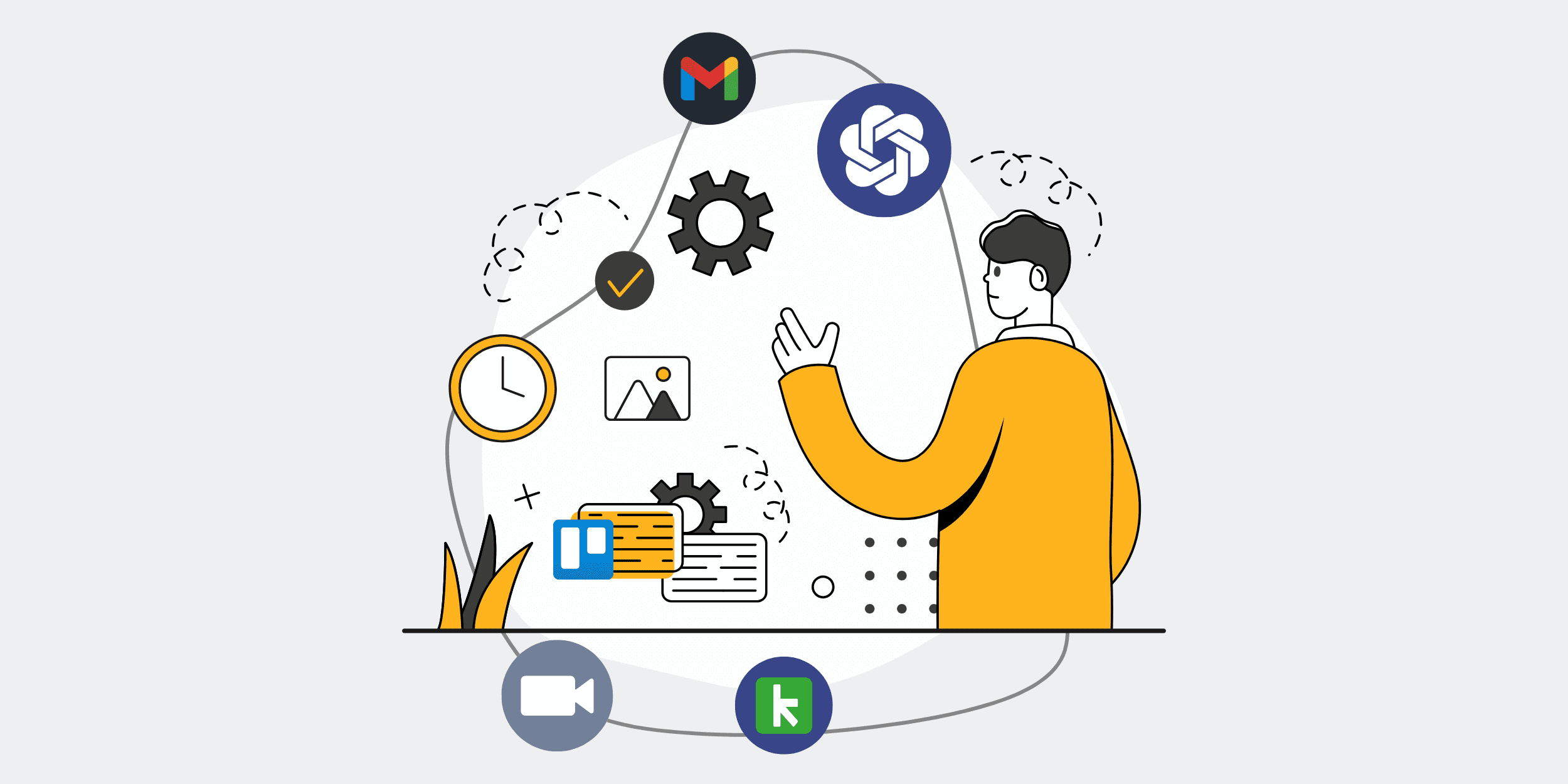
Once opportunities are identified, our OpsBuild™ phase brings these strategies to life. We specialize in connecting disparate SaaS systems (like Keap, PandaDoc, Unipile) using low-code platforms like Make.com, then layering in AI capabilities. This might involve using AI for natural language processing to categorize customer inquiries, sentiment analysis to gauge feedback, or advanced data extraction to populate CRM fields accurately and instantly. The goal is always to create a single source of truth, reducing human error and ensuring data integrity across your enterprise. This meticulous integration is what prevents the fragmented “tech for tech’s sake” approach and ensures every solution is tied directly to measurable business outcomes.
The Tangible Benefits: What Strategic AI Integration Delivers
The results of strategically integrating AI are profound and far-reaching. Businesses experience a significant reduction in operational costs, often freeing up resources equivalent to 25% of an employee’s day. Error rates plummet as AI handles repetitive data tasks with unwavering accuracy. Scalability becomes an inherent feature, not a future goal, as systems are designed to handle increasing volumes of data and transactions without proportionate increases in human overhead. For B2B companies generating $5M+ ARR, this translates directly into enhanced profitability and a more robust competitive stance.
Beyond the numbers, there’s the invaluable benefit of empowering your high-value employees. When AI takes over the mundane, your team can focus on innovation, strategic planning, and building stronger client relationships. This shift not only improves job satisfaction but also fosters a culture of forward-thinking and continuous improvement. We pride ourselves on a hands-on leadership and support model; you’re not just handed a system and left to figure it out. We ensure your team is equipped to leverage these new capabilities, continually optimizing and iterating for peak performance.
Preparing for the Future: A Proactive Approach
The companies that will thrive in the coming decade are those that proactively integrate intelligent automation into their core operations. It’s not about replacing humans with machines, but about augmenting human potential with AI, creating a symbiotic relationship that drives unprecedented efficiency and innovation. If you’re a business leader looking beyond the buzzwords to real, implementable solutions that save you time, reduce errors, and accelerate growth, the time for strategic AI integration is now.
If you would like to read more, we recommend this article: Unlocking Scalability: The Power of Advanced Business Automation