
Unifying Your Data Ecosystem: The Imperative of a Single Source of Truth for Scaling Businesses
In today’s fast-paced business environment, data is often heralded as the new oil. Yet, for many high-growth B2B companies, this invaluable resource remains trapped in disparate silos, leading to inconsistent reporting, manual reconciliation, and a frustrating lack of clarity. Imagine your sales team relying on one CRM for customer data, your marketing team on another for campaign insights, and your operations team on a spreadsheet for project statuses. This fragmented landscape isn’t just inefficient; it’s a direct impediment to scalability and informed decision-making. The challenge isn’t the lack of data, but its unification and accessibility. This is precisely where the concept of a Single Source of Truth (SSOT) transitions from a theoretical ideal to an operational necessity.
At 4Spot Consulting, we’ve witnessed firsthand the profound impact of disconnected systems on businesses striving for growth. Without an SSOT, critical business intelligence is often derived from incomplete or conflicting datasets, forcing leaders to make strategic decisions based on guesswork rather than verifiable facts. The ripple effect is considerable: wasted employee hours chasing data, costly errors, missed opportunities, and a persistent inability to gain a holistic view of the customer journey or internal operations. This isn’t just a technical hurdle; it’s a strategic bottleneck that can stifle innovation and erode competitive advantage.
The True Meaning of a Single Source of Truth
Many organizations believe they have an SSOT simply because they’ve integrated a few key applications. However, a true Single Source of Truth goes far beyond basic integrations. It’s a philosophy and an architectural approach where all critical business data resides in one authoritative system, or is meticulously synchronized across interconnected systems to ensure absolute consistency, accuracy, and accessibility from any touchpoint. It means that when someone asks, “What’s our current customer churn rate?” or “How many qualified leads did we generate last quarter?”, every department arrives at the identical answer from the same foundational data. This isn’t about shoehorning all data into a single database; it’s about establishing clear data governance, robust synchronization, and intelligent automation that eliminates redundancy and ambiguity.
Building the Foundation for Data Cohesion
Implementing an SSOT isn’t a one-time project; it’s an ongoing commitment to data integrity and operational excellence. It begins with a strategic audit, such as our OpsMap™ diagnostic, which helps uncover existing data silos, identify critical data points, and map the flow of information across your organization. This initial phase is crucial because it helps define the scope, prioritize systems for integration, and establish clear ownership for data quality. Without this foundational understanding, any attempts at unification risk becoming another layer of complexity rather than a true solution.
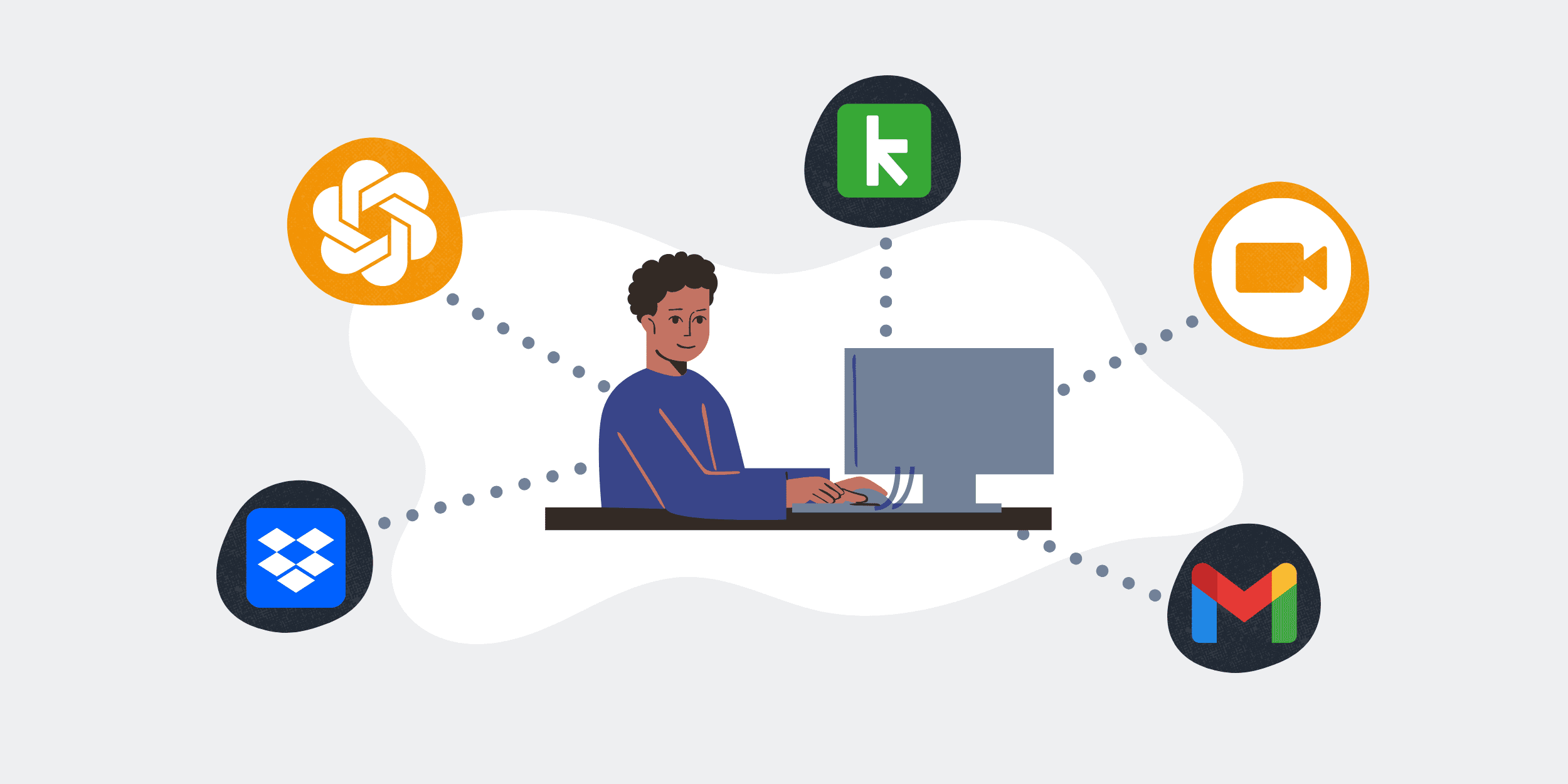
Key components of a successful SSOT strategy often involve a robust CRM (like Keap or HighLevel) as a central hub, augmented by intelligent automation platforms like Make.com. These tools enable the seamless flow of data between various operational systems—from HR and recruiting platforms to sales, marketing, and finance applications. For instance, imagine a new hire’s data automatically populating the HR system, payroll, and even internal communication tools, all from a single entry point. This not only eliminates human error but frees up high-value employees from tedious, repetitive data entry, allowing them to focus on strategic initiatives.
Overcoming the Obstacles to Data Unification
The journey to an SSOT is not without its challenges. Legacy systems, resistance to change, and a lack of technical expertise can all create significant hurdles. However, the benefits far outweigh the difficulties. By centralizing data and automating its flow, businesses can achieve unparalleled operational efficiency, enhanced data security, and a clearer, more accurate picture of their performance. This enables leaders to identify trends, predict outcomes, and react swiftly to market changes, transforming data from a burden into a powerful strategic asset. We recently helped an HR tech client save over 150 hours per month by automating their resume intake and parsing process using Make.com and AI enrichment, then syncing to Keap CRM. This is a tangible example of how establishing a form of SSOT for a specific data set leads to significant ROI.
Our OpsMesh™ framework is designed to navigate these complexities, ensuring that your automation and AI systems are not just built but strategically aligned to your business goals. We focus on creating a cohesive data ecosystem where every piece of information contributes to a unified, accurate, and easily accessible source. This strategic-first approach means we don’t just build technology for its own sake; we build solutions that deliver tangible ROI, save you 25% of your day, and empower your business to scale without the usual operational friction.
The path to true business scalability and intelligent decision-making is paved with accurate, accessible, and unified data. Embracing a Single Source of Truth isn’t merely about technological adoption; it’s about a fundamental shift towards a more efficient, resilient, and data-driven organization. By systematically eliminating data silos and establishing clear data governance, you empower your teams, optimize your operations, and unlock the full potential of your most valuable asset.
If you would like to read more, we recommend this article: Revolutionizing Data Management: The Power of Single Source of Truth for Businesses











