Navigating the AI Hype: Practical Strategies for Business Integration
In boardrooms and across digital channels, artificial intelligence has moved beyond a futuristic concept to a present-day imperative. Yet, amidst the fervent discussion and endless promises, many business leaders find themselves grappling with a fundamental question: how do we move past the hype and implement AI in a way that truly transforms our operations and delivers measurable ROI? The chasm between AI’s potential and its practical application is wide, often leading to stalled initiatives, wasted resources, and skepticism. For high-growth B2B companies, the challenge isn’t merely adopting AI, but strategically integrating it to eliminate bottlenecks, enhance decision-making, and unlock unprecedented scalability.
The Illusion of Effortless AI: Why Many Initiatives Fall Short
The prevailing narrative often suggests that AI integration is a simple plug-and-play solution. Companies invest in shiny new tools, only to discover that these solutions operate in silos, fail to connect with existing systems, or require more manual intervention than advertised. This isn’t a failure of AI technology itself, but rather a misstep in strategic planning and implementation. Without a clear understanding of current operational inefficiencies and a roadmap for seamless integration, AI projects risk becoming another layer of complexity rather than a true enabler of efficiency.
Consider the common pitfalls: purchasing an AI-powered CRM add-on that doesn’t sync historical data, implementing an HR AI tool that requires constant manual data entry, or adopting an AI assistant that lacks the contextual awareness to truly assist. These scenarios highlight a critical oversight: AI thrives on clean, integrated data and well-defined processes. When businesses jump straight to technology without first auditing their operational landscape, they inevitably build a sophisticated system atop a fractured foundation. This leads to frustrated teams, underutilized technology, and a perpetuation of low-value work for high-value employees.
Strategic Integration: Beyond the Buzzwords to Business Outcomes
At 4Spot Consulting, we approach AI not as a standalone magic bullet, but as a powerful component of a larger, integrated automation strategy. Our OpsMesh framework is designed precisely to bridge this gap between potential and performance. It’s about understanding that true AI transformation isn’t about the AI itself, but about how intelligently it’s woven into your existing operational fabric. The initial step is always an objective assessment: where are the human errors? Where are the data redundancies? Which manual tasks consume the most valuable employee time?
Take, for example, the realm of HR and recruiting. Many firms are overwhelmed by the sheer volume of resumes and applications. Without intelligent automation, this quickly becomes a bottleneck, delaying talent acquisition and diverting high-skilled recruiters from strategic outreach. We’ve seen firsthand how a strategic integration of AI, using tools like Make.com and bespoke AI models, can automate resume parsing, candidate scoring, and initial communication workflows. This frees up hundreds of hours, ensuring that human expertise is focused on relationship building and critical decision-making, not data entry. This isn’t about replacing humans; it’s about augmenting their capabilities and enabling them to do more meaningful work.
Building an AI-Powered Operational Backbone: The 4Spot Approach
Our methodology begins with an OpsMap™ diagnostic. This isn’t a sales pitch; it’s a deep dive into your current operations, designed to uncover hidden inefficiencies and identify precisely where AI and automation can deliver the most significant impact. We look at your CRM systems (Keap, HighLevel), your document management, your data flows, and your communication channels. The goal is to establish a “Single Source of Truth” for your data, making it actionable for AI and eliminating information silos.
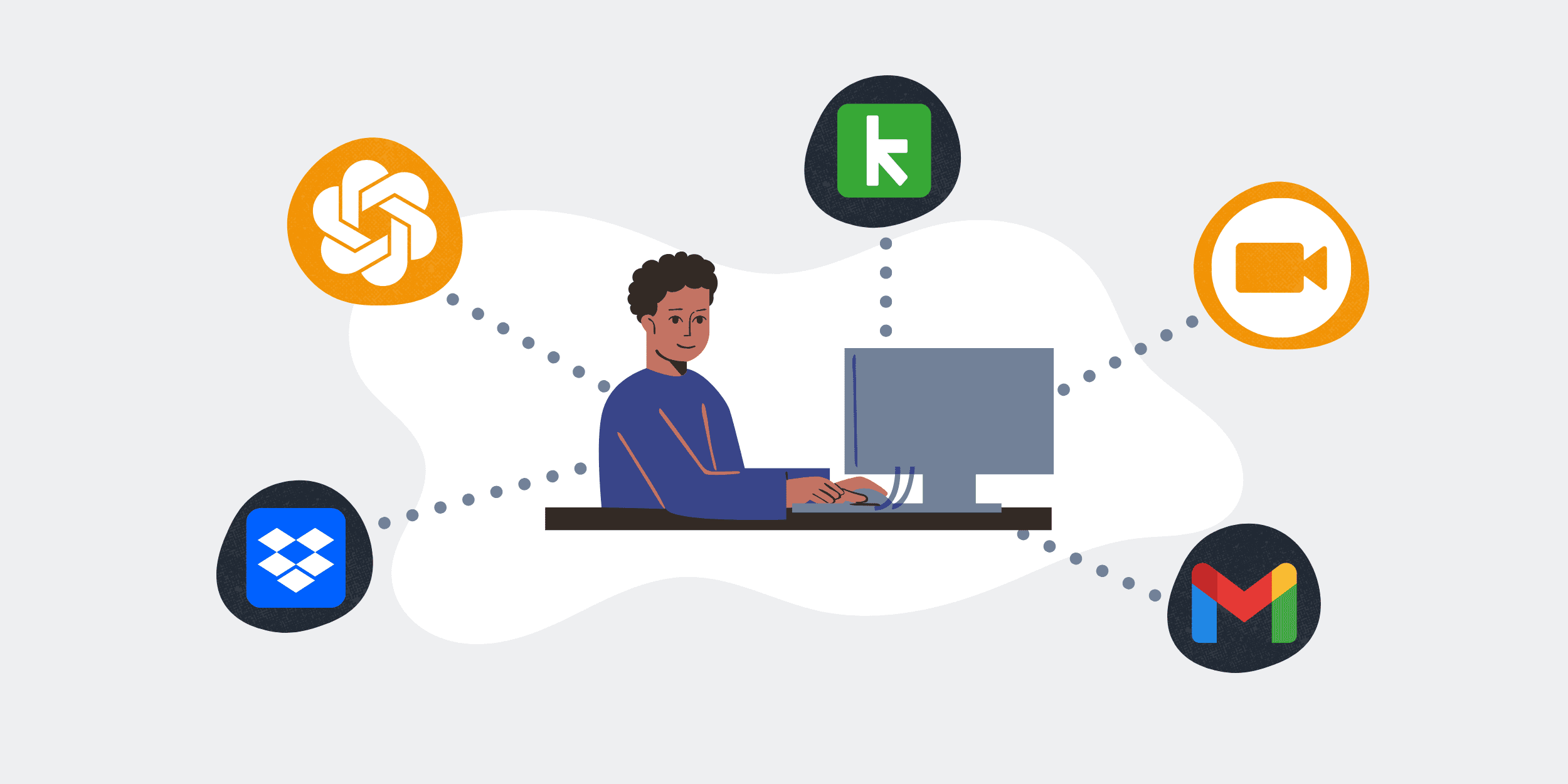
Once we’ve mapped the opportunities, our OpsBuild phase kicks in. This is where the rubber meets the road. We leverage low-code platforms like Make.com to connect disparate systems, integrating AI solutions (whether for data enrichment, natural language processing, or predictive analytics) directly into your workflows. This strategic approach ensures that every piece of technology serves a defined business outcome, whether it’s reducing operational costs, accelerating sales cycles, or dramatically improving customer experience. It’s about building an intelligent, interconnected operational backbone that scales with your growth.
Real-World Impact: The Power of Intentional AI
We recently partnered with an HR tech client facing significant manual overhead in their resume intake and parsing process. Their high-value recruiting team was spending countless hours sifting through applications, a process prone to human error and significant delays. Through a tailored OpsBuild initiative, we implemented a system using Make.com and AI enrichment to automatically parse resumes, extract key candidate data, and sync it directly into their Keap CRM. The result was transformative: over 150 hours saved per month, allowing their recruiters to focus on proactive talent acquisition and client engagement. As one executive put it, “We went from drowning in manual work to having a system that just works.” This is the tangible outcome of intentional AI integration.
The future of business isn’t just about having AI; it’s about having the right AI, strategically deployed and seamlessly integrated. It’s about moving beyond the superficial allure of technology to harness its power for genuine, quantifiable business transformation.
Ready to explore how strategic AI integration can save your business time and resources? Discover how an OpsMap™ can identify your unique opportunities for automation and AI-driven efficiency.
If you would like to read more, we recommend this article: Navigating the AI Hype: Practical Strategies for Business Integration