Post: Stop the Drain: How AI Transforms Manual HR into a Strategic Growth Engine
The Unseen Costs of Manual HR: How AI Transforms Efficiency and Eliminates Bottlenecks
Many business leaders recognize the overt expenses of running an HR department: salaries, benefits, software licenses. However, a more insidious drain on resources often goes unnoticed—the hidden costs of manual processes. These aren’t line items on a budget; they’re the accumulated inefficiencies, errors, and lost productivity that slowly erode profitability and scalability. From endless resume screening to repetitive data entry, manual HR tasks don’t just consume time; they consume potential, diverting high-value employees from strategic initiatives to mundane, repeatable work. For high-growth B2B companies, ignoring these hidden costs is akin to leaving money on the table, directly impacting your ability to innovate and expand.
The Silent Drain: Where Manual HR Truly Hurts Your Business
Consider the typical recruitment cycle. A new role opens, and immediately, a cascade of manual tasks begins: posting the job, sifting through hundreds of applications, scheduling interviews, sending follow-up emails, and managing offer letters. Each step, if handled manually, introduces opportunities for delay, error, and bias. This isn’t just about the time a recruiter spends; it’s about the opportunity cost of an open position, the impact on team morale due to slow hiring, and the inability to scale hiring effectively when growth demands it. For businesses striving for $5M+ ARR, these bottlenecks aren’t minor inconveniences; they’re direct inhibitors of sustained expansion, often leading to missed revenue targets and increased operational strain.
Beyond recruitment, routine HR operations—onboarding, payroll adjustments, performance review coordination, compliance checks—are often similarly bogged down. HR professionals, who should be strategic partners in talent development and organizational culture, frequently find themselves mired in administrative minutiae. This saps their energy, reduces job satisfaction, and prevents them from contributing to higher-level initiatives that truly drive business value. When your most valuable employees are spending 25% of their day on low-value, repeatable tasks, you’re not just losing time; you’re losing competitive edge, intellectual capital, and the very strategic foresight needed to navigate a dynamic market.
AI as the Catalyst: Shifting from Manual Drudgery to Strategic HR
The good news is that these hidden costs are not inevitable. The advent of artificial intelligence, particularly when integrated with robust automation platforms, offers a transformative solution. AI isn’t about replacing human judgment; it’s about augmenting human capability, eliminating the tedious, error-prone tasks that stifle efficiency. Imagine a world where resumes are pre-screened for critical keywords and cultural fit, interview schedules are optimized automatically, and onboarding documents are generated and distributed without human intervention. This isn’t science fiction; it’s the reality for businesses leveraging intelligent automation to reclaim hundreds of hours and redirect focus to strategic initiatives.
For instance, AI can revolutionize resume parsing and initial candidate screening. Instead of hours spent manually reviewing applications, AI algorithms can quickly identify top candidates based on predefined criteria, reducing time-to-hire and ensuring a more consistent, objective initial review. Similarly, AI-powered chatbots can handle routine candidate queries, freeing up recruiters for more personalized interactions and strategic relationship-building. On the operational side, AI can assist in managing employee data, flagging compliance issues proactively, and even personalizing learning and development paths, all while significantly reducing manual effort and human error. This enables HR to move from reactive administration to proactive, data-driven talent management.
The 4Spot Consulting Approach: Strategic Automation with ROI in Mind
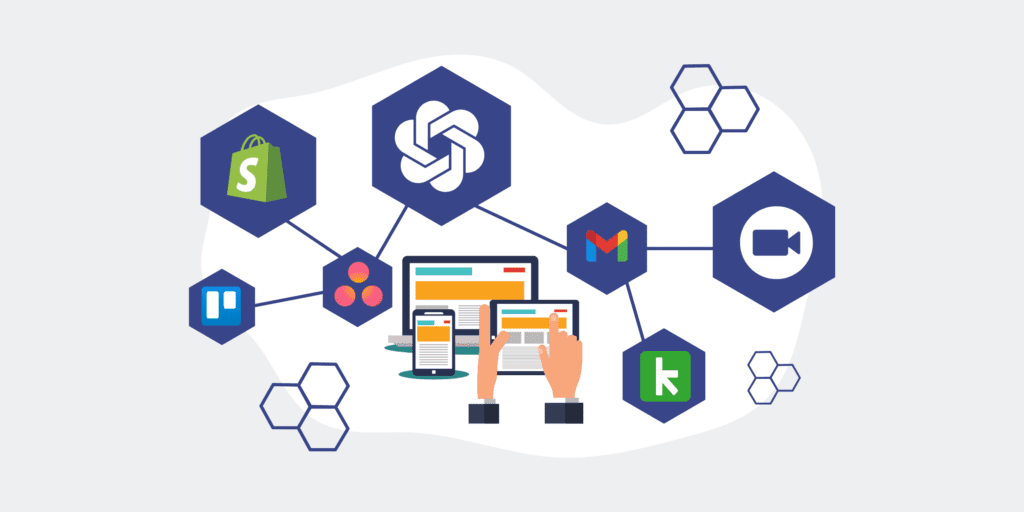
At 4Spot Consulting, we understand that implementing AI and automation isn’t just about adopting new tech; it’s about fundamentally rethinking how work gets done. Our OpsMesh framework is designed to integrate disparate systems into a cohesive, efficient operational network. We start with an OpsMap™—a strategic audit that uncovers exactly where manual processes are costing your business the most. This isn’t a generic assessment; it’s a deep dive into your unique workflows, identifying specific bottlenecks, and quantifying the potential ROI of automation. We focus on delivering clear business language and outcomes, not technical fluff.
We’ve seen firsthand the profound impact of this approach. For one HR tech client, the manual intake and parsing of resumes was consuming over 150 hours per month. By implementing an automated solution using Make.com and AI enrichment, seamlessly syncing data to their Keap CRM, we helped them reclaim those hours. The result? “We went from drowning in manual work to having a system that just works,” they reported. This kind of outcome isn’t an anomaly; it’s the standard when automation is approached strategically, with a clear focus on eliminating low-value work from high-value employees and creating tangible, measurable savings.
Our commitment extends beyond initial setup. Through OpsBuild, we implement tailored automation and AI systems that integrate seamlessly with your existing infrastructure. And with OpsCare, we provide ongoing support, optimization, and iteration, ensuring your systems evolve with your business needs. This comprehensive, strategic-first approach means you’re not just getting a solution; you’re gaining a scalable, resilient operational backbone designed to save you 25% of your day—every day, by eliminating human error and boosting efficiency across the board.
The hidden costs of manual HR processes are a significant impediment to growth and profitability for many B2B companies. By strategically embracing AI and automation, leaders can transform their HR operations from a cost center burdened by inefficiency into a strategic asset that drives scalability, employee engagement, and competitive advantage. It’s time to stop paying the silent tax of manual work and start investing in intelligent systems that deliver measurable ROI and empower your team to focus on what truly matters.
If you would like to read more, we recommend this article: The Power of Process: Unlocking Operational Excellence with Automation


RELATED POST