How to Integrate Your CRM with a Dedicated Onboarding Platform for a Unified Client View
In today’s fast-paced business environment, disjointed systems are a silent killer of efficiency and client satisfaction. Many organizations struggle with a fragmented client experience, especially when their CRM operates separately from their client onboarding platform. This disconnect often leads to manual data entry, inconsistencies, and a lack of real-time visibility into the client journey. Achieving a unified client view is not just about convenience; it’s about eliminating operational bottlenecks, reducing human error, and creating a seamless, professional experience from the very first interaction. This guide provides a strategic, step-by-step approach to integrate these critical systems, ensuring your team has a single source of truth for every client.
Step 1: Define Your Integration Objectives and Requirements
Before diving into any technical work, it’s crucial to clearly articulate what you aim to achieve with this integration. Begin by mapping out your current client journey from lead capture to successful onboarding and beyond. Identify specific pain points: where does data currently get duplicated? Which manual tasks consume the most time? What key information from the CRM needs to be instantly accessible in the onboarding platform, and vice-versa? Consider your business goals, such as reducing onboarding time, improving client satisfaction scores, or enhancing data accuracy. Documenting these objectives and requirements will serve as your blueprint, ensuring that the integration serves a clear business purpose and delivers tangible ROI. Without a clear “why,” the “how” becomes significantly more complex and prone to missteps.
Step 2: Select Compatible CRM and Onboarding Platforms
The success of your integration heavily relies on the compatibility and capabilities of your chosen platforms. While many modern CRMs (like Keap or HighLevel) and onboarding solutions offer robust APIs and native integrations, it’s essential to evaluate their interoperability. Look for platforms that openly support API access, webhooks, or have pre-built connectors. Consider scalability – will these platforms grow with your business? Evaluate security protocols to ensure client data protection, a critical concern for any organization. If you’re currently using disparate systems, this step might involve a strategic review to determine if one or both need to be upgraded or replaced to meet your integration goals. A platform like Make.com can often bridge gaps between less compatible systems, offering a powerful low-code automation layer.
Step 3: Map Your Data Fields and Workflow Logic
This is where the strategic planning truly comes into play. Create a detailed data mapping document that specifies which fields in your CRM correspond to which fields in your onboarding platform. Pay close attention to data types, formats, and unique identifiers to ensure seamless data transfer. Beyond static fields, map out the workflow logic:
* What triggers a client to move from CRM to onboarding? (e.g., deal closed, contract signed).
* What data flows in which direction? (e.g., client contact info from CRM to onboarding, onboarding status updates back to CRM).
* Are there any conditional rules or branching logic based on client segments or service offerings?
A thorough data and workflow map prevents data silos, ensures accuracy, and designs an efficient client journey, eliminating redundant data entry and improving the client experience.
Step 4: Configure the Integration Using APIs or Automation Tools
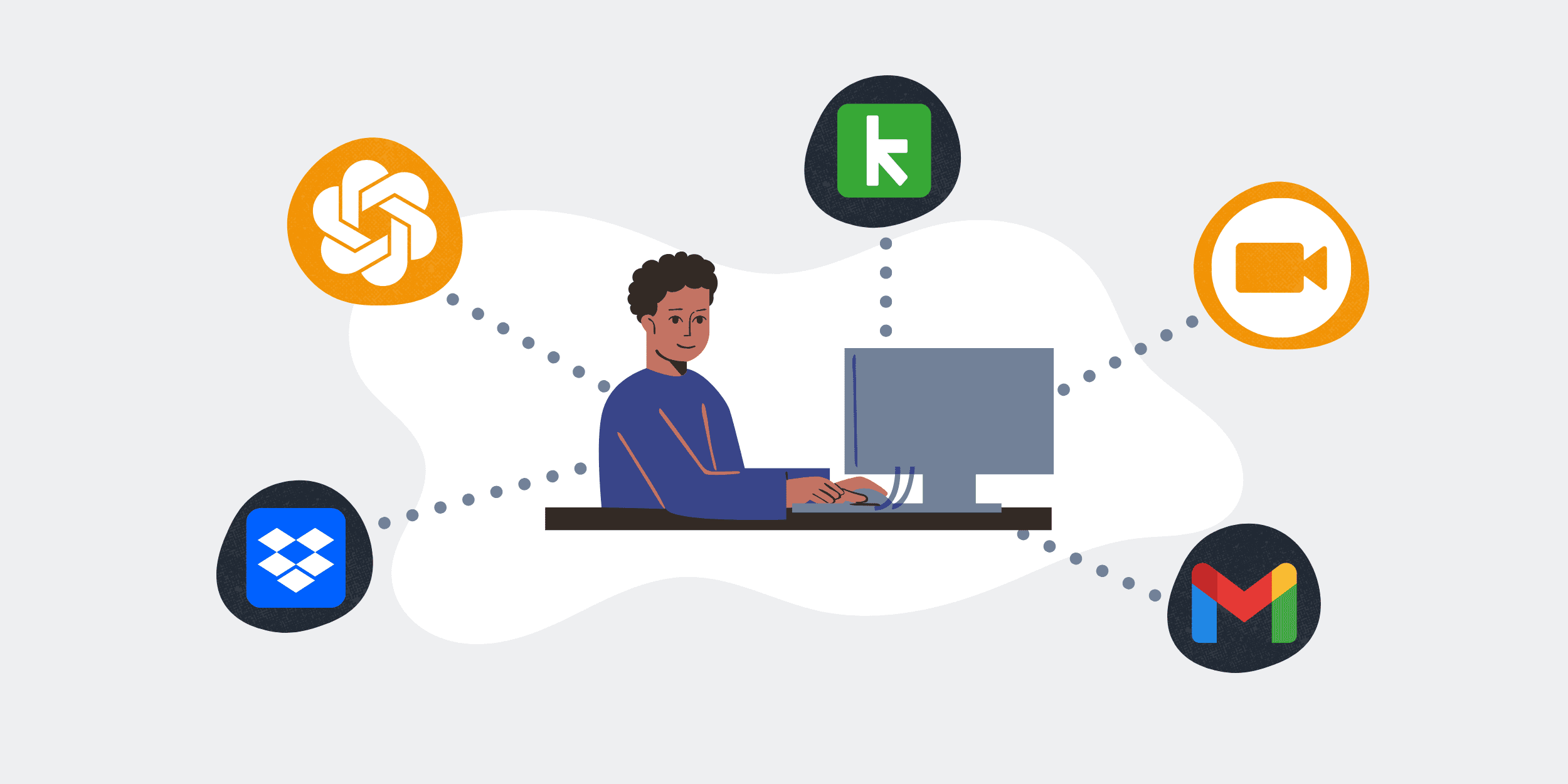
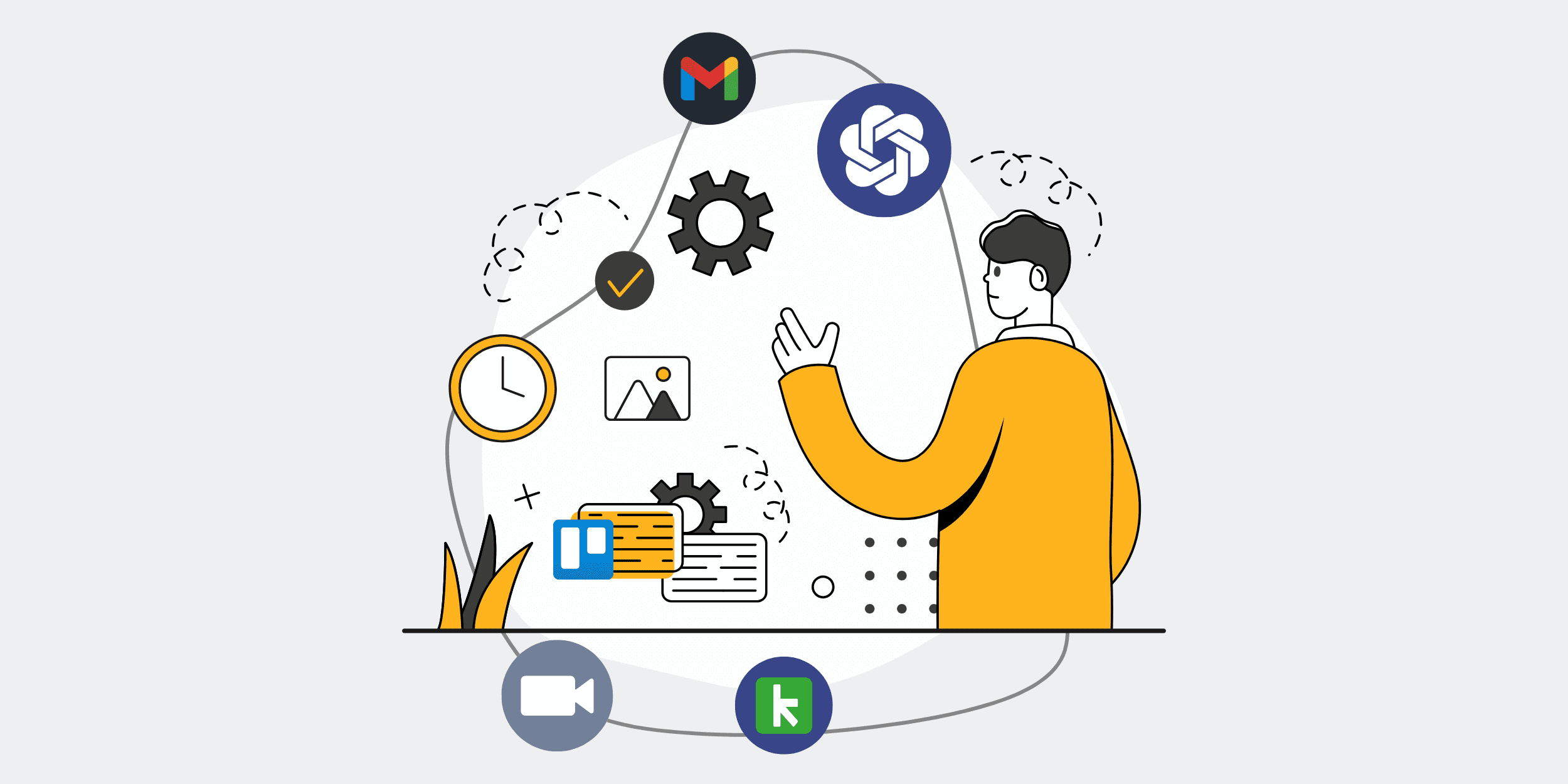
With your objectives, platforms, and data mapped, it’s time for implementation. For direct integrations, follow the documentation provided by your CRM and onboarding platform to connect them. This often involves setting up API keys, webhooks, or using pre-built connectors. If direct integration options are limited, or you require complex, multi-step automations, leverage a powerful low-code integration platform like Make.com. These tools allow you to visually build sophisticated workflows that push and pull data between systems, transform information, and orchestrate complex sequences. For example, when a client’s status in the CRM changes to “Onboard Ready,” Make.com can automatically create a new client profile in your onboarding platform, trigger an initial welcome email, and update the CRM with the onboarding platform’s unique client ID.
Step 5: Conduct Rigorous Testing and Quality Assurance
An integration is only as good as its reliability. Before rolling out the integrated system to your entire team or clients, conduct comprehensive testing. Create test cases that cover every scenario outlined in your data mapping and workflow logic, including edge cases. Simulate the full client journey, from initial lead entry in the CRM to various stages within the onboarding platform and back. Verify that data flows correctly in both directions, that all fields are populated accurately, and that workflow triggers function as expected. Pay close attention to error handling – what happens if data is missing or malformed? Involve key stakeholders from both sales and operations in the testing phase to gather feedback and identify any overlooked issues. This meticulous QA process is vital for ensuring data integrity and a smooth user experience.
Step 6: Train Your Team and Document Processes
Technology is only one part of the equation; people are the other. Once the integration is thoroughly tested and deployed, effective team training is paramount. Educate your sales, account management, and operations teams on how to use the new, unified system. Explain the benefits of the integration, demonstrate the automated workflows, and clarify any changes to their daily processes. Provide clear, comprehensive documentation that covers common tasks, troubleshooting steps, and who to contact for support. Empowering your team with knowledge and confidence in the new system is essential for adoption and for realizing the full ROI of your integration efforts. Continuous support and a clear channel for feedback will ensure long-term success.
Step 7: Monitor Performance and Optimize Continuously
Integration is not a one-time project; it’s an ongoing process of monitoring and optimization. Implement dashboards and reporting mechanisms to track key metrics related to client onboarding time, data accuracy, and user adoption. Regularly review these metrics to identify areas for improvement or potential bottlenecks. As your business evolves and client needs change, your integrated systems will need to adapt. Schedule periodic reviews with your team to gather feedback on what’s working well and what could be enhanced. Staying agile and committed to continuous improvement ensures that your CRM and onboarding platform integration remains a powerful asset, consistently delivering a unified, efficient, and exceptional client experience.
If you would like to read more, we recommend this article: CRM Data Protection for HR & Recruiting: Mastering Onboarding & Migration Resilience