Unlocking Operational Agility: The Power of AI-Driven Automation for Data Management
In today’s fast-paced business landscape, the ability to act swiftly and decisively often hinges on one critical factor: data. Yet, for many high-growth B2B companies, data remains a scattered, inconsistent, and ultimately underutilized asset. It’s trapped in silos, fragmented across disparate systems, and often requires tedious manual reconciliation. This isn’t just an inconvenience; it’s a significant bottleneck that stifles operational agility, inflates costs, and hinders strategic decision-making. At 4Spot Consulting, we’ve seen firsthand how manual data management drains productivity, often consuming up to 25% of a valuable employee’s day, pulling them away from core, revenue-generating activities.
The Hidden Costs of Disconnected Data
Consider the typical journey of data within an organization. A lead enters the CRM, customer details are updated in a project management tool, invoices are generated in accounting software, and internal communications happen on a separate platform. Each step, if not seamlessly integrated, introduces friction. Human error creeps in during manual transfers, versions become inconsistent, and vital insights are lost in the shuffle. This lack of a “single source of truth” doesn’t just impact efficiency; it undermines scalability. When systems don’t communicate, scaling up means scaling up the chaos, increasing operational costs disproportionately to growth.
For HR and recruiting teams, the impact is particularly acute. Think about the manual effort involved in parsing resumes, updating candidate profiles, scheduling interviews, and onboarding new hires across various HR tech platforms. Each step is a potential point of failure, delaying time-to-hire and detracting from the candidate experience. This isn’t a problem that can be solved by simply hiring more people; it’s a systemic challenge requiring a strategic, automated approach.
From Manual Mayhem to Intelligent Integration
Our experience, spanning decades of leading businesses from startups to Fortune 500s, has repeatedly shown us that the solution isn’t about throwing more software at the problem. It’s about intelligently connecting existing systems and leveraging automation and AI to orchestrate data flow. The goal is to create an ecosystem where data moves autonomously, accurately, and in real-time, forming a true single source of truth that powers every facet of your operations.
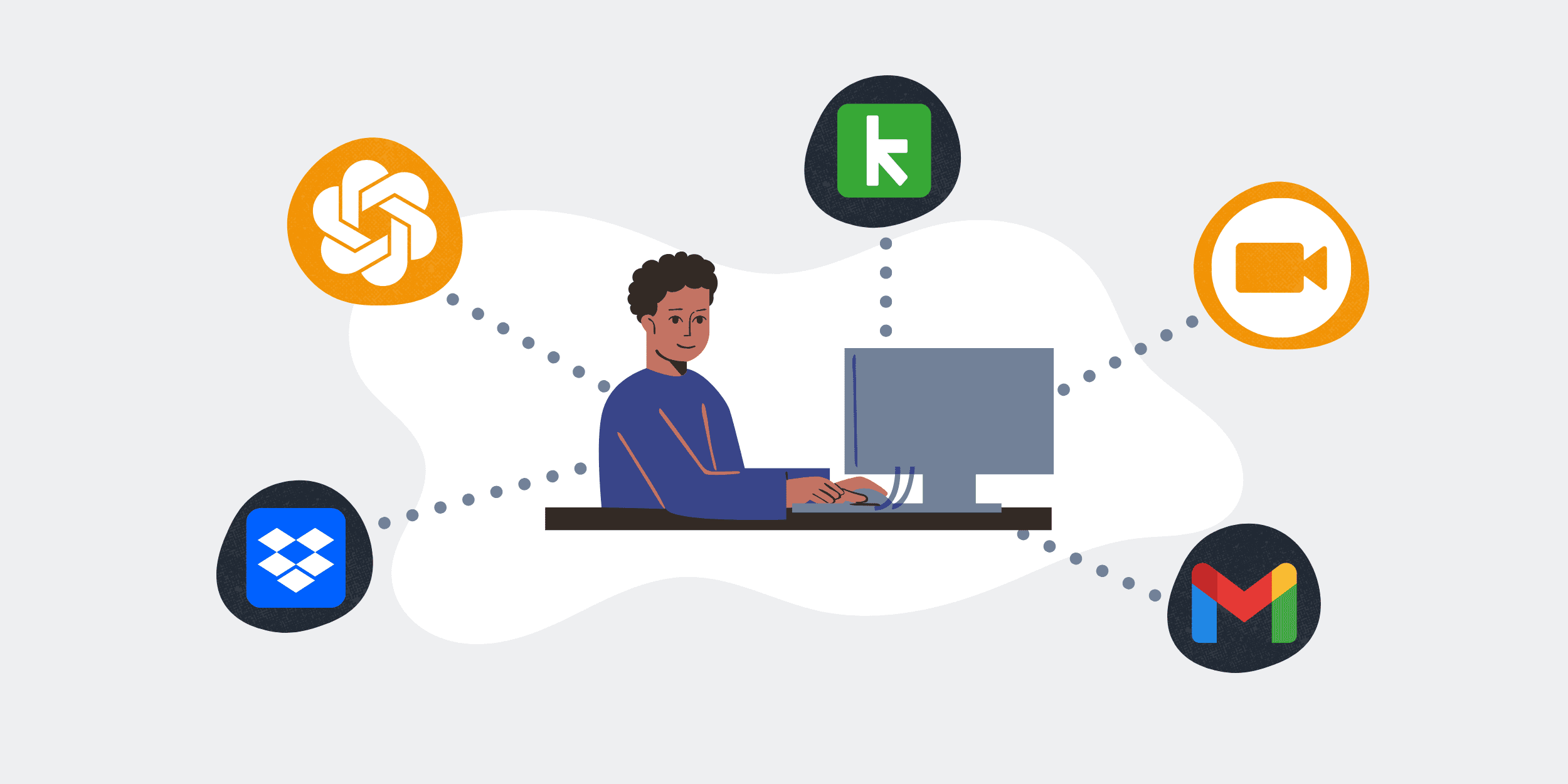
This is where our OpsMesh™ framework comes into play. It’s a strategic approach designed to eliminate these data silos, connecting disparate tools like Make.com, Keap, PandaDoc, and Unipile into a cohesive, intelligent network. Imagine a world where a new lead in your CRM automatically triggers a personalized onboarding sequence, populates your project management tool, and alerts the relevant sales team – all without a single manual click.
AI and Automation: The Engine of Data Harmony
The synergy between AI and automation is the catalyst for this transformation. Automation platforms like Make.com provide the pipes, connecting dozens of SaaS applications. AI, on the other hand, adds the intelligence, enabling systems to understand, categorize, and enrich data as it flows. For example, AI can automatically extract key information from unstructured documents, categorize customer inquiries, or even predict potential issues based on real-time data analysis. This not only eliminates low-value, repetitive work but also empowers your high-value employees to focus on strategic thinking and innovation.
We recently partnered with an HR tech client facing significant challenges with manual resume processing. Their team was spending over 150 hours per month manually reviewing, parsing, and entering candidate data into their Keap CRM. By implementing an AI-powered automation solution using Make.com, we automated their entire resume intake and parsing process. The result? A saving of over 150 hours per month, drastically reduced human error, and a streamlined candidate journey. The client reported, “We went from drowning in manual work to having a system that just works.”
Building a Scalable Data Foundation with 4Spot Consulting
Achieving this level of operational agility isn’t a one-off project; it’s a strategic imperative. Our process begins with an OpsMap™ diagnostic—a strategic audit designed to uncover your specific inefficiencies, identify automation opportunities, and roadmap a clear path to profitable automation. We don’t just build; we plan with your ROI and business outcomes firmly in mind. Following the OpsMap™, our OpsBuild™ phase implements these AI and automation systems, connecting your CRM, HR platforms, document management, and other vital tools to create a resilient, integrated ecosystem.
The ability to trust your data, knowing it’s consistent and accessible across your organization, frees you to make faster, more informed decisions. It reduces operational costs, mitigates human error, and most importantly, provides the scalability needed for sustained growth. This strategic-first approach ensures that every automation solution is directly tied to improving your bottom line and enhancing your team’s effectiveness.
Ready to uncover automation opportunities that could save you 25% of your day and transform your data management? Book your OpsMap™ call today.
If you would like to read more, we recommend this article: Mastering Business Automation: Your Guide to 4Spot Consulting’s OpsMesh Framework