The Invisible Drain: How Manual Data Entry Stifles Growth and How AI Can Eliminate It
Every business leader understands the imperative of growth. Yet, often, the most significant impediments aren’t market forces or competitor actions, but insidious internal inefficiencies. One of the most pervasive, yet frequently overlooked, is the silent killer of productivity: manual data entry. It’s an invisible drain on resources, a bottleneck for innovation, and a significant contributor to human error that can cascade throughout an organization.
Consider the typical day in many high-growth B2B companies. Teams across HR, recruiting, sales, and operations spend countless hours transcribing information from one system to another, updating spreadsheets, inputting contact details, or processing documents. This isn’t just about the time lost; it’s about the opportunity cost. High-value employees, hired for their strategic thinking and problem-solving abilities, are relegated to repetitive, low-value tasks. This fundamentally misaligns talent with purpose, diminishing morale and directly impacting the bottom line.
The Hidden Costs of Manual Processes
The impact of manual data entry extends far beyond mere time consumption. It introduces a high propensity for error. A single misplaced decimal, a misspelled name, or an incorrect date can lead to significant issues, from incorrect invoices and compliance breaches to misinformed strategic decisions. These errors require further manual intervention to correct, creating a vicious cycle of rework and frustration.
Moreover, manual processes are inherently slow. In today’s fast-paced business environment, agility is paramount. Delays in updating CRM systems, onboarding new hires, or processing client information mean missed opportunities, slower customer response times, and a general drag on operational velocity. This lack of real-time data visibility also hinders effective decision-making, as leaders are often operating with outdated or incomplete information.
Scalability is another casualty. As a company grows, the volume of data and the complexity of operations increase exponentially. Relying on manual data entry means that growth directly translates to a proportionate increase in administrative overhead and headcount, making sustainable scaling a costly and often unmanageable endeavor. Businesses become trapped in a linear growth model, where every step forward is accompanied by a heavier administrative burden.
AI and Automation: The Antidote to Administrative Drudgery
At 4Spot Consulting, we’ve witnessed firsthand how these manual bottlenecks can hamstring even the most ambitious companies. Our approach isn’t just about applying technology; it’s about strategically re-engineering operations to eliminate these drains. We leverage powerful low-code automation platforms like Make.com, combined with targeted AI, to transform how data flows through an organization.
Intelligent Data Capture and Processing
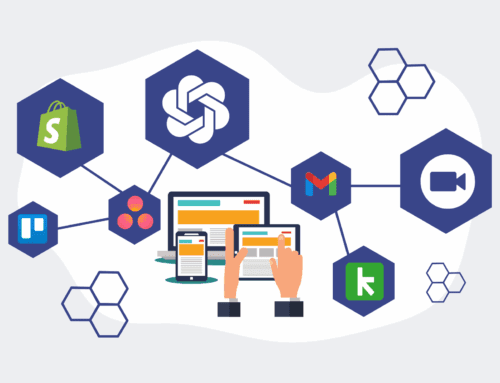
Imagine a system where incoming resumes are automatically parsed, key information extracted by AI, and then seamlessly populated into your ATS and CRM. Or where client contracts, once signed, trigger a workflow that updates billing systems, creates project folders, and notifies the relevant teams—all without a single manual keystroke. This isn’t futuristic fantasy; it’s the operational reality we build for our clients.
By deploying AI-powered tools, we enable intelligent data capture from various sources—emails, documents, web forms, even voice. These tools can understand context, identify relevant fields, and validate information, drastically reducing errors and speeding up data ingestion. This creates a “single source of truth” across systems, ensuring consistency and reliability of information, which is critical for compliance and strategic analysis.
Building an OpsMesh™ for Seamless Operations
Our proprietary OpsMesh™ framework is designed to connect disparate systems and automate the handoffs that typically require human intervention. This means your Keap CRM talks effortlessly to your PandaDoc contracts, which then feed into your accounting software. The human element shifts from data transcription to data utilization and strategic oversight.
Through an OpsMap™ diagnostic, we first identify exactly where manual data entry is creating the most friction and cost within your unique business context. Then, through OpsBuild™, we implement bespoke automation and AI solutions that integrate seamlessly with your existing tech stack. This strategic approach ensures that every automation serves a clear business outcome, whether it’s saving 150+ hours per month for an HR firm on resume processing or generating millions in annual cost savings by optimizing client onboarding.
Reclaiming Productivity and Driving Growth
The elimination of manual data entry isn’t just about saving time; it’s about unlocking potential. It frees up your high-value employees to focus on what truly matters: strategic initiatives, client relationships, and innovation. It provides leadership with accurate, real-time data for informed decision-making. It builds a foundation for scalable growth that doesn’t buckle under increased demand.
If your business is struggling with the invisible drain of manual processes, know that there’s a proven path forward. By embracing AI and automation, you can transform operational bottlenecks into streamlined, efficient workflows that save you 25% of your day, reduce human error, and accelerate your journey towards sustainable growth.
If you would like to read more, we recommend this article: The Future of Business Automation: Unlocking Efficiency with AI