5 Ways AI is Revolutionizing HR & Recruiting Workflows for Strategic Advantage
In today’s hyper-competitive talent landscape, HR and recruiting professionals face unprecedented pressure to do more with less. Manual, repetitive tasks often consume valuable time, diverting focus from strategic initiatives like talent development, retention, and creating an exceptional candidate experience. The traditional approach, relying heavily on human-intensive processes, simply isn’t sustainable for high-growth companies aiming to scale efficiently. This bottleneck not only strains resources but also introduces human error, slows down hiring cycles, and ultimately impacts a company’s bottom line.
The solution isn’t to simply work harder, but to work smarter – by strategically integrating Artificial intelligence (AI) into core HR and recruiting workflows. AI is no longer a futuristic concept; it’s a present-day imperative, offering tangible benefits that transform operational efficiency and elevate strategic capabilities. By automating mundane tasks, providing deeper insights, and personalizing interactions, AI empowers HR teams to shift from administrative overhead to strategic business partners. For organizations striving to save 25% of their day, reduce operational costs, and accelerate their talent acquisition efforts, understanding and implementing AI-driven solutions is critical. This article will explore five practical applications where AI is making an immediate, measurable impact, moving HR and recruiting from reactive to proactive, and ultimately, more profitable.
1. AI-Powered Candidate Sourcing and Intelligent Screening
The initial stages of talent acquisition—sourcing and screening—are notoriously time-consuming and often riddled with unconscious bias. Recruiters spend countless hours sifting through resumes, job boards, and professional networks, often overlooking qualified candidates or wasting time on unsuitable ones. AI dramatically streamlines this process by leveraging advanced algorithms to identify, evaluate, and prioritize candidates with unparalleled efficiency and objectivity. AI-powered sourcing tools can scour vast databases, social media, and hidden corners of the web to find passive candidates who align perfectly with job requirements, company culture, and even future growth potential. These systems go beyond keyword matching, analyzing context, experience trajectories, and soft skills to build a richer candidate profile.
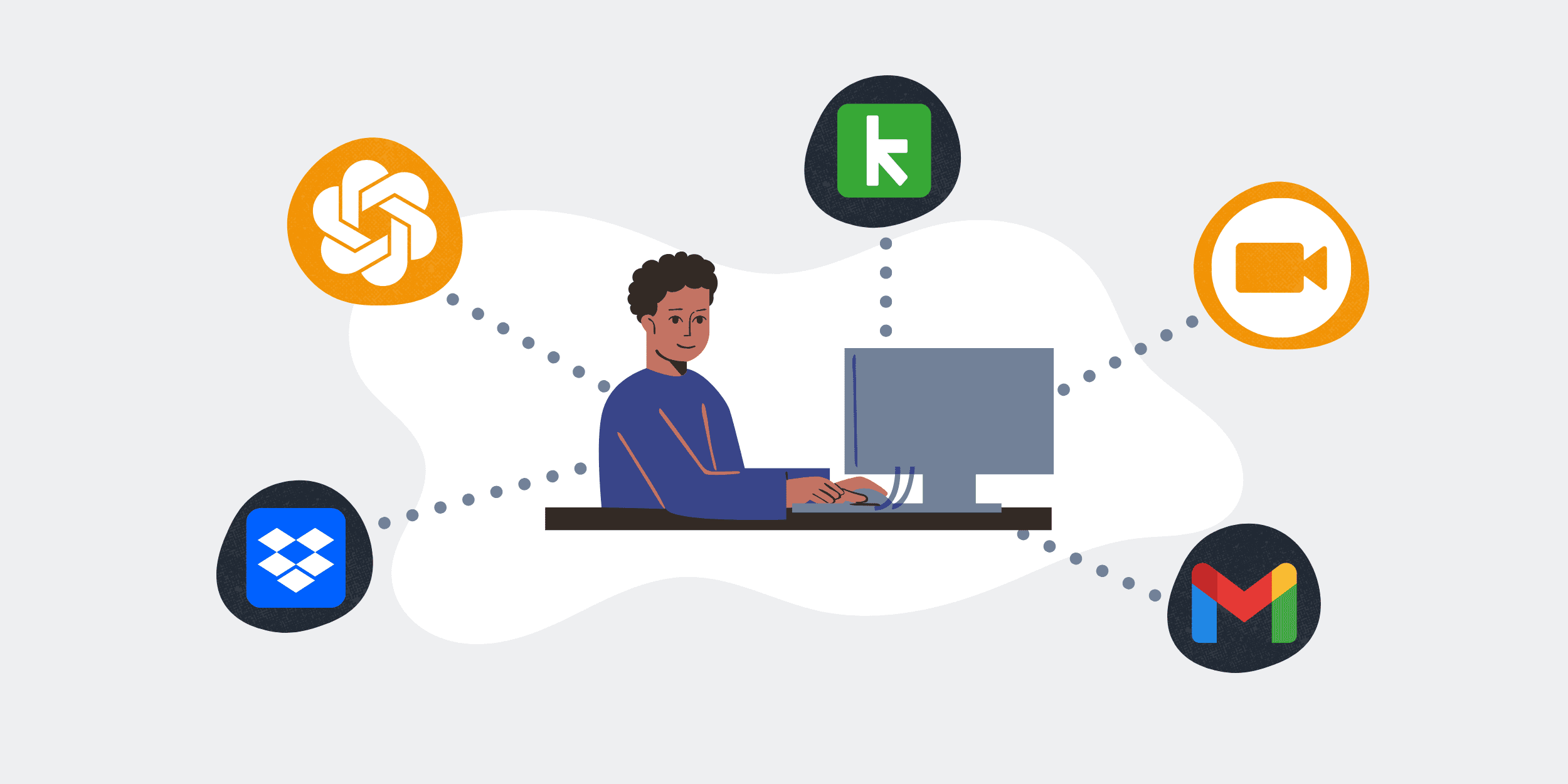
Once candidates are identified, AI-driven screening platforms take over. They can analyze resumes, cover letters, and even initial assessment responses at lightning speed, identifying key qualifications and flagging potential red flags that might be missed by human reviewers. Beyond simple keyword matching, these tools can assess a candidate’s communication style, problem-solving abilities, and cultural fit through natural language processing (NLP) and machine learning. This intelligent screening drastically reduces the volume of unqualified applications reaching a recruiter’s desk, allowing them to focus their energy on a truly curated shortlist. For our clients, integrating these AI tools with existing CRMs like Keap or HighLevel via platforms like Make.com has eliminated the manual grunt work, leading to faster time-to-hire and a higher quality of candidates progressing through the pipeline. This isn’t just about speed; it’s about making more informed, less biased decisions from the very first touchpoint.
2. Enhancing Candidate Experience with AI-Driven Chatbots and Personalization
In a competitive hiring market, the candidate experience can make or break a company’s ability to attract top talent. Long response times, impersonal communication, and a lack of transparency often lead to candidate frustration and attrition. AI-driven chatbots are revolutionizing this aspect by providing instant, 24/7 support and personalized interactions. These intelligent assistants can answer frequently asked questions about job roles, company culture, benefits, and application status, freeing up recruiters from repetitive inquiries. By automating these interactions, candidates receive immediate feedback and feel more valued, creating a positive impression of the organization from the outset. This improves engagement and significantly reduces the drop-off rate of promising candidates who might otherwise seek opportunities elsewhere.
Beyond basic Q&A, AI enables hyper-personalization throughout the candidate journey. From tailored job recommendations based on a candidate’s skills and interests to customized outreach messages that resonate with their specific career aspirations, AI ensures that every interaction feels relevant and meaningful. For instance, AI can analyze a candidate’s past interactions and online presence to suggest relevant content or even connect them with current employees who share similar backgrounds, creating a more engaging and humanized experience. Integrating such AI tools with CRM platforms allows for a seamless flow of information, ensuring that every touchpoint—whether human or AI-powered—is informed and consistent. This not only elevates the candidate experience but also positions the organization as forward-thinking and committed to leveraging technology for human connection, ultimately attracting a higher caliber of talent. We’ve seen this dramatically improve engagement and conversion rates for our recruiting firm clients.
3. Predictive Analytics for Talent Retention and Strategic Workforce Planning
One of the most significant challenges in HR is predicting and preventing employee turnover, which can be incredibly costly in terms of recruitment, training, and lost productivity. AI-powered predictive analytics tools are transforming this by analyzing vast datasets—including performance reviews, compensation data, engagement surveys, tenure, and even external market factors—to identify patterns and predict which employees might be at risk of leaving. These insights allow HR leaders to proactively intervene with targeted retention strategies, such as personalized development plans, mentorship opportunities, or adjusted compensation, before an employee even considers looking elsewhere. This shift from reactive damage control to proactive retention saves significant resources and preserves valuable institutional knowledge.
Moreover, predictive analytics extends to strategic workforce planning, helping organizations anticipate future talent needs and skill gaps. AI can analyze business growth projections, market trends, and internal skill inventories to forecast future hiring requirements, identify areas for upskilling existing employees, or pinpoint where external recruitment will be essential. This foresight enables HR to develop robust talent pipelines, allocate training budgets more effectively, and ensure the organization has the right people with the right skills at the right time. For our clients, integrating these analytical capabilities into their existing HRIS and CRM systems, often orchestrated through Make.com, provides a single source of truth for talent data. This empowers leaders to make data-driven decisions that impact long-term organizational stability and competitive advantage, moving beyond gut feelings to precise, actionable insights for building a resilient workforce.
4. Streamlining Onboarding and Training with AI-Driven Automation
The onboarding process is a critical phase for new hires, often determining their long-term engagement and success within an organization. However, it can be a labyrinth of paperwork, conflicting information, and overwhelming administrative tasks. AI and automation can dramatically streamline this process, ensuring new employees feel supported and productive from day one. AI-powered virtual assistants can guide new hires through onboarding checklists, answer procedural questions, explain company policies, and even facilitate initial introductions to key team members. This reduces the burden on HR staff and hiring managers, allowing them to focus on more strategic, personalized interactions. Furthermore, AI can personalize the onboarding journey by delivering relevant training modules and resources based on the new hire’s role, department, and prior experience, accelerating their time to proficiency.
Beyond initial onboarding, AI enhances ongoing employee training and development. Adaptive learning platforms leverage AI to assess an employee’s current skills, identify knowledge gaps, and recommend personalized learning paths. These systems can track progress, provide real-time feedback, and adjust content difficulty based on individual performance, ensuring more effective and engaging training outcomes. For companies utilizing tools like PandaDoc for document management, integrating AI through Make.com can automate the generation and distribution of personalized training materials and compliance documents, ensuring consistency and accuracy. By eliminating manual data entry, follow-ups, and repetitive explanations, AI-driven automation not only saves significant HR time but also cultivates a more efficient, engaging, and personalized employee experience, ultimately fostering higher retention rates and a more skilled workforce.
5. AI for Internal Mobility and Employee Engagement Initiatives
Retaining top talent isn’t just about preventing departures; it’s about fostering growth and providing opportunities for internal mobility. AI is proving to be an invaluable tool in identifying these opportunities and boosting overall employee engagement. By analyzing employee skills data, project experience, performance reviews, and career aspirations, AI can effectively match employees with internal job openings, special projects, or mentorship opportunities that align with their development goals. This proactive approach helps organizations retain valuable employees by showing them clear career paths within the company, reducing the need for costly external recruitment. AI can act as an internal “talent marketplace,” making internal promotions and lateral moves more transparent and accessible, benefiting both the employee and the organization by leveraging existing talent pools more effectively.
Furthermore, AI plays a crucial role in enhancing employee engagement. Through sentiment analysis of internal communications, survey responses, and anonymous feedback, AI can detect trends in employee satisfaction, identify emerging concerns, and highlight areas where leadership attention is most needed. This enables HR to implement targeted engagement initiatives, address issues proactively, and foster a more positive and productive work environment. For our clients, integrating these AI capabilities with their HR systems and communication platforms allows for a continuous feedback loop and data-driven insights into employee well-being. This strategic use of AI ensures that employee voices are heard and acted upon, leading to a more engaged, motivated, and loyal workforce. It transforms HR into a strategic partner dedicated to nurturing internal talent and fostering a thriving company culture.
The integration of AI into HR and recruiting workflows is no longer optional; it’s a strategic imperative for any organization looking to thrive in the modern talent landscape. From intelligent sourcing and personalized candidate experiences to predictive retention and streamlined onboarding, AI empowers HR professionals to move beyond administrative tasks and become true strategic partners in driving business growth. By automating the mundane and providing deep, actionable insights, AI allows your high-value employees to focus on what humans do best: building relationships, fostering culture, and making critical decisions. For companies aiming to save 25% of their day and achieve unprecedented levels of efficiency and scalability, leveraging AI through expert-driven automation is the clear path forward. Don’t let your competition outpace you; embrace the future of HR and recruiting today.
If you would like to read more, we recommend this article: CRM Backup for HR & Recruiting: Essential Data Protection for Keap & HighLevel