The Future of Work: How AI & PandaDoc Redefine HR Productivity
The landscape of human resources is undergoing a profound transformation, driven by the relentless march of technological innovation. For business leaders striving for operational excellence, the old ways of managing HR processes are no longer sustainable. In an era where efficiency and strategic focus dictate competitive advantage, the convergence of Artificial Intelligence (AI) and powerful document automation platforms like PandaDoc is not just an upgrade—it’s a complete reimagining of HR productivity. At 4Spot Consulting, we observe firsthand how these tools are freeing up high-value employees to focus on what truly matters: people, strategy, and growth.
The Evolving Role of HR in the AI Era
For decades, HR has been burdened by administrative overhead. From sifting through countless resumes to managing a labyrinth of employee documentation, the manual workload has often overshadowed strategic initiatives. AI is now stepping in to automate these traditionally time-consuming, low-value tasks, fundamentally shifting HR’s role from administrative gatekeeper to strategic partner. Imagine an HR department where routine queries are handled by intelligent chatbots, initial candidate screenings are conducted by AI algorithms, and onboarding forms are generated and tracked without human intervention. This isn’t a futuristic fantasy; it’s the present reality for businesses embracing these powerful technologies.
This shift allows HR professionals to dedicate their expertise to higher-level challenges: talent development, culture building, employee engagement, and strategic workforce planning. Instead of being bogged down by paperwork, HR can now leverage data analytics provided by AI to identify talent trends, predict attrition risks, and craft more effective retention strategies. The goal is not to replace human HR professionals, but to augment their capabilities, making them more effective, efficient, and ultimately, more valuable to the organization.
PandaDoc: The Unsung Hero of HR Document Workflow
While AI tackles the intelligence and automation of data, PandaDoc brings unparalleled efficiency to the document lifecycle—a critical component of HR operations. From job offers and employment contracts to onboarding packets, performance reviews, and policy acknowledgments, HR workflows are inherently document-heavy. Manual processes for generating, sending, signing, and tracking these documents are not only slow but also prone to human error, leading to delays, compliance risks, and a frustrating experience for both employees and HR staff.
PandaDoc revolutionizes this by digitizing and automating the entire document workflow. Instead of drafting each offer letter individually, templates can be populated with candidate data automatically. Secure e-signatures eliminate the need for printing, scanning, and mailing. Automated reminders ensure timely completion, and a centralized dashboard provides real-time visibility into document status. This significantly reduces the time from offer extension to acceptance, streamlines onboarding, and ensures that all critical employee documentation is managed efficiently and compliantly. For companies dealing with high volumes of hiring or managing diverse workforces, the time and cost savings are substantial.
Integrating AI and PandaDoc for Seamless HR Operations
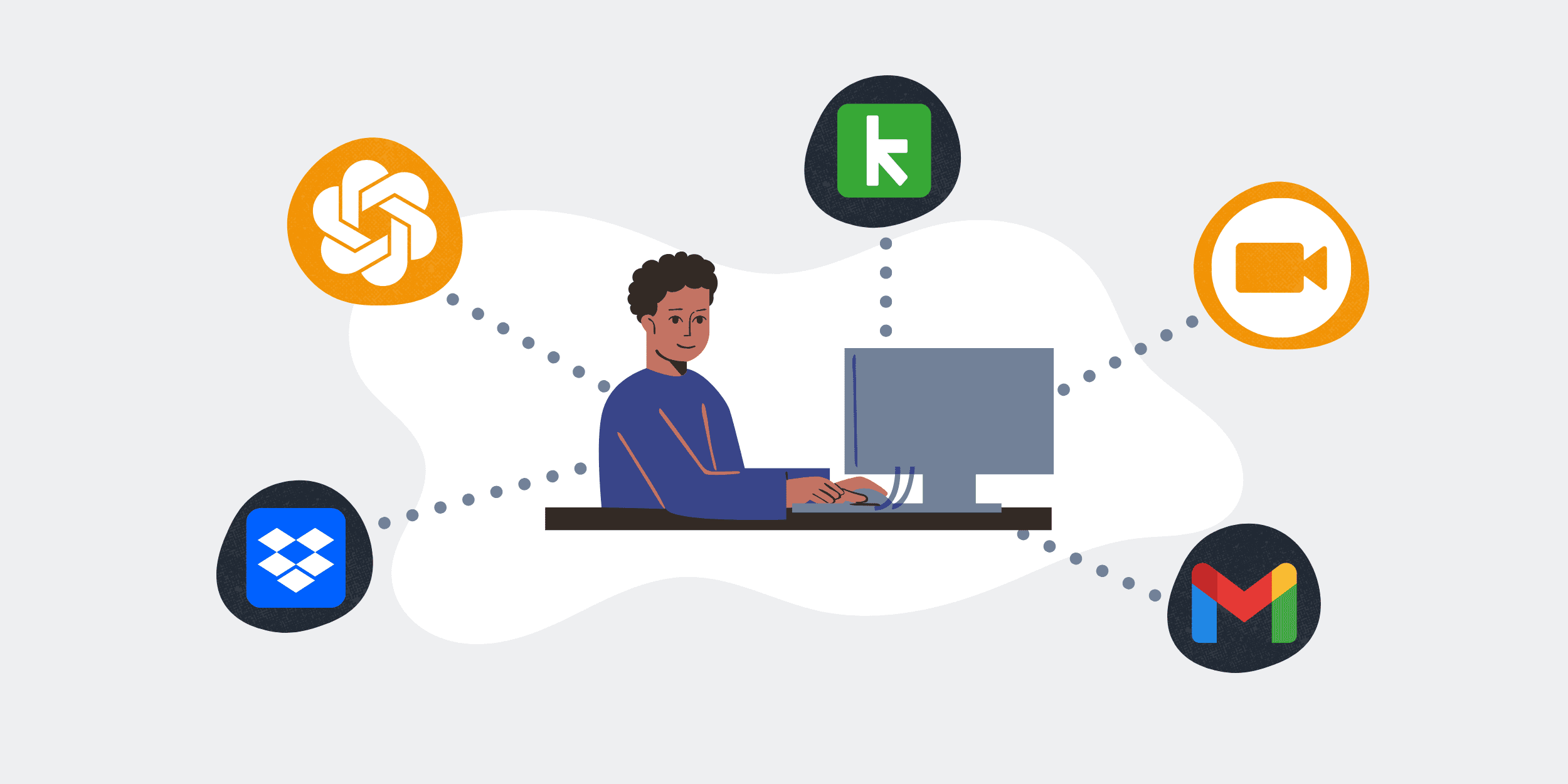
The true power emerges when AI and PandaDoc are integrated into a cohesive operational ecosystem. Consider the hiring process: AI can filter applicants based on skills and experience, perform initial sentiment analysis on cover letters, and even schedule interviews. Once a candidate is selected, an AI-powered automation platform, such as Make.com, can then trigger PandaDoc to automatically generate a personalized offer letter, employment contract, and onboarding forms. This data flows seamlessly from the applicant tracking system (ATS) or CRM (like Keap) directly into PandaDoc templates, pre-populating all necessary fields.
Upon acceptance, the signed documents are automatically archived in the employee’s digital file, and the HRIS is updated without manual entry. Further AI integrations can then personalize onboarding experiences, recommend training modules, or even predict flight risks based on early engagement metrics. This end-to-end automation reduces human error, accelerates critical processes, and frees HR teams to focus on fostering a positive employee experience from day one.
The Strategic Imperative for Business Leaders
For COOs, HR Directors, and Founders, understanding and implementing these technologies is no longer optional—it’s a strategic imperative. The benefits extend far beyond mere efficiency gains. By automating transactional HR tasks, businesses can:
- **Reduce Operational Costs:** Less manual work means fewer hours spent on administrative tasks, leading to significant cost savings.
- **Improve Compliance:** Automated document workflows and AI-driven checks minimize errors and ensure adherence to regulatory requirements.
- **Enhance Employee Experience:** A smooth, efficient HR process, from recruitment to onboarding, contributes to a positive first impression and ongoing employee satisfaction.
- **Accelerate Time-to-Hire:** Streamlined processes mean faster offer extensions and quicker onboarding, getting new talent productive sooner.
- **Unlock Strategic Value:** HR professionals are liberated to engage in high-impact initiatives that directly contribute to business growth and innovation.
The future of work demands an agile, intelligent, and human-centric approach to HR. By leveraging AI to automate cognitive tasks and PandaDoc to master document workflows, organizations can build an HR function that is not just productive, but truly transformative. At 4Spot Consulting, we specialize in orchestrating these integrations, helping high-growth B2B companies eliminate bottlenecks, reduce costs, and scale effectively. We believe in building systems that save you 25% of your day, allowing your most valuable assets—your people—to focus on driving your business forward.
If you would like to read more, we recommend this article: The Definitive Guide to CRM Data Protection and Recovery for Keap Users: Safeguarding Your Business Continuity