Beyond the Spreadsheet: Automating Data Synchronization for a Single Source of Truth
In today’s fast-paced business environment, data is often hailed as the new oil. Yet, for many high-growth B2B companies, this invaluable resource remains scattered, inconsistent, and trapped in disparate systems. The promise of a “single source of truth” often feels like a distant ideal, buried under a mountain of manual data entry, endless spreadsheet cross-referencing, and the inherent risks of human error. This fragmented data landscape isn’t just an inconvenience; it’s a silent drain on efficiency, a bottleneck to scalable growth, and a significant impediment to informed decision-making.
The Hidden Costs of Disjointed Data
Consider the daily reality: your CRM holds customer interactions, your HR system manages employee data, your project management tool tracks tasks, and your financial software handles invoicing. Rarely do these systems communicate seamlessly. The result? Sales teams waste hours manually updating contact details, HR struggles to reconcile onboarding data, and leadership receives conflicting reports, all due to data desynchronization. This isn’t just about saving time; it’s about eliminating the potential for costly errors that arise when critical information isn’t consistent across your operations.
The true cost extends beyond mere time expenditure. Inaccurate or outdated data can lead to missed opportunities, poor customer experiences, compliance risks, and an overall erosion of trust. When high-value employees are bogged down with low-value data reconciliation tasks, their strategic potential is stifled. They become data janitors rather than innovators, a reality that directly impacts your bottom line and your ability to attract and retain top talent.
The Illusion of “Good Enough”
Many businesses operate under the illusion that their current data management strategy – often a patchwork of manual processes and a reliance on human diligence – is “good enough.” They might have a system that works for now, but it’s rarely robust or scalable. This tolerance for inefficiency often stems from a lack of awareness about truly integrated solutions or an underestimation of the cumulative impact of manual processes. The “good enough” approach inevitably breaks down as a company grows, leading to operational chaos and a ceiling on scalability. It’s a reactive posture that prevents proactive strategic moves.
We’ve observed countless organizations where critical operational decisions are delayed because data validation takes days, or where a single employee holds the institutional knowledge of how various spreadsheets connect. This creates points of failure, making the business vulnerable to staff turnover and process breakdowns. Achieving a single source of truth isn’t just about elegant data architecture; it’s about building resilience and ensuring business continuity.
Embracing a Single Source of Truth with Automation
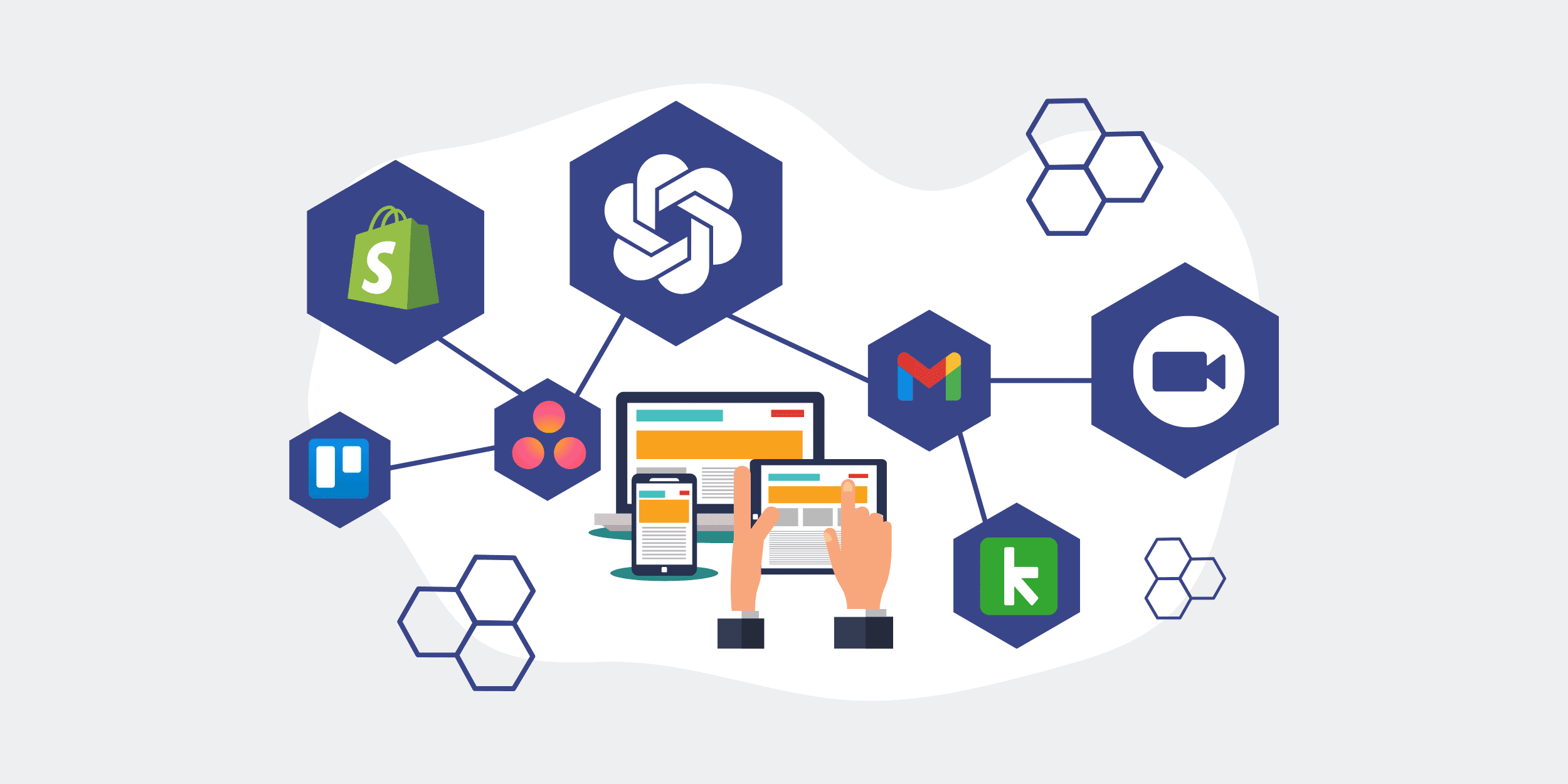
The path to a true single source of truth lies in strategic automation and intelligent integration. By leveraging platforms like Make.com, businesses can build robust workflows that connect disparate systems, ensuring data flows freely, accurately, and in real-time. This isn’t about replacing human judgment but empowering it with reliable, harmonized data. Imagine a world where a new lead in your CRM automatically populates into your marketing automation tool, triggers a sales task, and even updates a project tracking system – all without a single manual touch.
Integrating AI further amplifies this capability, allowing for intelligent data parsing, categorization, and enrichment. AI can clean messy data, extract relevant information from unstructured text (like resumes or contracts), and even identify anomalies that humans might miss. This combination of automation and AI transforms raw data into actionable intelligence, providing a holistic view of your operations and enabling truly data-driven decisions across HR, sales, marketing, and operations.
The 4Spot Consulting Approach: OpsMesh in Action
At 4Spot Consulting, our OpsMesh framework is specifically designed to tackle these challenges. We start with an OpsMap™, a strategic audit to pinpoint your specific data silos and operational inefficiencies. This isn’t about pushing technology; it’s about understanding your unique business context and identifying the automation opportunities that will deliver the greatest ROI. Once the roadmap is clear, our OpsBuild™ phase implements bespoke automation and AI solutions, meticulously connecting your systems to create seamless data flows.
For instance, we helped an HR tech client save over 150 hours per month by automating their resume intake and parsing process using Make.com and AI enrichment, then syncing this data to their Keap CRM. This transformation eliminated manual data entry, drastically reduced errors, and freed up their recruiting team to focus on strategic talent acquisition rather than administrative tasks. As they put it, “We went from drowning in manual work to having a system that just works.” Our hands-on leadership and ongoing OpsCare™ support ensure that your automation infrastructure remains optimized, adaptive, and continuously delivers value.
Moving beyond fragmented data is no longer a luxury; it’s a strategic imperative for any business aiming for scalable growth and sustained competitive advantage. By embracing a unified, automated approach to data synchronization, you’re not just organizing information; you’re building the foundation for a more efficient, intelligent, and profitable enterprise.
Ready to uncover automation opportunities that could save you 25% of your day? Book your OpsMap™ call today.
If you would like to read more, we recommend this article: Beyond the Noise: The Strategic Imperative of Business Process Automation