How to Automate Client Onboarding for Consulting Firms: A Step-by-Step Guide
In the fast-paced world of consulting, inefficient client onboarding can lead to wasted time, missed opportunities, and a less-than-stellar first impression. For high-growth B2B companies, streamlining this critical process isn’t just about efficiency; it’s about scaling operations without sacrificing client experience. At 4Spot Consulting, we specialize in leveraging automation and AI to eliminate manual bottlenecks, ensuring your team saves valuable time and can focus on delivering core services. This guide breaks down how to implement an automated onboarding system that sets the stage for long-term success, reducing human error and boosting your firm’s profitability from day one.
Step 1: Map Your Current Onboarding Process
Before you can automate, you must thoroughly understand your existing client onboarding journey. Gather your team and meticulously document every single touchpoint, task, and communication involved from the moment a new client signs a contract to when they are fully integrated and receiving services. Identify all stakeholders, the tools currently in use, and any manual hand-offs or data entries. Look for recurring pain points, delays, and areas prone to human error. This initial audit, akin to our OpsMap™ strategic audit, is crucial for uncovering inefficiencies and pinpointing exactly where automation can have the most impact. A detailed process map will serve as your blueprint for designing a more efficient, automated workflow.
Step 2: Identify Key Automation Opportunities
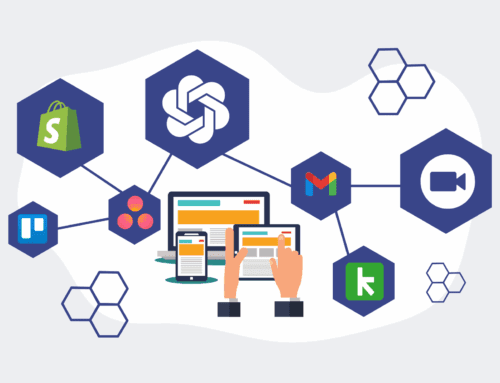
With your process map in hand, highlight specific tasks that are repetitive, rule-based, time-consuming, or require data transfer between systems. These are prime candidates for automation. Common areas include sending welcome emails, collecting client information via forms, generating initial project documents (like statements of work or NDAs), setting up client accounts in your CRM (e.g., Keap), scheduling kick-off meetings, and assigning initial tasks to your internal team. Consider how tools like Make.com can connect disparate systems like your CRM, document management, and communication platforms to create a seamless flow. The goal here is to offload low-value, high-volume work, freeing your high-value employees to focus on client strategy and relationship building.
Step 3: Choose Your Core Automation Tools
Selecting the right technology stack is paramount for a robust automation system. You’ll need a central automation platform (like Make.com) to orchestrate workflows between your other tools. Integrate this with your CRM (e.g., Keap or HighLevel) as your single source of truth for client data. For document generation and e-signatures, platforms like PandaDoc are invaluable. Communication tools (e.g., email marketing platforms, internal chat systems) should also be connected. For advanced data collection or AI-powered insights, consider tools that integrate with form builders or AI processing services. Ensure your chosen tools offer strong API capabilities and can communicate effectively, minimizing data silos and maximizing the efficiency of your automated processes.
Step 4: Design and Build Your Automated Workflows
This is where the actual implementation, similar to our OpsBuild™ phase, takes place. Using your chosen automation platform, start building the sequential workflows identified in Step 2. For instance, when a new contract is signed in PandaDoc, trigger a workflow that automatically creates a new client record in Keap, sends a personalized welcome email sequence, assigns an internal account manager, and creates a project folder in your cloud storage. Incorporate conditional logic to handle different client types or service offerings. Test each segment of your workflow rigorously with dummy data to ensure it functions as intended, checking for accurate data transfer, correct task assignments, and timely communications. Pay close attention to error handling and notifications.
Step 5: Integrate and Synchronize Data
A truly effective automation system relies on seamless data flow and synchronization across all platforms. Ensure your CRM acts as the central hub, with all relevant client data automatically populating from onboarding forms, contract systems, and communication tools. Implement two-way synchronization where necessary to keep all systems updated in real-time. This eliminates the need for manual data entry, drastically reduces the potential for errors, and ensures that every team member has access to the most current client information. For example, when a client updates their contact details in a specific portal, this change should reflect instantly in your CRM, ensuring your outreach and service delivery remain precise and personalized.
Step 6: Train Your Team and Go Live
With your automated onboarding system built and tested, it’s time to integrate it into your daily operations. Provide comprehensive training to your team on how to interact with the new automated workflows. Explain the purpose of each automation, what their new responsibilities entail, and how to monitor the system for success. Foster a culture of adoption by demonstrating the tangible benefits, such as reduced manual work and improved client satisfaction. Start with a phased rollout, if possible, and be prepared to collect feedback and make immediate adjustments. Continuous improvement, much like our OpsCare™ approach, is key to optimizing your system and ensuring its long-term effectiveness and ROI.
If you would like to read more, we recommend this article: Mastering Business Automation Strategies