Beyond Data Entry: Automating Your CRM for True Business Growth
In the relentless pursuit of scalability and efficiency, many B2B companies find themselves ensnared by the very systems designed to help them grow: their Customer Relationship Management (CRM) platforms. While CRMs are indispensable tools for managing client interactions and sales pipelines, the manual processes often associated with them can quietly drain resources, introduce errors, and stifle genuine business growth. At 4Spot Consulting, we’ve observed this paradox repeatedly: a powerful tool underperforming due to outdated, human-dependent workflows. The real power of your CRM isn’t in its features alone, but in how seamlessly it integrates into an automated operational fabric.
The Hidden Costs of Manual CRM Data Management
Consider the daily grind: sales teams manually updating contact information, marketing specialists importing lists, support staff logging interactions, and finance teams reconciling invoicing data. Each manual touchpoint is not just an expenditure of time; it’s a vulnerability. Human error is an inevitable part of the equation, leading to duplicate records, outdated contact details, or incomplete interaction histories. These inaccuracies don’t just create administrative headaches; they directly impact revenue generation by undermining sales outreach, skewing marketing analytics, and damaging customer relationships built on fragmented information.
Beyond the direct errors, there’s the opportunity cost. High-value employees, those with strategic insights and a knack for closing deals or solving complex customer issues, are often bogged down in low-value data entry. This misallocation of talent is a silent killer of productivity and innovation. When your top performers spend 25% of their day on tasks that could be automated, you’re not just losing that time; you’re losing the strategic gains they could have delivered.
From Data Silos to a Single Source of Truth
One of the most significant challenges in many organizations is the proliferation of data silos. A CRM might hold sales data, while a marketing automation platform houses email engagement metrics, and an ERP system manages billing. Without intelligent integration and automation, these systems remain isolated islands of information. This fragmentation makes it nearly impossible to gain a holistic view of the customer journey, leading to disjointed communication, missed cross-selling opportunities, and a reactive rather than proactive approach to client management.
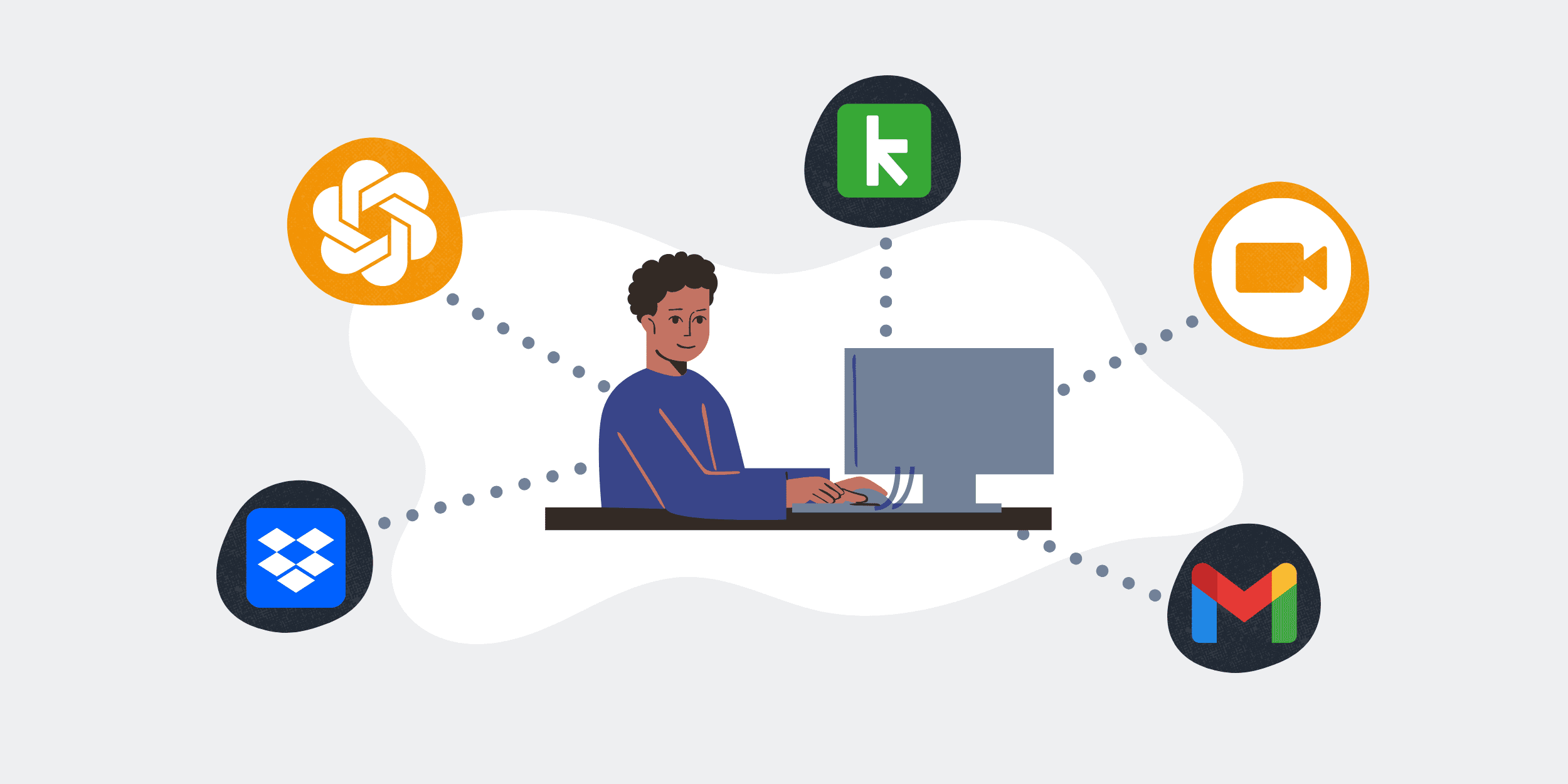
Our approach, rooted in the OpsMesh framework, champions the creation of a “Single Source of Truth.” This isn’t just about having all data in one place; it’s about ensuring that data is consistently accurate, up-to-date, and accessible across all relevant systems, automatically. Imagine a new lead entering your system from a website form, automatically being qualified, assigned, nurturing sequences initiated, and all activity logged in your CRM without a single manual click. This level of seamless integration transforms your CRM from a static database into a dynamic, intelligent hub for all customer-related operations.
Automating the CRM Lifecycle: Real-World Impact
The beauty of CRM automation lies in its versatility. It can streamline virtually every stage of the customer lifecycle. For instance, consider lead management. Automated lead scoring, routing, and follow-up ensure that hot leads are acted upon instantly, drastically improving conversion rates. Post-sale, automation can trigger onboarding sequences, schedule check-ins, and even prompt for testimonials or referrals, nurturing customer loyalty and driving repeat business. Even critical functions like data backup and recovery can be automated, safeguarding your most valuable asset against unforeseen events.
We’ve helped B2B companies eliminate hundreds of hours per month by automating their CRM workflows. For one HR tech client, the tedious process of resume intake, parsing, and syncing to their Keap CRM was a massive bottleneck. By implementing a custom automation solution using Make.com and AI enrichment, we transformed their process, saving them over 150 hours monthly and ensuring their CRM data was always clean and actionable. This isn’t just about saving time; it’s about creating a robust, error-free operational backbone that supports aggressive growth targets.
Reclaiming Productivity and Scaling with Confidence
The ultimate goal of CRM automation is to liberate your high-value employees from the drudgery of manual data management, allowing them to focus on strategic initiatives that truly move the needle. When your CRM is an automated force multiplier, not a data entry burden, your teams can dedicate their energy to relationship building, innovative problem-solving, and strategic planning. This shift not only boosts morale but also significantly enhances the organization’s capacity for growth without proportional increases in headcount or operational costs.
At 4Spot Consulting, we believe that every B2B company has untapped automation potential within its CRM and beyond. Our OpsMap™ diagnostic is designed to uncover these exact inefficiencies, surface opportunities, and roadmap profitable automations tailored to your unique business needs. It’s time to stop just managing data and start leveraging it to its full, automated potential.
Ready to uncover automation opportunities that could save you 25% of your day? Book your OpsMap™ call today.
If you would like to read more, we recommend this article: The Operational Mesh: A Strategic Imperative for Modern Businesses