Beyond the Spreadsheet: Automating Data Synchronization for a Single Source of Truth
In today’s fast-paced business environment, data is often hailed as the new oil. Yet, for many organizations, this valuable resource is trapped in scattered silos—spreadsheets, disparate CRM systems, HR platforms, and project management tools that simply don’t talk to each other. This fragmentation isn’t just an inconvenience; it’s a profound operational bottleneck, leading to costly errors, wasted time, and strategic decisions based on incomplete or outdated information. Business leaders striving for efficiency and scalability understand that the dream of a “single source of truth” is more than a buzzword; it’s a strategic imperative.
The reality is often messy. An HR team might manage candidate data in one system, only for that data to be manually re-entered into another for onboarding. Sales teams might update CRM records, but marketing campaigns pull from an older, unsynced database. This duplication of effort and data discrepancies create a landscape ripe for human error, slowing down critical processes and undermining confidence in the very data intended to drive growth.
The High Cost of Disconnected Data
The implications of fragmented data extend far beyond mere inconvenience. Consider the hidden costs: every hour spent on manual data entry or reconciliation is an hour not spent on strategic initiatives. Operational teams find themselves constantly cross-referencing information, leading to delays in decision-making and a diminished capacity for proactive problem-solving. When a high-value employee is spending 25% of their day on low-value data entry, the organization isn’t just losing efficiency; it’s losing potential revenue and innovation.
Moreover, the absence of a single source of truth stifles scalability. As a business grows, so does the volume and complexity of its data. Without automated synchronization, the manual workload increases exponentially, eventually becoming unsustainable. This creates a ceiling on growth, forcing companies to choose between hiring more administrative staff (which increases operational costs) or tolerating ever-increasing inefficiencies and errors.
From Data Silos to Synchronized Flow
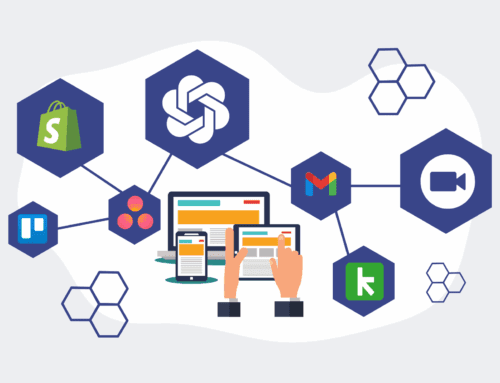
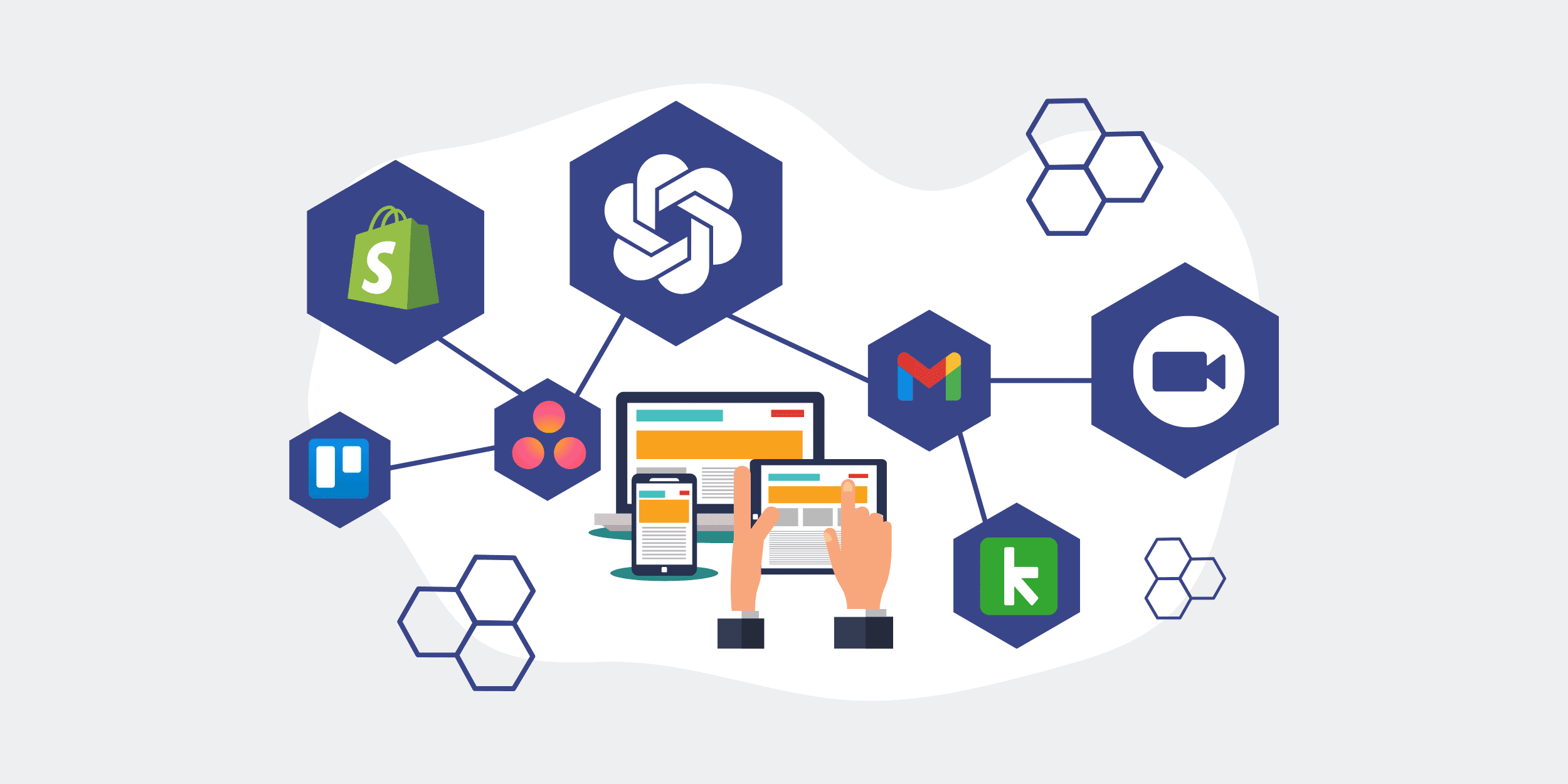
The solution lies not in adding more tools, but in intelligently connecting the ones you already have. This is where automation and AI play a transformative role, specifically through robust data synchronization strategies. Imagine a world where a new lead enters your CRM and automatically triggers an update in your marketing automation platform, creates a task in your project management system, and even enriches the contact record with publicly available data – all without a single manual click.
This interconnected ecosystem is what we refer to as an OpsMesh: an overarching automation strategy that weaves together disparate systems into a cohesive, intelligent network. By leveraging powerful integration platforms like Make.com, businesses can build seamless bridges between their critical applications. This means that data updated in one system is instantaneously reflected across all relevant platforms, ensuring everyone in the organization is working with the most current and accurate information.
How Automation Delivers a Single Source of Truth
Achieving a true single source of truth through automation involves several key steps:
Strategic Audit and Mapping
The journey begins with a comprehensive OpsMap™ diagnostic. This strategic audit helps uncover existing data silos, identify inefficiencies, and map out the critical data flows within your organization. Understanding which systems hold what data, and how that data needs to move, is foundational to designing an effective synchronization strategy.
Intelligent Integration and Workflow Design
Once the landscape is mapped, the OpsBuild phase focuses on implementing the automation. This isn’t just about connecting two systems; it’s about designing intelligent workflows that govern how data is created, updated, and validated across your tech stack. For instance, in HR, automating the flow of candidate data from an applicant tracking system (ATS) to a background check service, and then into an HRIS, eliminates manual re-entry and significantly reduces onboarding time and errors.
Enhanced Data Quality and Reliability
Automated synchronization inherently improves data quality. By reducing manual touchpoints, you drastically cut down on human errors—typos, missed fields, incorrect entries. Furthermore, sophisticated automation can include data validation rules, ensuring that only clean, complete data propagates through your systems. This reliability builds trust in your data, empowering leaders to make more informed decisions with confidence.
Scalability and Operational Agility
With data flowing autonomously and accurately, your business gains unprecedented scalability. New employees, increased sales volume, or expanding operations no longer translate into overwhelming manual data tasks. The automated infrastructure handles the growth, freeing your high-value employees to focus on innovation and client engagement. This operational agility allows your business to adapt quickly to market changes and pursue new opportunities without being hampered by internal inefficiencies.
4Spot Consulting: Your Partner in Data Synchronization
At 4Spot Consulting, we specialize in transforming fragmented data environments into streamlined, single sources of truth. Our strategic-first approach ensures that every automation solution we implement is directly tied to tangible ROI and business outcomes. We don’t just connect systems; we craft intelligent, resilient data pipelines that save you time, eliminate human error, and unlock your true growth potential. We’ve seen firsthand how an HR tech client saved over 150 hours per month by automating their resume intake and parsing process using Make.com and AI enrichment, syncing directly to their Keap CRM – turning a manual bottleneck into a seamless, efficient flow.
If you’re tired of battling disconnected data and the operational headaches it creates, it’s time to explore a more intelligent approach. Our OpsMap™ diagnostic is the first step towards uncovering these hidden efficiencies and building a truly synchronized, scalable business.
If you would like to read more, we recommend this article: The Strategic Imperative of Business Automation