Choosing the Right Automated Onboarding Software: A Buyer’s Guide
The first impression an employee gets of your organization often dictates their long-term engagement and productivity. In today’s competitive talent landscape, a clunky, paper-laden onboarding process isn’t just inefficient; it’s a significant liability that erodes trust and frustrates new hires before they even begin. For business leaders striving for operational excellence and scalability, the move to automated onboarding software is no longer a luxury but a strategic imperative. However, navigating the myriad of solutions available requires more than just comparing feature lists; it demands a deep understanding of your business’s unique needs and a vision for true integration.
The Hidden Costs of Manual Onboarding
Many organizations endure the slow burn of manual onboarding, perhaps believing it’s “just the way it’s always been done.” Yet, the costs accumulate rapidly. Think about the hours spent by HR teams on administrative tasks: printing documents, chasing signatures, manually entering data into multiple systems, or coordinating IT access. This isn’t just about salaries; it’s about the opportunity cost of high-value HR professionals being bogged down by low-value work. More critically, manual processes are inherently prone to human error, leading to compliance risks, missed deadlines, and a disjointed experience for the new employee. A poor onboarding experience can result in early regrettable turnover, a direct hit to your recruiting investment and team morale. This inefficiency directly impacts your ability to scale effectively, acting as a bottleneck to growth and innovation.
Beyond Features: Understanding Your Strategic Needs
When evaluating automated onboarding software, it’s easy to get lost in the bells and whistles. However, the most successful implementations begin with a strategic assessment of your current state and your desired future. What problems are you truly trying to solve? How does onboarding fit into your broader talent management ecosystem? The answers to these questions will guide your selection far more effectively than any product demo.
Defining Your Desired Employee Experience
Automated onboarding isn’t merely about digitizing forms; it’s about elevating the employee experience from day one. Consider the journey from the moment a candidate accepts an offer through their first 90 days. What information do they need? What tasks should be completed? How can you make them feel welcomed, informed, and prepared? The software should facilitate a smooth, intuitive, and branded experience, allowing new hires to complete necessary paperwork, access initial training, and understand company culture without unnecessary friction. This proactive, engaging approach significantly boosts new hire satisfaction and accelerates time to productivity.
Integration is King: Connecting Your Ecosystem
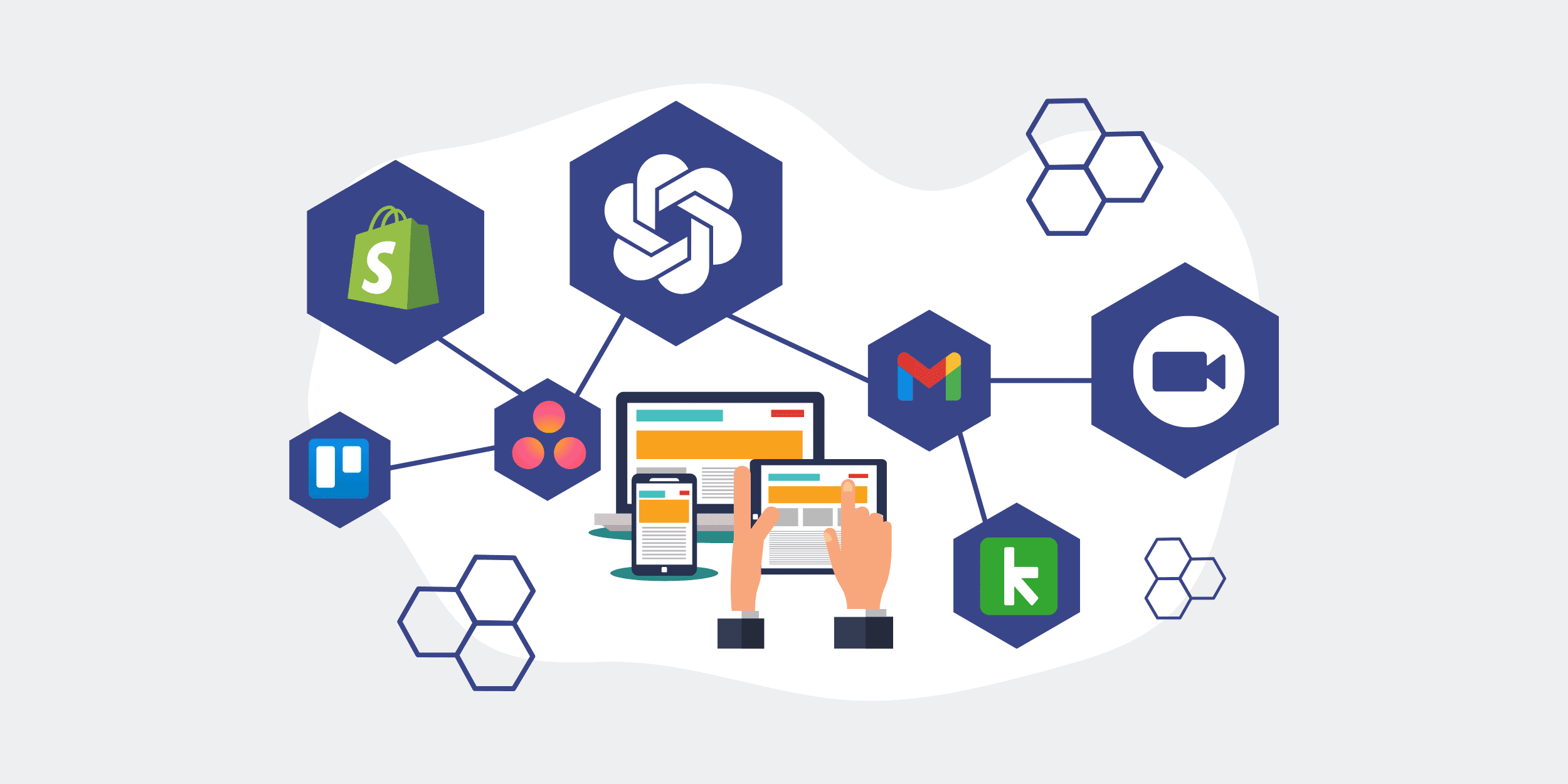
No business system operates in a vacuum, and your onboarding platform should be no exception. The true power of automation lies in its ability to connect disparate systems, creating a “single source of truth” for employee data. Your chosen software must integrate seamlessly with existing HRIS, payroll, CRM (for customer-facing roles, for instance), IT provisioning, and other crucial business applications. Solutions built with robust API capabilities, or those that leverage integration platforms like Make.com, are invaluable. They eliminate redundant data entry, reduce errors, and ensure that once data is captured, it flows effortlessly to wherever it’s needed. Without strong integration capabilities, you’re merely replacing one siloed manual process with another, albeit digital one.
Essential Considerations for Automated Onboarding Software
As you delve into the specifics, keep these critical factors in mind:
Scalability and Flexibility
Your business isn’t static, and neither should your onboarding solution be. Look for software that can grow with you, accommodating increased hiring volumes and evolving organizational structures. Flexibility is also key: can the platform be customized to reflect your unique workflows, branding, and compliance requirements, rather than forcing you into a rigid, one-size-fits-all template? The ability to easily adapt processes as your company expands or new regulations emerge will future-proof your investment.
Data Security and Compliance
Onboarding involves sensitive personal and financial data. Robust data security measures, including encryption, access controls, and regular audits, are non-negotiable. Ensure the software complies with relevant industry regulations (e.g., GDPR, CCPA, HIPAA if applicable) and provides clear audit trails. Protecting your employees’ data and maintaining compliance safeguards your organization against legal and reputational risks.
User Experience for Admins and New Hires
While often overlooked, the user experience for both administrators and new employees is paramount. For HR teams, the interface should be intuitive, allowing for easy setup, management, and reporting. For new hires, the portal should be clean, easy to navigate, and accessible from various devices. A poor user experience, regardless of powerful features, will lead to low adoption rates and continued reliance on inefficient manual workarounds.
The 4Spot Consulting Approach to Seamless Onboarding
At 4Spot Consulting, we understand that implementing new software is just one piece of a larger automation puzzle. Our OpsMesh framework emphasizes a strategic, integrated approach to automation, ensuring that your automated onboarding system doesn’t just work in isolation, but enhances your entire operational ecosystem. Through our OpsMap™ diagnostic, we meticulously uncover your specific inefficiencies and design a tailored solution that integrates seamlessly with your existing infrastructure, often leveraging powerful no-code/low-code platforms like Make.com for unparalleled connectivity. We don’t just recommend software; we build robust, AI-powered operations that eliminate human error, reduce operational costs, and significantly boost scalability, giving your high-value employees back 25% of their day. Your automated onboarding solution should be a strategic asset, not just another tool.
The right automated onboarding software, thoughtfully selected and strategically implemented, transforms a traditionally cumbersome process into a powerful differentiator. It’s an investment in efficiency, compliance, and, most importantly, in a positive and productive start for every new member of your team.
If you would like to read more, we recommend this article: The Strategic Imperative of Automation in Modern Business Operations