Minimizing New Hire Drop-Off: Proactive Strategies with Automated Workflows
The exhilaration of a new hire joining your team can quickly diminish if they don’t fully integrate, feel supported, and ultimately, stay. New hire drop-off, particularly within the first 90 days, isn’t just a regrettable statistic; it’s a significant drain on resources, time, and morale. Businesses invest heavily in recruitment, only to see that investment evaporate when a promising talent decides to seek opportunities elsewhere. At 4Spot Consulting, we understand that this isn’t merely a “people problem” but often a systemic issue that can be proactively addressed and mitigated through intelligent automation.
The traditional onboarding experience, often a patchwork of manual tasks, forgotten forms, and inconsistent communication, is a prime culprit. When a new employee faces ambiguity, a lack of clear direction, or feels disconnected from their new team, the seeds of doubt are sown. This is especially true in today’s hybrid and remote work environments, where organic interactions are less frequent. The cost extends beyond the immediate loss of a new recruit; it encompasses the time spent re-recruiting, retraining, and the intangible impact on team productivity and company culture.
Understanding the Root Causes of Early Departure
Why do new hires leave? The reasons are multifaceted, but several common themes emerge. Lack of role clarity is a huge factor; if expectations aren’t set early and clearly, employees struggle to find their footing. Inadequate training and support leave individuals feeling adrift, unable to perform effectively. A weak sense of belonging, particularly in organizations where cultural integration is left to chance, can make new team members feel like outsiders. And perhaps most critically, a poor initial experience often signals broader inefficiencies within an organization, leading employees to question their long-term fit.
Many businesses mistakenly view the onboarding process as purely administrative, focusing on paperwork rather than genuine integration. This transactional approach misses the critical window to engage, educate, and embed new talent within the fabric of the company. It’s during this crucial phase that an organization has the opportunity to reinforce its values, communicate its vision, and demonstrate its commitment to employee success. When this opportunity is fumbled, the consequences are predictable.
Automated Workflows: A Proactive Shield Against Drop-Off
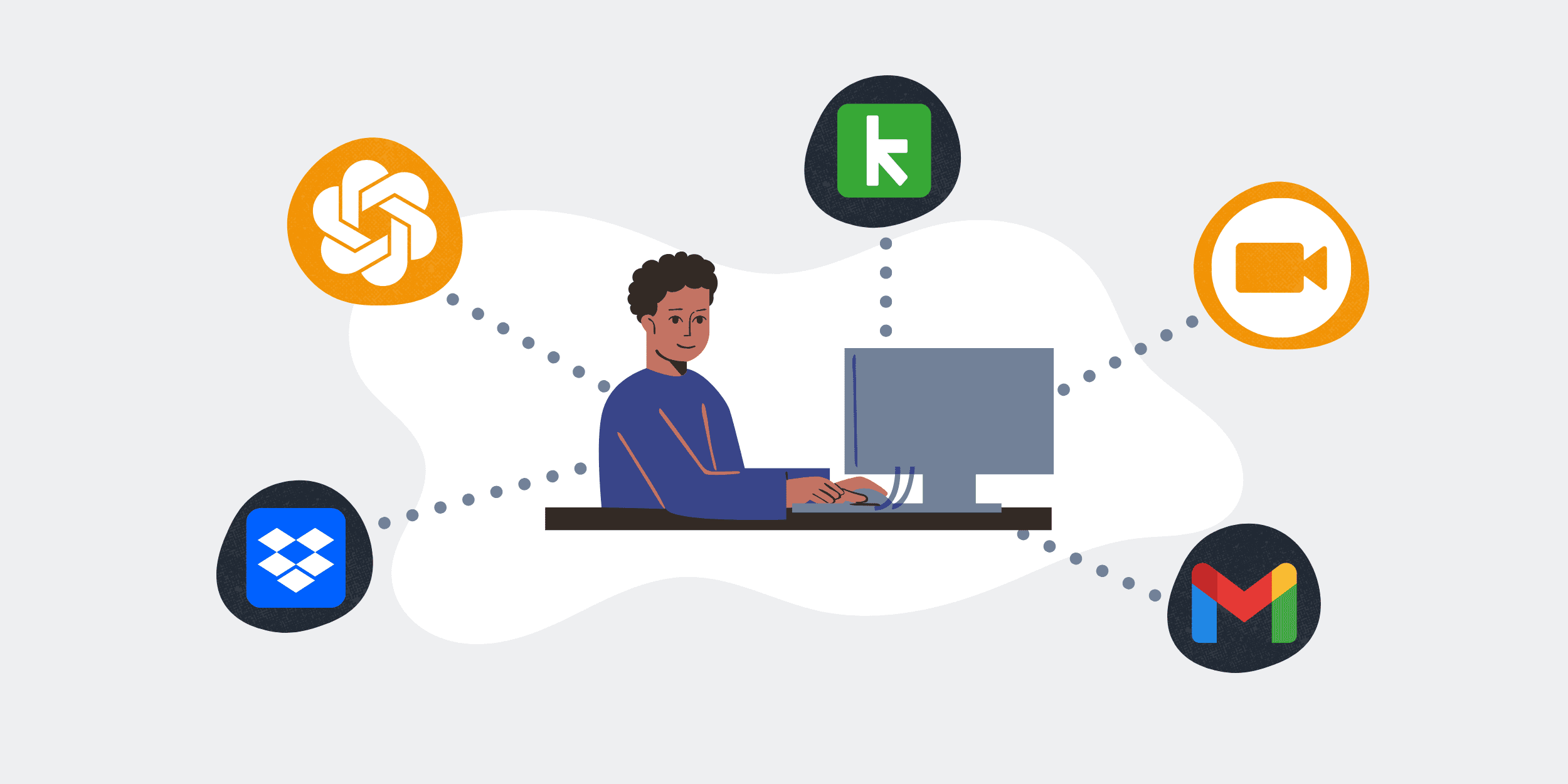
This is precisely where automated workflows, meticulously designed and implemented, become an indispensable asset. Instead of reactive damage control, businesses can employ proactive strategies that ensure every new hire receives a consistent, high-quality, and engaging onboarding experience. Our approach at 4Spot Consulting, leveraging tools like Make.com and integrating AI, transforms onboarding from a compliance checklist into a strategic advantage.
Imagine a workflow where, upon an offer acceptance, a series of automated triggers initiate a seamless sequence of events. Welcome emails are personalized and sent immediately, outlining what to expect in the coming days. Access credentials for necessary systems are provisioned automatically. A tailored training path is assigned, with progress tracked and reminders sent. Key team members receive prompts to schedule informal meet-and-greets. Even subtle touches, like automated delivery of welcome kits or virtual introductions, can make a profound difference in a new hire’s psychological contract with your company.
Streamlining Communication and Information Flow
Automated workflows ensure that vital information isn’t missed. From policies and procedures to benefits enrollment and company culture guides, everything can be delivered systematically and on time. This consistency reduces anxiety for the new hire and frees up HR and hiring managers from repetitive administrative tasks, allowing them to focus on more strategic, human-centric interactions. Think of the 150+ hours an HR tech client saved per month by automating resume intake and parsing; similar gains are possible in onboarding.
Furthermore, automation can facilitate structured check-ins. Automated surveys can gauge a new hire’s sentiment at the 30, 60, and 90-day marks, providing early warning signs of potential issues. These insights can then trigger specific interventions, perhaps a mentorship assignment or a direct conversation with a manager, preventing small concerns from escalating into reasons for departure. This continuous feedback loop is critical for refining the onboarding experience and ensuring its ongoing effectiveness.
Building a Foundation for Engagement and Retention
Our OpsBuild framework is designed to implement these kinds of robust, interconnected systems. We don’t just build automations; we engineer comprehensive solutions that address the core challenges faced by high-growth B2B companies. By eliminating the manual drudgery and human error often associated with onboarding, we help businesses create an environment where new hires feel valued, supported, and quickly become productive contributors. This translates directly into improved retention rates and a stronger, more stable workforce.
Minimizing new hire drop-off isn’t about magical solutions; it’s about strategic planning and the intelligent application of technology. By adopting automated workflows, organizations can move beyond reactive problem-solving to proactive retention strategies, saving significant time, money, and preserving the valuable talent they worked so hard to attract. It’s about ensuring that the investment in a new hire yields its full, intended return, right from day one.
If you would like to read more, we recommend this article: The Ultimate Guide to HR & Recruiting Automation for High-Growth Companies