Beyond Backup: Automating Keap Data Syncs for a True Single Source of Truth
In today’s fast-paced business environment, data is the lifeblood of decision-making and growth. Yet, for many high-growth B2B companies, critical information remains fragmented across disparate systems. The promise of a Customer Relationship Management (CRM) platform like Keap is to centralize these interactions, but without a strategic approach to data synchronization, even the most robust CRM can fall prey to the dreaded “single source of truth” myth. Businesses often invest heavily in their CRM, only to find their teams still wrestling with outdated records, manual data entry, and the inevitable errors that come with it. This isn’t just an inconvenience; it’s a direct drag on efficiency, sales effectiveness, and overall operational scalability.
The Illusion of “Good Enough” Data Management
Many organizations believe that simply backing up their Keap data is sufficient for data integrity. While backups are crucial for disaster recovery, they do little to ensure the *accuracy* and *currency* of information across your active operational systems. Imagine a scenario where a sales rep updates a client’s contact information in Keap, but that change isn’t reflected in your invoicing system, your project management tool, or your marketing automation platform. This creates data silos in real-time, leading to confusion, duplicate efforts, and a fractured customer experience. The “good enough” approach to data management often overlooks the constant flux of business data, requiring a proactive, automated strategy rather than a reactive one.
Why Your Keap CRM Deserves a Unified Data Strategy
Keap is a powerful platform designed to manage customer relationships, automate marketing, and streamline sales processes. It possesses the inherent capability to become the central nervous system of your business’s customer data, a true single source of truth. However, its full potential is only unlocked when it’s seamlessly integrated with every other system that touches customer or operational data—from HR and recruiting platforms that feed new contact information, to telephony systems logging interactions, to document management tools storing critical contracts. Without this unification, Keap becomes just another database, albeit a powerful one, rather than the authoritative hub it’s meant to be.
The Hidden Costs of Disconnected Data
The financial and operational repercussions of a fragmented data landscape are often underestimated. Companies lose countless hours to manual data reconciliation, correcting errors, and chasing down the “right” version of information. This isn’t low-value work; it’s high-value employees performing tasks that could and should be automated, diverting their focus from strategic initiatives that drive revenue. Beyond efficiency, disconnected data leads to missed sales opportunities due to outdated lead information, inaccurate reporting that hinders strategic decision-making, and potential compliance risks when data isn’t uniformly managed across all touchpoints. These aren’t abstract problems; they are concrete barriers to profitability and growth.
4Spot Consulting’s Approach: Automating Keap for Unrivaled Data Integrity
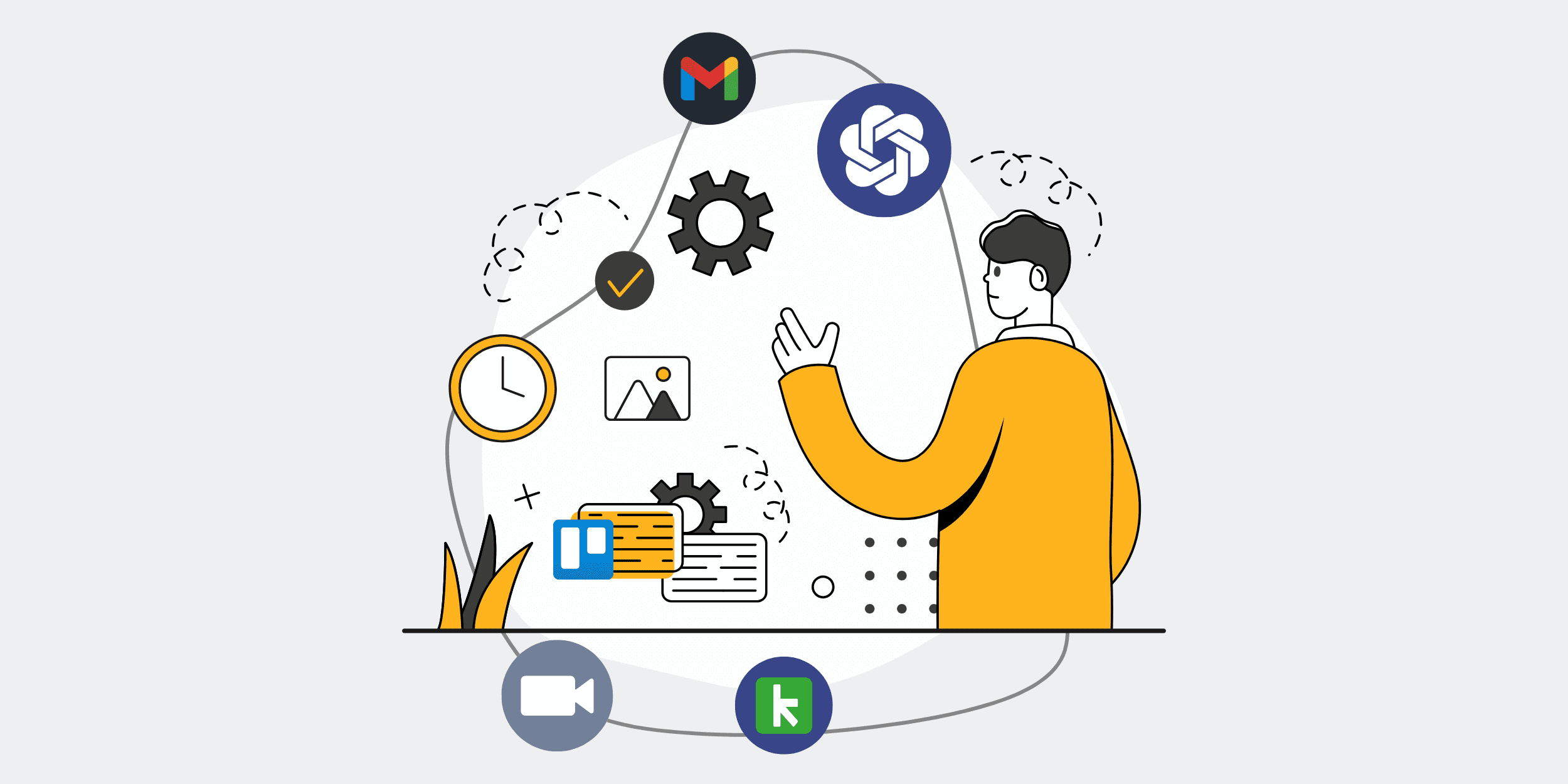
At 4Spot Consulting, we understand that true data integrity goes far beyond simple backups. Our methodology focuses on creating an intelligent, automated ecosystem where Keap functions as the dynamic, authoritative single source of truth for your business. We leverage advanced low-code automation platforms like Make.com to orchestrate real-time, bidirectional data synchronization between Keap and your entire suite of business applications. This means that when a change is made in one system—be it a new hire in your HR platform, an updated client address from a support ticket, or a project milestone completed in your task manager—that information is automatically and accurately reflected in Keap, and vice versa, without human intervention.
Our expertise lies in designing and implementing these complex integrations, ensuring data consistency, eliminating redundancies, and eradicating the errors that plague manual processes. This strategic approach liberates your high-value employees from the drudgery of data entry and reconciliation, allowing them to focus on what they do best: driving your business forward. We don’t just build connections; we build resilient, self-maintaining data pipelines that ensure your Keap instance is always populated with the most current and accurate information, empowering your teams with reliable insights and streamlining every operational facet.
From Silos to Synergy: The OpsMesh™ Advantage
Our proprietary OpsMesh™ framework is at the heart of how we transform disconnected data into a unified, synergistic system. OpsMesh isn’t just about connecting apps; it’s a comprehensive strategy for creating an interconnected operational fabric where Keap sits at the center, communicating flawlessly with all other critical systems. Through OpsMesh, we analyze your entire data flow, identify pain points, and then design and implement automations that ensure data integrity, automate workflows, and provide a holistic view of your business operations. This framework ensures that your Keap CRM isn’t an island, but a fully integrated component of a larger, highly efficient ecosystem, reducing operational costs and significantly boosting scalability.
Tangible Outcomes: What a Unified Keap Means for Your Business
The impact of automating your Keap data synchronization extends across your entire organization. Imagine a sales team armed with real-time customer history, enabling personalized interactions that close deals faster. Picture an operations team no longer bogged down by manual updates, freeing up 25% of their day for more strategic tasks. Envision management making decisions based on truly accurate, comprehensive data, leading to more effective strategies and a clearer path to growth. This strategic shift translates directly into substantial time savings, reduced human error, enhanced data security, and a significant improvement in overall operational efficiency and profitability. It means moving from reactive problem-solving to proactive, intelligent business management.
If you would like to read more, we recommend this article: The Foundation of Scalability: Building Your Business’s Single Source of Truth