The Hidden Costs of Manual Client Management in B2B and How Automation Eradicates Them
In the relentless pursuit of growth, B2B companies often focus heavily on client acquisition, yet the vital, ongoing process of client management frequently remains a patchwork of manual tasks. While seemingly innocuous, these inefficiencies accumulate, draining resources, introducing errors, and ultimately stifling the very growth they aim to support. It’s an invisible tax on your organization, paid in wasted hours, missed opportunities, and a diluted client experience.
Business leaders who understand the value of every minute and every dollar know that scaling effectively isn’t just about winning new clients; it’s about serving them efficiently, consistently, and profitably. Without a strategic approach, your most valuable employees find themselves trapped in low-value administrative work, preventing them from focusing on high-impact initiatives that truly move the needle for your clients and your company.
The Invisible Drain: Why Manual Processes Undermine B2B Growth
Consider the journey a new client takes with your organization. From initial contact to onboarding, project execution, and ongoing support, each interaction presents a multitude of data points and communication touchpoints. When these are handled manually, the cracks begin to show:
Client Onboarding: A First Impression, or a First Friction Point?
The first few weeks with a new client are critical. Manual onboarding often involves a flurry of emails, document exchanges, and data entry across disparate systems. This process is ripe for human error, leading to incomplete profiles, delayed project kick-offs, and a frustrating experience for the client. Your team spends countless hours chasing information, manually creating accounts, and ensuring legal documents are correctly filed. This isn’t just inefficient; it delays revenue recognition and undermines the professional image you strive to project.
Sustained Engagement: The Challenge of Consistent Communication
Beyond onboarding, maintaining consistent, personalized communication with a growing client base becomes a monumental task. Manual check-ins, reporting, and follow-ups are time-intensive and prone to oversight. Key deadlines might be missed, important updates overlooked, or client queries delayed because a team member is swamped with administrative tasks. The result? Clients feel less valued, and opportunities for upselling or cross-selling are often missed, directly impacting your bottom line and client retention rates.
Data Integrity and Reporting: Building on Shaky Ground
When client data lives in spreadsheets, scattered email threads, and various disconnected platforms, achieving a single source of truth becomes impossible. Manual data entry is a leading cause of inconsistencies and errors, making it difficult to generate accurate reports, forecast revenue, or understand client health. Strategic decisions based on flawed data can be costly, leading to misallocated resources or missed market shifts. High-value employees are then tasked with reconciliation instead of innovation.
The 4Spot Consulting Solution: Orchestrating Efficiency with OpsMesh
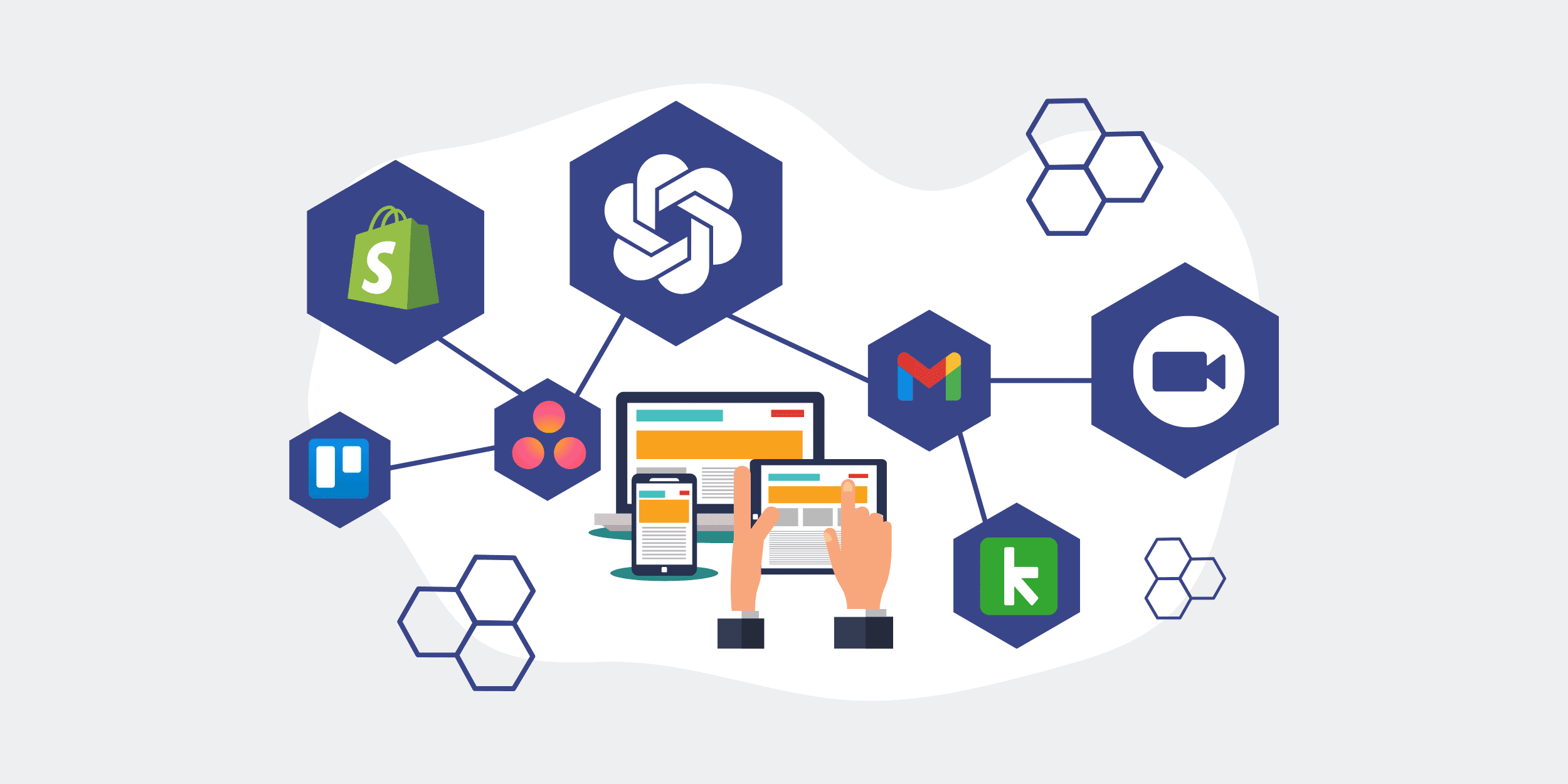
At 4Spot Consulting, we understand these challenges because we’ve helped numerous B2B companies overcome them. Our approach is not about simply adding more tools; it’s about strategic integration and automation, creating an OpsMesh™ that connects your systems and workflows seamlessly. We eliminate the manual busywork, freeing your team to focus on what they do best: serving clients and driving strategic growth.
From Chaos to Clarity: The OpsMap™ Diagnostic
Our process begins with the OpsMap™ – a strategic audit designed to uncover every inefficiency and automation opportunity within your client management lifecycle. We deep-dive into your existing processes, identify bottlenecks, and map out a tailored strategy to streamline operations, reduce human error, and enhance scalability. This isn’t a theoretical exercise; it’s a pragmatic blueprint for tangible results.
Building Bridges: Implementing Your Automated Client Ecosystem
Following the OpsMap™, our OpsBuild™ phase brings the strategy to life. Leveraging powerful low-code automation platforms like Make.com, we connect your CRM (Keap, HighLevel), document management systems (PandaDoc), communication tools, and internal databases. Imagine a system where a new client’s information automatically flows from your intake form into your CRM, triggers contract generation, sets up a personalized onboarding sequence, and schedules follow-up communications – all without a single manual touch. This is the reality we build for our clients.
Just as we’ve helped an HR tech client save over 150 hours per month by automating their resume intake and parsing process using Make.com and AI enrichment, similar principles apply directly to client management. Imagine automating initial client data capture, contract generation, and setting up tailored communication flows within your CRM. This isn’t theoretical; it’s what we implement, enabling you to reduce operational costs, eliminate human error, and increase scalability.
Reclaiming Your Day: The ROI of Automated Client Management
The return on investment for automating client management is significant. You’ll see a dramatic reduction in operational costs as administrative hours are slashed. Client satisfaction and retention will soar due to consistent, proactive communication and a frictionless experience. Your high-value employees will be empowered to focus on strategic initiatives, innovation, and direct client value delivery. Ultimately, automation transforms your client management from a cost center into a powerful engine for sustainable growth.
Ready to uncover automation opportunities that could save you 25% of your day and revolutionize your client relationships? Book your OpsMap™ call today.
If you would like to read more, we recommend this article: The Strategic Imperative: Unlocking Business Growth with AI and Automation