Beyond the Inbox: Automating Your Communication to Reclaim Focus and Drive Growth
In today’s hyper-connected business landscape, communication is often lauded as the lifeblood of an organization. Yet, for many high-growth B2B companies, the sheer volume and fragmentation of internal and external communications have transformed this vital flow into a relentless deluge. Leaders and their teams find themselves drowning in a sea of emails, chat messages, project updates, and notifications across a dozen different platforms. This isn’t just a minor annoyance; it’s a silent killer of productivity, focus, and ultimately, your company’s ability to scale effectively.
The promise of digital communication was to streamline interactions, but without a strategic approach to managing it, the opposite has often occurred. Every notification pulls focus, every unread message adds to cognitive load, and every missed piece of information creates a potential bottleneck. High-value employees, who should be focused on strategic initiatives and driving revenue, spend an inordinate amount of time sifting through irrelevant data or manually relaying information that should flow autonomously. This isn’t just about reducing inbox clutter; it’s about fundamentally reshaping how information moves through your organization to empower your team and accelerate your growth trajectory.
The Hidden Costs of Fragmented Communication
When communication channels are disparate and manual interventions are required to connect them, the inefficiencies compound rapidly. Consider the typical B2B workflow: a lead comes in via a web form, triggers an email notification, which then requires a team member to manually update a CRM, schedule a follow-up, and perhaps send an introductory message through a separate chat application. Each step is a potential point of failure, a drain on time, and an opportunity for human error. Multiply this across dozens or hundreds of daily interactions, and the cumulative impact is staggering.
This fragmentation directly impacts your bottom line. It leads to slower response times, missed opportunities, and a diminished customer experience. Internally, it creates information silos, fosters frustration among employees who feel overwhelmed by context switching, and hinders cross-departmental collaboration. Strategic decisions are delayed because crucial data is scattered, and innovation is stifled when your most talented individuals are trapped in reactive, low-value administrative tasks. The energy wasted on managing communications manually is energy diverted from scaling your operations, optimizing your services, and innovating for your clients.
Reclaiming Employee Focus and Productivity
One of the most profound benefits of automating communication workflows is the ability to reclaim your team’s most valuable asset: their focus. When routine communications, data transfers, and notifications are handled autonomously, employees are freed from the constant interruption and the mental overhead of remembering “who needs to know what, and when.” This isn’t about eliminating human interaction, but rather elevating it to where it matters most – in strategic discussions, client engagement, and creative problem-solving.
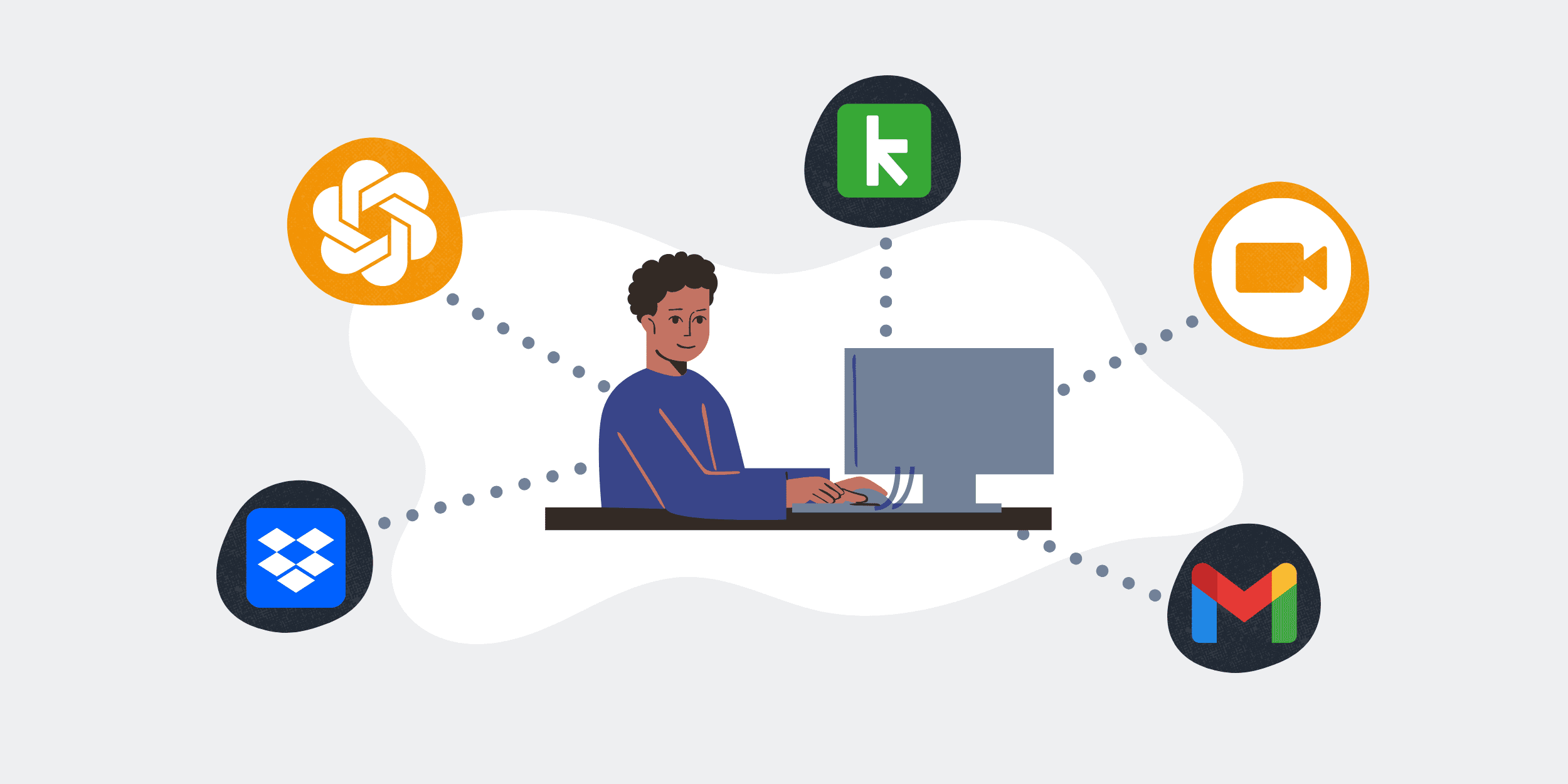
Imagine a scenario where a new client onboarding doesn’t involve five separate emails and three manual data entries. Instead, the moment a contract is signed in PandaDoc, a notification is automatically sent to the relevant team in Slack, a new client folder is created in your document management system, and all relevant details are synced to your CRM like Keap or HighLevel. This holistic approach, often facilitated by robust integration platforms like Make.com and AI-powered tools, ensures that information flows seamlessly and reliably, without a human touchpoint until strategic action is required. This shift not only saves hours but also drastically reduces the potential for costly errors, ensuring a smoother, more professional experience for both your team and your clients.
Building a Unified Communication Fabric with Automation and AI
At 4Spot Consulting, our OpsMesh framework is designed precisely to address this challenge. We don’t just connect tools; we architect a unified communication fabric that ensures information flows efficiently, accurately, and autonomously across your entire operational ecosystem. This begins with an OpsMap diagnostic, where we meticulously uncover the exact points of friction in your current communication workflows, identifying where manual effort is bottlenecking your growth and where automation can deliver the most significant ROI.
Our approach leverages platforms like Make.com to integrate disparate systems, ensuring that your CRM speaks to your project management tool, your email platform updates your internal chat, and your HR systems communicate seamlessly with your onboarding processes. Furthermore, we integrate AI to intelligently process and route communications, summarize lengthy threads, or even draft initial responses, significantly reducing the burden on your team. This isn’t about replacing human judgment but augmenting it, allowing your high-value employees to operate at the peak of their capabilities.
The result is a transformative shift: instead of reacting to an endless stream of fragmented messages, your team gains control over their digital environment. They receive information when and where it’s most relevant, pre-processed and ready for action. This strategic automation eliminates the drudgery of low-value work, giving your team back a significant portion of their day—often 25% or more—to focus on the activities that truly drive business success and innovation. For instance, we’ve helped HR firms save over 150 hours per month by automating resume intake and parsing, proving that a well-designed communication automation strategy isn’t just about efficiency; it’s about unlocking exponential growth.
In an era where every minute counts, reclaiming your team’s focus from the chaos of fragmented communication isn’t a luxury—it’s a strategic imperative. By building an intelligent, automated communication infrastructure, you not only eliminate human error and reduce operational costs but also empower your employees to thrive and your business to scale without limits.
If you would like to read more, we recommend this article: Mastering Operational Automation: A Blueprint for B2B Growth