The Silent Erosion: How Manual Processes Steal B2B Productivity and How Automation Provides the Cure
In the fast-paced world of B2B operations, time truly is money. Yet, many organizations remain shackled by manual processes that silently erode productivity, introduce costly errors, and hinder scalability. From the repetitive entry of customer data into a CRM like Keap to the painstaking management of recruiting pipelines, these analog workflows aren’t just inefficient—they’re a significant drag on your bottom line and the morale of your most valuable employees. The fundamental challenge for businesses aiming for sustainable growth isn’t always about finding new revenue streams; often, it’s about plugging the leaks in the operational bucket they already have.
The insidious nature of manual work lies in its normalcy. It’s “just how we’ve always done it.” But in an era where AI and advanced automation tools are readily available, clinging to outdated methodologies is no longer a sustainable strategy—it’s a competitive disadvantage. Consider the hidden costs: the hours spent on tasks that could be automated, diverting high-value employees from strategic initiatives; the inevitable human errors that lead to rework, customer dissatisfaction, and compliance risks; and the sheer inability to scale operations without a proportional increase in headcount and expense. These aren’t minor inconveniences; they are tangible obstacles preventing B2B companies from reaching their full potential.
The True Cost of Manual Labor: More Than Just Salaries
When assessing the impact of manual processes, it’s easy to focus solely on the wages paid to staff performing these tasks. However, the financial footprint extends far beyond payroll. Each manual touchpoint is an opportunity for error, a delay in service delivery, and a drain on mental capital. Imagine a recruiting firm manually sifting through thousands of resumes, extracting data, and entering it into their system. This isn’t just slow; it’s a bottleneck that delays hiring, potentially costing the company top talent that goes elsewhere. It’s a prime example of low-value work consuming high-value time.
Beyond the direct costs, there’s the opportunity cost. What strategic projects are being delayed because your team is bogged down with administrative minutiae? What market insights are being missed because data isn’t consolidated and analyzed efficiently? A company focused on growth needs its leadership and skilled professionals to be innovating, building relationships, and strategizing—not spending their days copy-pasting between spreadsheets or correcting data inconsistencies across disparate systems. The cumulative effect of these inefficiencies can amount to millions in lost revenue and stunted growth annually.
The Human Element: Burnout and Disengagement
It’s not just about dollars and cents; it’s also about your people. Repetitive, manual tasks are notorious for leading to employee burnout and disengagement. When intelligent, creative individuals are tasked with mind-numbing data entry or procedural tasks that offer little challenge or growth, their motivation wanes. This can lead to higher turnover rates, diminished productivity, and a negative workplace culture. Retaining top talent is critical for any B2B organization, and providing them with tools that free them from drudgery to focus on impactful work is a powerful retention strategy. Automation isn’t about replacing people; it’s about empowering them to do more meaningful work.
4Spot Consulting: Your Blueprint for an Automated Future
At 4Spot Consulting, we understand these challenges intimately because we’ve helped countless B2B companies—from HR and recruiting firms to legal and business service providers—overcome them. Our approach is not about simply buying more software; it’s about strategic transformation. We begin with our OpsMap™ diagnostic, a deep dive into your existing workflows to identify critical inefficiencies and pinpoint precise automation opportunities that deliver the highest ROI. This isn’t a theoretical exercise; it’s a practical roadmap based on decades of operational leadership experience.
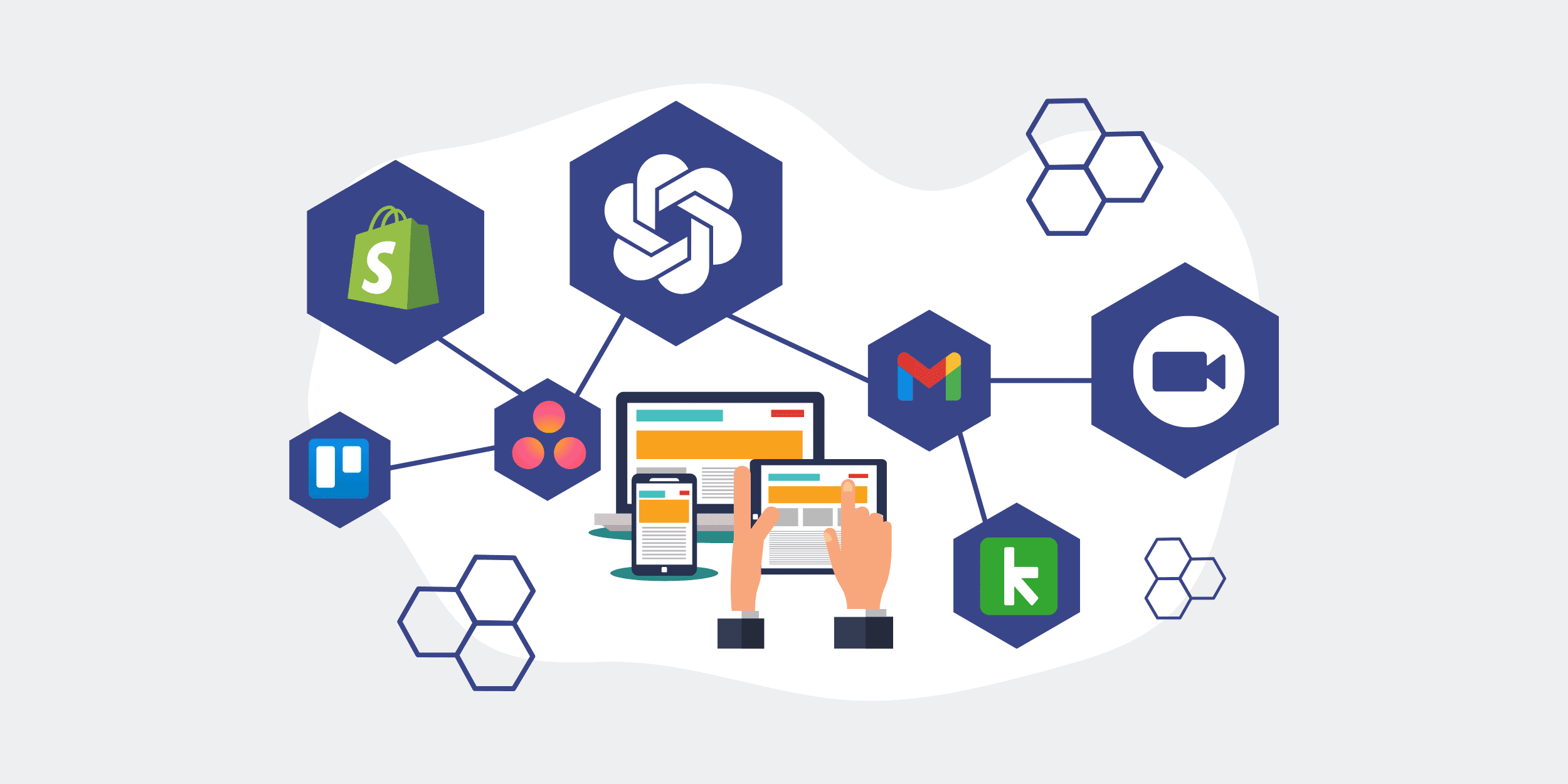
Leveraging powerful, flexible platforms like Make.com, we orchestrate seamless integrations between your mission-critical applications—whether it’s syncing data between Keap and a document generation tool like PandaDoc, automating candidate screening with AI, or streamlining client onboarding. We build robust OpsMesh™ systems that eliminate human error, ensure a single source of truth for your data, and significantly reduce operational costs. Our expertise spans everything from AI-powered operations to comprehensive CRM data backup, ensuring your business is not just efficient, but resilient.
Reclaiming Your Day: Real-World Impact
The results speak for themselves. We’ve seen clients reclaim upwards of 25% of their day, redirecting that time towards strategic growth and innovation. Imagine an HR tech firm saving over 150 hours a month by automating their resume intake and parsing processes, feeding enriched candidate data directly into their CRM without a single manual keystroke. This isn’t just an efficiency gain; it’s a competitive advantage that allows them to move faster, service clients better, and grow their business without proportionate increases in overhead.
Our commitment extends beyond implementation with OpsCare™, providing ongoing support and optimization to ensure your automation infrastructure evolves with your business needs. We believe every B2B company deserves to operate at peak efficiency, freeing its talent to focus on what truly matters: driving value for customers and achieving strategic objectives. Don’t let manual processes continue to silently drain your resources. It’s time to embrace the future of work.
Ready to uncover automation opportunities that could save you 25% of your day? Book your OpsMap™ call today.
If you would like to read more, we recommend this article: The Automation Imperative: Why Ignoring Workflow Optimization is Costing Your Business Millions