Preventing Data Silos: Integrating Keap Backups with Other Systems
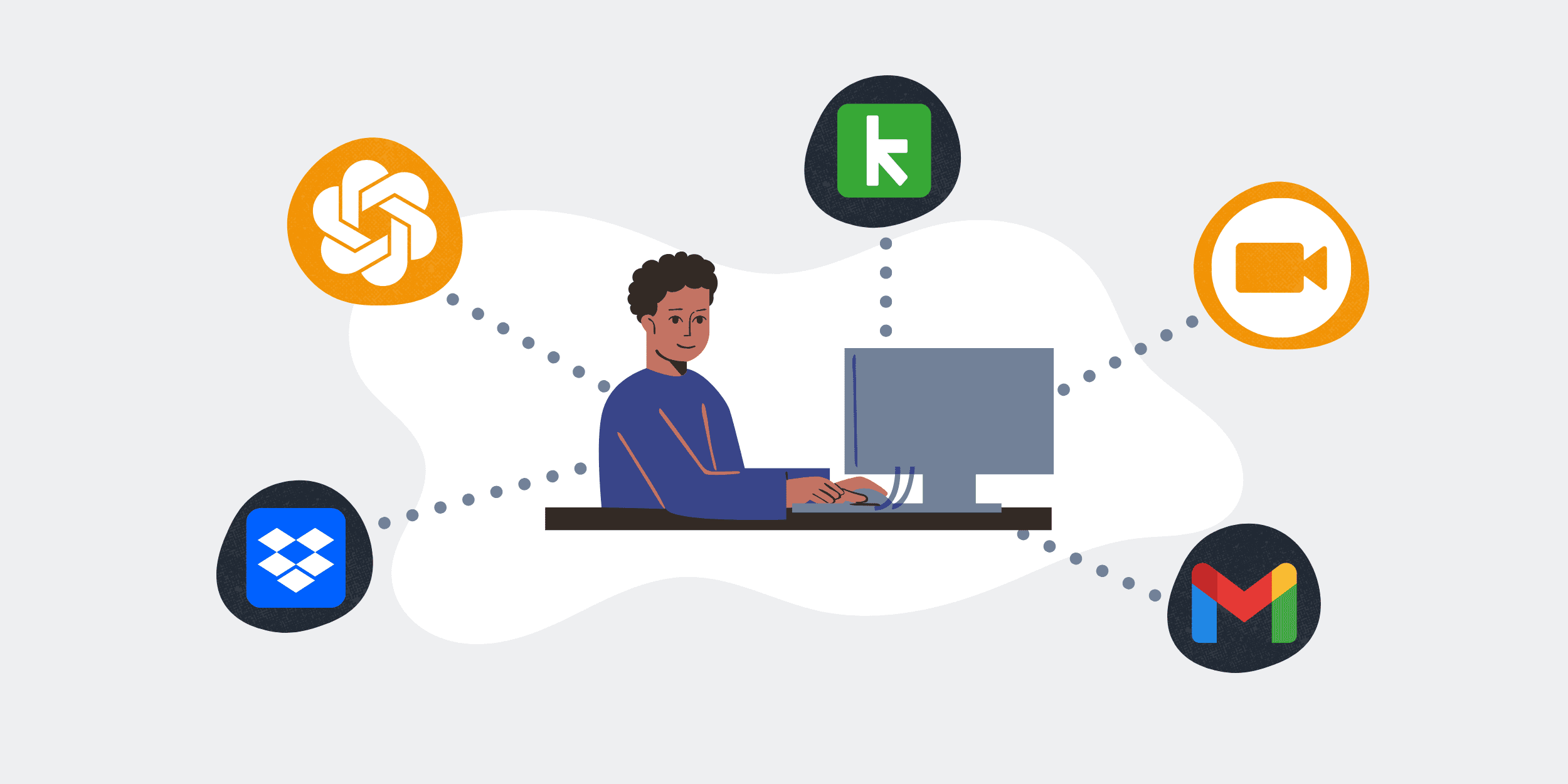
In today’s fast-paced business environment, data is a critical asset powering decisions, strategies, and growth. For businesses leveraging Keap, their CRM data represents the lifeblood of customer relationships, sales pipelines, and marketing efforts. Yet, a common pitfall that undermines this valuable resource is the proliferation of data silos. These isolated pockets of information can cripple operational efficiency, obscure vital insights, and introduce significant risks, especially concerning data recovery and business continuity.
At 4Spot Consulting, we frequently encounter organizations grappling with disconnected systems, where their Keap data, even if diligently backed up, remains isolated from other crucial business applications. This isn’t just an inconvenience; it’s a fundamental barrier to scalability and accurate decision-making. The challenge isn’t merely to back up your Keap data; it’s to integrate that backed-up data intelligently into your broader operational ecosystem, transforming it from a static archive into a dynamic, accessible, and actionable asset.
The Hidden Cost of Disconnected Keap Data
A data silo arises when data is stored in one system without being easily accessible or shareable with others. In the context of Keap, this might mean your customer contact details, purchase history, or communication logs are meticulously recorded and backed up, but remain isolated from your accounting software, project management tools, or even your HR system. The immediate consequence is often duplication of effort, as teams manually transfer data or work with incomplete information.
Beyond inefficiency, the costs escalate rapidly. Disconnected Keap data can lead to:
- Inaccurate Reporting: Without a holistic view, marketing ROI is hard to measure, sales forecasts are unreliable, and customer success metrics are skewed.
- Missed Opportunities: Cross-selling and up-selling opportunities are overlooked when customer insights aren’t shared across departments.
- Compliance Risks: Data privacy regulations become harder to manage when customer data is scattered and inconsistent.
- Slow Recovery: In the event of data loss, a backup is only useful if it can be quickly and accurately restored and re-integrated into all necessary operational flows.
Your Keap CRM isn’t just a database; it’s a central nervous system for your customer interactions. Allowing its data to exist in isolation, even in backup form, is akin to letting one arm of your business operate without communication from the rest of the body.
Beyond Simple Backups: The Integration Imperative
Many businesses understand the importance of backing up their Keap data. They might have automated exports, cloud storage solutions, or specialized backup services. While these are vital first steps, they address only half the problem. A simple backup, if not integrated, becomes another silo—a safety net that exists in isolation. The true value comes from making that backup data not just restorable, but also seamlessly part of a larger, interconnected data landscape.
Imagine a scenario where a lead comes into Keap, progresses through your sales pipeline, makes a purchase, and becomes a client. Each stage generates valuable data. If this data, even when backed up, doesn’t flow to your accounting system to generate invoices, or to a project management tool for service delivery, or to a marketing platform for post-purchase engagement, you’re missing out. An integrated backup strategy ensures that even if your primary Keap instance faces an issue, the recovered data can flow directly and accurately into all dependent systems, maintaining a “single source of truth” across your enterprise.
Key Systems to Integrate Keap Backups With
To truly prevent data silos and maximize the value of your Keap data, consider integrating its backups with:
- Financial & Accounting Systems: Ensure seamless reconciliation of sales data, invoices, and payment records with platforms like QuickBooks or Xero. This eliminates manual data entry, reduces errors, and speeds up financial reporting.
- Marketing Automation Platforms: If you use other marketing tools alongside Keap, integrate customer segmentation, campaign performance, and lead scoring data for consistent messaging.
- HR & Recruiting Systems: For businesses managing internal staff or candidates within Keap, integrating with dedicated HRIS or ATS systems ensures accurate employee records and streamlines processes.
- Reporting & Business Intelligence Tools: Connect your Keap data to platforms like Google Data Studio, Power BI, or Tableau for comprehensive dashboards, real-time analytics, and data-driven insights.
- Document & File Management Solutions: Link customer contracts, proposals, support tickets, and other critical documents stored in Keap to cloud storage services like Google Drive or Dropbox for easy retrieval.
How to Achieve Seamless Keap Backup Integration
Achieving this level of integration requires a strategic approach to your entire data architecture. At 4Spot Consulting, our OpsMap™ diagnostic helps businesses identify critical data flows and pinpoint where silos are costing them the most.
Leveraging Automation Platforms like Make.com
The linchpin of successful data integration for Keap and its backups is often a robust no-code/low-code automation platform like Make.com. Make.com acts as the intelligent bridge, enabling the extraction, transformation, and loading (ETL) of data between Keap and virtually any other web-based application with an API. This allows for:
- Automated Data Sync: Regularly move key Keap data points to other systems, ensuring consistency.
- Conditional Logic: Set up rules for when and how data should be transferred, ensuring only relevant information is shared.
- Error Handling: Design automated processes to identify and flag discrepancies or failures in data transfer.
Instead of manual CSV exports, Make.com facilitates real-time or near real-time data synchronization, ensuring your Keap backup strategy isn’t just about recovery, but about continuous, reliable data availability across your entire tech stack.
The 4Spot Consulting Approach: Building an OpsMesh for Your Keap Data
At 4Spot Consulting, our OpsMesh™ framework is designed to dismantle data silos and create a seamlessly interconnected operational ecosystem. We don’t just back up your Keap data; we integrate it. Through our OpsMap™ audit, we strategically uncover inefficiencies and outline a clear roadmap for automation. Our OpsBuild™ phase then brings these integrations to life, leveraging Make.com to connect Keap with dozens of other SaaS systems.
The result? Not only are your Keap backups robust and reliable, but the data itself becomes exponentially more valuable. You eliminate human error, reduce operational costs, and unlock unprecedented scalability. Your high-value employees are freed from low-value, repetitive data tasks, allowing them to focus on strategic initiatives that drive revenue and growth. This strategic-first approach ensures every integration decision is tied to tangible ROI and measurable business outcomes.
Don’t let your Keap data become another isolated island in your business operations. Embrace an integrated approach to backups and data management, and transform your data into a powerful engine for continuous growth and resilience.
If you would like to read more, we recommend this article: Mastering Keap CRM Data Recovery: Avoid Mistakes & Ensure Business Continuity