Automating Data Management for High-Growth B2B Companies: Beyond the Spreadsheet
In today’s rapidly evolving business landscape, high-growth B2B companies often find themselves at a critical juncture. The very success that propels them forward can simultaneously create an unseen Achilles’ heel: fragmented and inefficient data management. What begins as a simple spreadsheet for tracking leads or project statuses quickly multiplies into a labyrinth of disparate systems, manual data entry, and a constant battle against human error. This isn’t just an administrative headache; it’s a significant drag on scalability, profitability, and the ability to make data-driven decisions.
At 4Spot Consulting, we observe this challenge repeatedly across industries like HR, recruiting, and business services. Leaders are acutely aware of the problem but often lack a clear, actionable strategy to consolidate their data, automate its flow, and transform it into a reliable asset. The promise of a “single source of truth” remains elusive when data resides in various CRMs, ATS platforms, project management tools, and countless local documents, each demanding manual reconciliation.
The Hidden Costs of Disconnected Data
The immediate consequence of poor data management is a substantial waste of high-value employee time. Imagine your top recruiters or operational managers spending hours each week manually transferring information, double-checking entries, or chasing down missing details. This isn’t just inefficient; it’s an expensive misallocation of talent. Beyond the payroll implications, disconnected data leads to:
Operational Inefficiencies and Bottlenecks
When critical information isn’t readily available or consistently updated across systems, workflows grind to a halt. A client onboarding might stall because sales data isn’t seamlessly pushed to the project management system. A recruiting process might suffer from duplicate candidate entries or overlooked resumes because the ATS and CRM aren’t synchronized. These bottlenecks don’t just delay processes; they erode client satisfaction and hinder your ability to scale operations effectively.
Increased Risk of Human Error
Manual data entry is inherently prone to error. A single misplaced digit, an incorrect field selection, or a forgotten update can cascade through an entire system, leading to inaccurate reports, flawed decisions, or compliance issues. For B2B companies handling sensitive client information or managing complex HR processes, even minor errors can have significant financial and reputational repercussions. This risk is amplified as your team grows and more hands touch the data.
Impeded Strategic Decision-Making
Data is the fuel for informed decisions. But what happens when that data is unreliable, incomplete, or siloed? Leaders find themselves making choices based on gut feelings or outdated information, rather than a clear, unified view of their business. Understanding customer lifetime value, identifying performance trends, or forecasting future growth becomes a complex, often impossible, task without a cohesive data strategy. This inability to leverage data effectively means missed opportunities and slower adaptation to market changes.
Building Your Single Source of Truth with Automation and AI
The solution isn’t to buy more software; it’s to strategically connect and automate the systems you already have, creating a cohesive data ecosystem. At 4Spot Consulting, our OpsMesh framework is designed precisely for this. We start with an OpsMap™, a strategic audit to uncover your specific data bottlenecks and identify the most impactful automation opportunities. Our approach is never about “tech for tech’s sake”; it’s always tied to clear ROI and tangible business outcomes.
Leveraging Low-Code Platforms for Seamless Integration
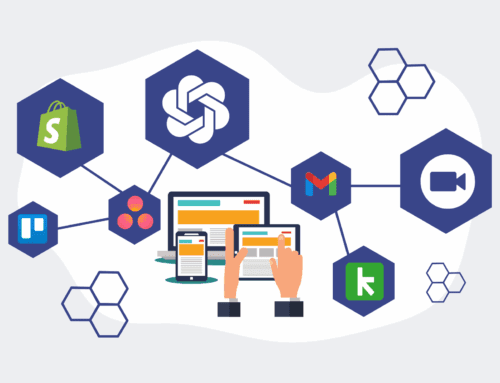
Tools like Make.com are central to our OpsBuild phase. They act as the central nervous system, connecting disparate applications such as Keap CRM, HRIS platforms, document management systems, and other proprietary tools. This creates automated workflows that ensure data flows accurately and instantly between systems. Imagine a new lead in your CRM automatically creating a project in your project management tool, or a signed contract in PandaDoc triggering an update in your client database. This is the power of true integration.
The Role of AI in Data Enrichment and Organization
Beyond simple data transfer, AI plays a transformative role in managing complex data. We use AI to enrich data, parse unstructured information from documents like resumes, and ensure consistency across platforms. For instance, in recruiting, AI can extract key skills and experiences from diverse resume formats and standardize them before syncing to your CRM, creating a cleaner, more searchable dataset. This not only saves hundreds of hours but also significantly improves the quality and utility of your data.
Ongoing Optimization and Support
Our commitment extends beyond initial implementation. Through OpsCare, we provide ongoing support, optimization, and iteration. The business world doesn’t stand still, and neither should your automation infrastructure. We ensure your systems continue to perform optimally, adapt to new requirements, and evolve with your growth, guaranteeing your data remains a strategic asset.
By transforming fragmented data into a strategic, automated asset, high-growth B2B companies can save significant time (often 25% of their day), eliminate human error, and unlock new levels of scalability and insight. This isn’t just about efficiency; it’s about empowering your high-value employees to focus on what truly matters: driving innovation, fostering client relationships, and accelerating growth.
If you would like to read more, we recommend this article: The Comprehensive Guide to Business Automation for Scalable Growth