Beyond Spreadsheets: Automating HR Data Management for Scalable Growth
For many B2B companies eyeing significant growth, the HR department often remains an unexpected bottleneck. While sales and marketing embrace cutting-edge automation, HR frequently grapples with outdated systems, manual data entry, and a reliance on spreadsheets that simply can’t keep pace with a scaling workforce. This isn’t just an inefficiency; it’s a silent drain on resources, stifling your ability to recruit, onboard, and manage talent effectively. At 4Spot Consulting, we understand that true scalability hinges on eliminating these manual shackles and empowering your HR teams with intelligent automation.
The Hidden Costs of Manual HR Processes
The impact of manual HR data management extends far beyond the obvious time sink. Each piece of information manually entered, updated, or transferred across disparate systems introduces a significant risk of human error. This isn’t a criticism of dedicated HR professionals; it’s a recognition of a systemic flaw. Incorrect data leads to compliance issues, payroll discrepancies, and a frustrating experience for new hires. High-value employees, whose expertise should be focused on strategic talent development and employee engagement, are instead caught in a relentless cycle of low-value, repetitive tasks.
Consider the recruitment process: parsing resumes, transcribing candidate details into a CRM, scheduling interviews, and sending follow-up communications. Each step, if manual, consumes precious hours. When your business grows, these hours don’t just multiply; they compound, creating an unmanageable administrative burden that actively hinders your ability to attract and secure top talent. We’ve seen firsthand how a lack of a single source of truth for HR data can lead to missed opportunities and a fragmented employee journey from application to exit.
Why Traditional HR Software Falls Short
Many organizations invest heavily in HRIS or ATS platforms, expecting a silver bullet. Yet, often these off-the-shelf solutions, while powerful in their own right, fall short in real-world application. They frequently operate in silos, unable to seamlessly integrate with your existing payroll, CRM (like Keap or HighLevel), or project management systems. This creates new manual gaps—the very problem they were supposed to solve. Customization can be costly and complex, leaving businesses with partially implemented systems that don’t truly reflect their unique operational needs.
The true challenge isn’t merely having a system, but ensuring that system communicates effectively with all other critical business functions. Without a unified data flow, HR leaders are constantly exporting and importing, reconciling discrepancies, and piecing together a fragmented view of their workforce. This disjointed approach prevents a holistic understanding of talent, resource allocation, and overall operational efficiency, making data-driven decisions an uphill battle.
The 4Spot Consulting Approach: Building an OpsMesh for HR
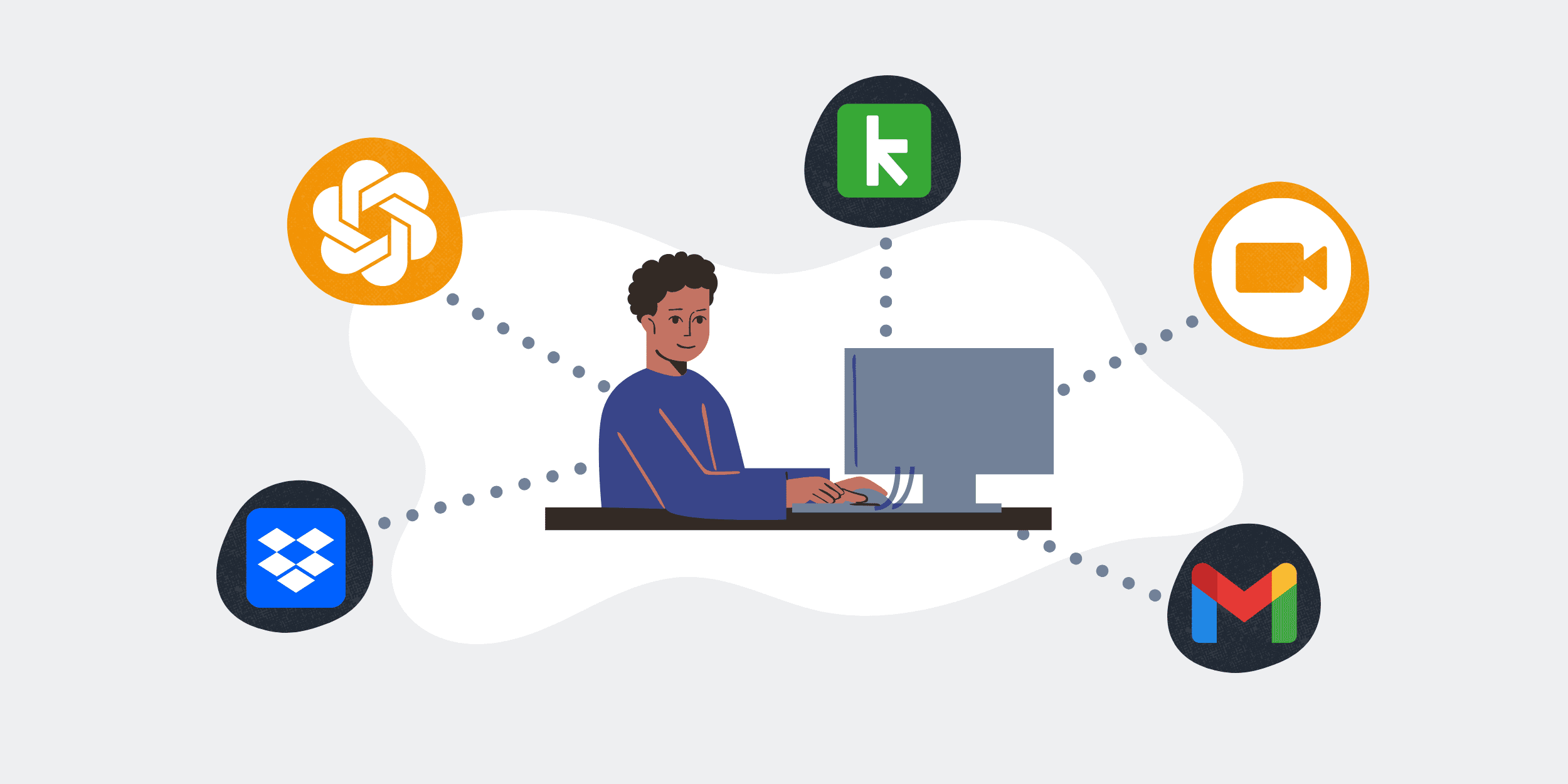
At 4Spot Consulting, our philosophy is rooted in strategic automation, not just tool implementation. We recognize that every business has unique workflows and existing tech stacks. That’s why we introduce the OpsMesh framework – a bespoke automation strategy designed to weave together your disparate systems into a cohesive, intelligent network. For HR, this means transforming a patchwork of tools and manual processes into a streamlined, error-free operational backbone.
Our journey begins with the OpsMap™—a strategic audit where we dive deep into your current HR workflows. We uncover the hidden inefficiencies, identify critical bottlenecks, and pinpoint exactly where automation and AI can deliver the most significant ROI. This isn’t about guessing; it’s about a data-driven understanding of your specific pain points. Following the OpsMap™, our OpsBuild™ phase kicks in. Here, we leverage powerful low-code platforms like Make.com, integrate AI, and connect your essential systems, from applicant tracking and onboarding to performance management and data archiving. This hands-on implementation ensures your systems aren’t just connected, but are working in harmony, autonomously reducing human error and freeing up your team.
Real-World Impact: Unleashing HR Potential
Consider the experience of one HR tech client who was drowning in manual resume processing. Their team spent countless hours sifting through applications, parsing details, and manually entering data into their CRM. We implemented an OpsBuild™ solution that automated their entire resume intake and parsing process using Make.com and AI enrichment. This new system automatically extracted key candidate information, synced it directly to their Keap CRM, and even initiated automated communication flows. The result? They saved over 150 hours per month, dramatically improving their time-to-hire and allowing their HR team to focus on strategic initiatives rather than administrative drudgery. As they put it, “We went from drowning in manual work to having a system that just works.” This is the tangible benefit of strategic automation: a clear path to reduced operational costs, increased scalability, and a superior candidate and employee experience.
Strategic Advantages of AI-Powered HR Automation
Integrating AI into HR automation takes efficiency to the next level. Beyond simple data transfer, AI can intelligently parse unstructured data, enrich candidate profiles, identify trends in employee performance, and even predict potential retention issues. This transforms HR from a reactive administrative function into a proactive, strategic partner in business growth. With AI-powered operations, your HR team gains the ability to make more informed decisions, personalize employee experiences, and forecast talent needs with greater accuracy. The ROI is clear: lower operational costs, a significant reduction in human error, and a more agile, scalable HR infrastructure capable of supporting rapid company expansion without adding proportional headcount.
The era of manual, error-prone HR data management is rapidly fading for those committed to growth. Embracing intelligent automation and AI isn’t just about efficiency; it’s about future-proofing your business, empowering your most valuable asset—your people—and ensuring your operations can truly scale without compromise.
Ready to uncover automation opportunities that could save you 25% of your day? Book your OpsMap™ call today.
If you would like to read more, we recommend this article: The Future of Business: Integrating AI and Automation for Unprecedented Efficiency