Beyond the Spreadsheet: Automating Data Silos for True Operational Agility
The modern business landscape, particularly for high-growth B2B companies, is a complex tapestry woven with data from countless systems. CRMs, HR platforms, marketing automation tools, project management software – each serves a critical function, yet often operates in isolation. This fragmentation creates what we at 4Spot Consulting refer to as “data silos,” an insidious barrier to efficiency that costs businesses millions in lost productivity, duplicated effort, and human error. Leaders who value time and outcomes understand that merely having data isn’t enough; it’s the seamless flow and unified intelligence derived from that data that truly drives progress.
Many organizations attempt to bridge these gaps with manual data entry, complex spreadsheet gymnastics, or piecemeal integrations that are fragile and prone to breaking. This approach isn’t just inefficient; it’s a direct drain on your most valuable resource: your high-value employees. Imagine a recruiting team manually transferring candidate data from an ATS to a CRM, or an operations team cross-referencing sales data with project timelines across three different platforms. Each of these manual touchpoints is an opportunity for error, a delay in critical processes, and a distraction from strategic work. The result is a business that runs at a fraction of its potential speed and accuracy.
The Cost of Fragmentation: More Than Just Time
The implications of data silos extend far beyond simple time loss. Consider the impact on decision-making. When vital information is scattered across disparate systems, a holistic view of operations becomes impossible. Strategic choices are often made with incomplete or outdated data, leading to suboptimal outcomes. Furthermore, fragmented data hinders scalability. As a company grows, the complexity of managing these silos multiplies exponentially, creating bottlenecks that prevent agile responses to market changes or rapid onboarding of new clients and employees. It’s a fundamental impediment to the kind of growth and operational excellence ambitious B2B companies strive for.
Beyond the operational drag, there’s the very real financial cost. Duplicate data entry means paying employees to do repetitive, low-value work. Errors stemming from manual transfers can lead to miscommunications, incorrect invoicing, or compliance issues, each carrying a tangible price tag. For companies with $5M+ ARR, these seemingly small inefficiencies aggregate into substantial annual losses. The solution isn’t to buy more software, but to intelligently connect the tools you already have, transforming them from individual islands into a cohesive, automated ecosystem.
Building a Unified Operational Backbone with Automation & AI
At 4Spot Consulting, our strategic-first approach begins with understanding this fragmentation. We leverage frameworks like our OpsMap™ diagnostic to identify precisely where data silos exist, how they impact your business, and what the true cost of inaction is. This isn’t about throwing technology at a problem; it’s about a meticulous audit to uncover inefficiencies and surface opportunities for profound transformation.
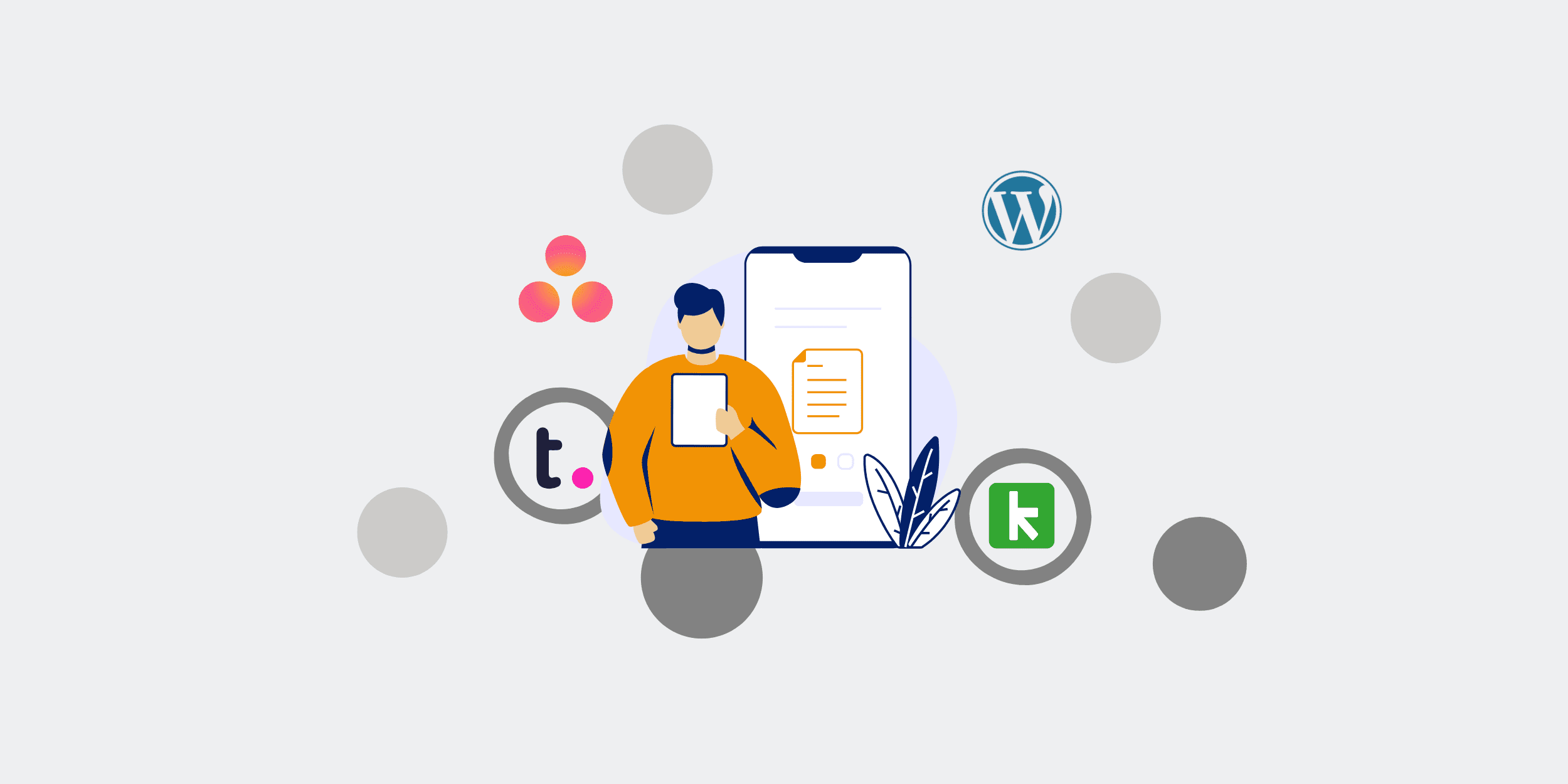
Once identified, the solution lies in intelligent automation and AI integration. We specialize in connecting dozens of SaaS systems using powerful low-code platforms like Make.com. Imagine a scenario where a new lead enters your CRM (like Keap or HighLevel), automatically triggers a welcome email sequence, creates a task in your project management tool, and backs up critical data, all without human intervention. This is not science fiction; it’s the everyday reality we build for our clients. By establishing a “single source of truth” system, we ensure that every department operates from the same, up-to-date information, eliminating discrepancies and fostering seamless collaboration.
Realizing the Vision: From Fragmented to Flowing
The transition from a fragmented system to a harmonized, automated one is not merely a technical upgrade; it’s a strategic shift that empowers your entire organization. For HR and recruiting teams, this means automating resume intake, parsing, and candidate communication, saving hundreds of hours per month and allowing recruiters to focus on high-value engagement. For operations, it translates to automated data synchronization, eliminating human error in reporting and freeing up valuable time for strategic analysis. We’ve seen clients achieve production increases of 240% and annual cost savings exceeding $1M by systematically addressing these silos.
Our OpsBuild™ phase is where these strategies come to life, implementing robust automation and AI systems that speak directly to your business outcomes. We’re not just integrating tools; we’re architecting a future where data flows effortlessly, enabling real-time insights and proactive decision-making. This hands-on leadership ensures you’re not left alone after implementation; our OpsCare™ provides ongoing support, optimization, and iteration to keep your infrastructure ahead of the curve.
The journey to true operational agility starts with acknowledging the limitations of fragmented data and embracing the power of automation and AI. It’s about saving you 25% of your day by eliminating the low-value work that burdens your high-value employees. Stop building workarounds and start building an infrastructure that supports your growth. We’ve done this for countless businesses, and we can do it for yours.
If you would like to read more, we recommend this article: The OpsMesh Framework: Unlocking Enterprise-Wide Automation