The Unseen Efficiency: Automating Data Synchronization for the Modern Enterprise
In today’s fast-paced business environment, data is often hailed as the new oil. Yet, many organizations find themselves awash in disconnected data lakes rather than a cohesive ocean of actionable intelligence. The promise of digital transformation frequently falters at the altar of disparate systems, leaving valuable information marooned in silos across CRM, HR, marketing, and operational platforms. This fragmentation isn’t just an IT headache; it’s a silent saboteur of productivity, precision, and profit.
The core challenge for businesses scaling rapidly is maintaining a single, accurate source of truth. Without it, employees spend countless hours manually reconciling data, battling inconsistencies, and questioning the reliability of reports. This isn’t just low-value work; it’s high-risk work that leads to human error, missed opportunities, and ultimately, stalled growth. The irony is, the very technology designed to make us more efficient often creates these islands of information, demanding a sophisticated approach to connectivity.
The Hidden Costs of Disconnected Systems: Beyond the Spreadsheet
Consider the typical business operation. An HR department manages applicant data in one system, onboarding in another, and payroll in a third. Sales uses a CRM that might not integrate seamlessly with the project management tool used by operations, which itself might be separate from financial accounting software. Each hand-off, each manual export and import, introduces opportunities for error and significant delays. These aren’t minor inefficiencies; they compound into substantial operational drag.
Human Error and Lost Productivity
When high-value employees are relegated to manual data entry or reconciliation tasks, their specialized skills are underutilized. This drains morale, inflates operational costs, and diverts focus from strategic initiatives that truly drive the business forward. The time spent troubleshooting discrepancies or correcting errors directly impacts the bottom line and hinders scalability. Imagine an HR team spending 150+ hours a month on resume processing – this is not just hypothetical; it’s a real problem we’ve helped clients solve, freeing them to focus on talent acquisition strategy rather than data wrangling.
Stalled Growth and Missed Opportunities
Fragmented data means a blurred view of the customer, the market, and internal performance. Strategic decisions, from product development to sales forecasting, become less reliable when based on incomplete or outdated information. This directly impacts revenue potential and competitive advantage. In a market where agility is paramount, a business bogged down by data synchronization issues is a business struggling to compete effectively.
Automation: The Architect of a Unified Information Ecosystem
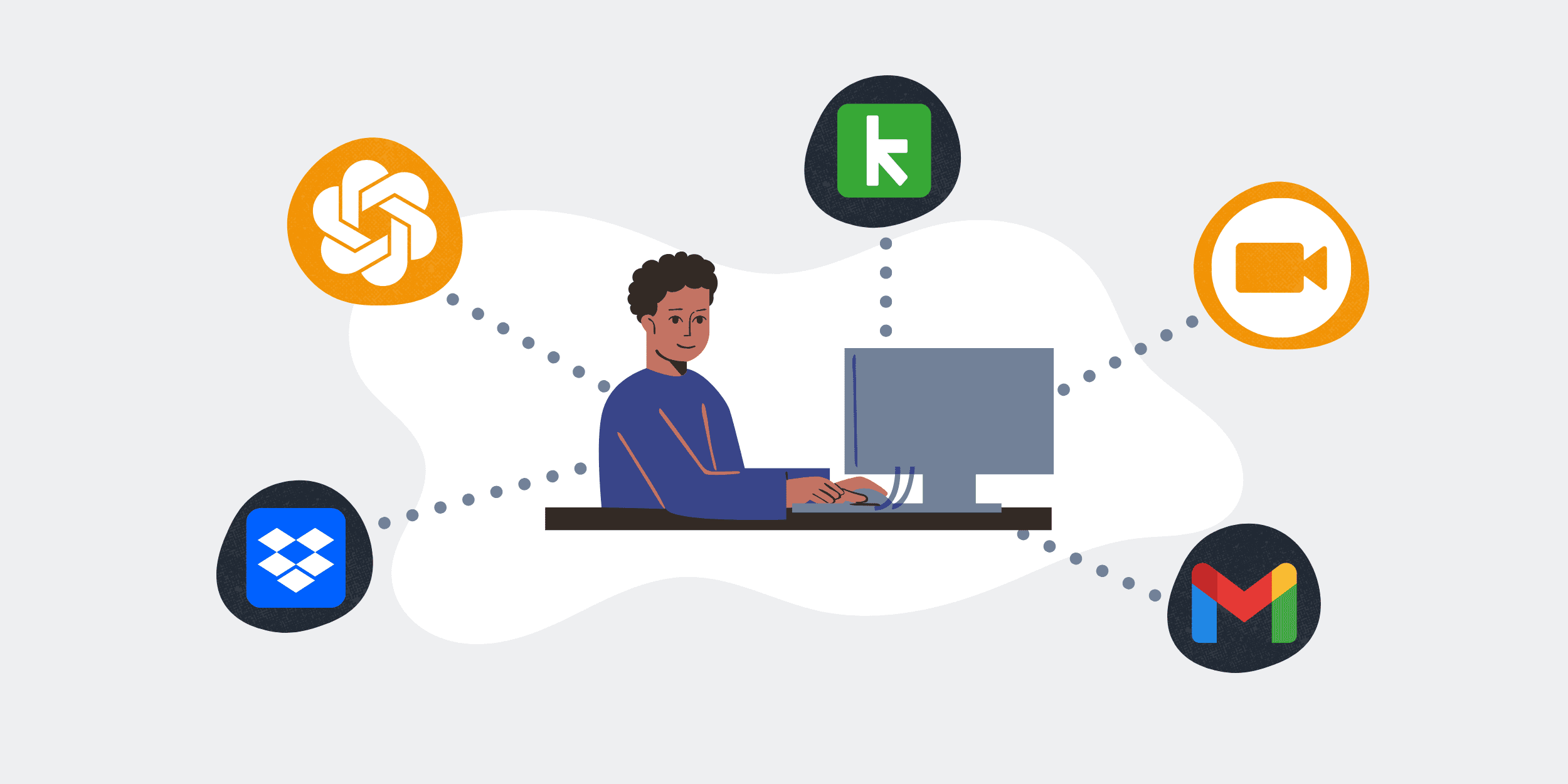
The solution lies not in acquiring more siloed software, but in intelligently connecting the systems already in place. This is where strategic automation, particularly with platforms like Make.com, becomes transformative. By acting as the central nervous system for your digital operations, automation ensures that data flows seamlessly and accurately between all your critical applications, establishing a true single source of truth.
This isn’t about simply moving data; it’s about orchestrating intelligent workflows that react to changes, enrich information, and trigger subsequent actions autonomously. For instance, a new lead captured in your CRM can automatically create a task in your project management system, update a sales dashboard, and notify the relevant team member – all without human intervention. This eliminates bottlenecks, reduces manual errors, and accelerates business processes.
AI’s Role in Intelligent Data Flow and Enrichment
Beyond simple data movement, AI brings a new layer of intelligence to synchronization. AI can parse unstructured data, enrich contact records with publicly available information, categorize incoming inquiries, and even predict potential issues before they arise. Imagine a system that not only syncs customer feedback from a survey tool to your CRM but also uses AI to analyze sentiment, categorize common issues, and assign follow-up tasks to the appropriate department automatically. This transforms raw data into immediate, actionable insights, elevating operational efficiency and customer satisfaction.
4Spot Consulting’s Approach: From OpsMap™ to Seamless Integration
At 4Spot Consulting, we understand that true efficiency comes from a strategic approach, not just tactical fixes. Our OpsMesh™ framework guides businesses in weaving together their disparate systems into a cohesive, high-performance operational network. We start with an OpsMap™—a strategic audit designed to uncover hidden inefficiencies, surface critical automation opportunities, and roadmap a path to profitable, error-free operations.
Our expertise isn’t just in connecting dots; it’s in understanding the business logic and strategic outcomes that drive these connections. We leverage powerful low-code platforms like Make.com to integrate everything from HR and recruiting systems to CRMs like Keap and HighLevel, document management, and communication tools. Our goal is to eliminate low-value work for your high-value employees, saving you a verifiable 25% of your day by automating repetitive tasks that drain resources and introduce risk.
By implementing solutions that create a single source of truth, we empower businesses to make data-driven decisions with confidence, ensure compliance, and achieve unparalleled scalability. The result is a lean, agile, and robust operational infrastructure that truly supports high-growth ambitions, transforming the unseen inefficiencies into tangible competitive advantages.
If you would like to read more, we recommend this article: Mastering Business Operations with AI and Automation