
Blog
How to Scale HR Operations with Make.com: Eliminate Manual Bottlenecks
HR teams lose 25–30% of their productive day to manual work that automation eliminates in days. Build your automation spine across five core HR workflows — candidate intake, onboarding, data sync, approvals, and compliance tracking — and reclaim the strategic bandwidth your business needs to grow without adding headcount.

What Is AI Onboarding? The HR Leader’s Complete Definition
AI onboarding is the structured application of workflow automation and machine learning to orchestrate every step of new hire integration — from offer acceptance through the first 90 days. It eliminates manual sequencing errors, enforces compliance triggers, and uses behavioral signals to personalize the experience at scale. It is not a chatbot bolted onto a broken process.
HR Automation for Hybrid vs. Fully Remote Teams (2026): Which Approach Fits Your Workforce?
Hybrid and fully remote teams share a common problem — manual HR processes collapse under distributed-workforce complexity — but they require different automation architectures. Hybrid teams need synchronization workflows that bridge on-site and off-site friction. Fully remote teams need asynchronous-first automation covering every touchpoint that a physical office once handled by default. Match the model before you build the stack.
Control Backup Costs: Match Licensing Models to Your Strategy
Licensing models (capacity, per-user, per-device) dictate your data backup strategy and costs. Stop overpaying. Audit licenses and align RPO/RTO policies to optimize frequency and cut data protection spending.

Keap Data Protection: 10 Essential HR Security Steps
Protect sensitive candidate data within Keap. Implement 10 critical Keap data protection strategies for HR, including secure integrations, granular access controls, and automated backup protocols. Reduce compliance risk today.
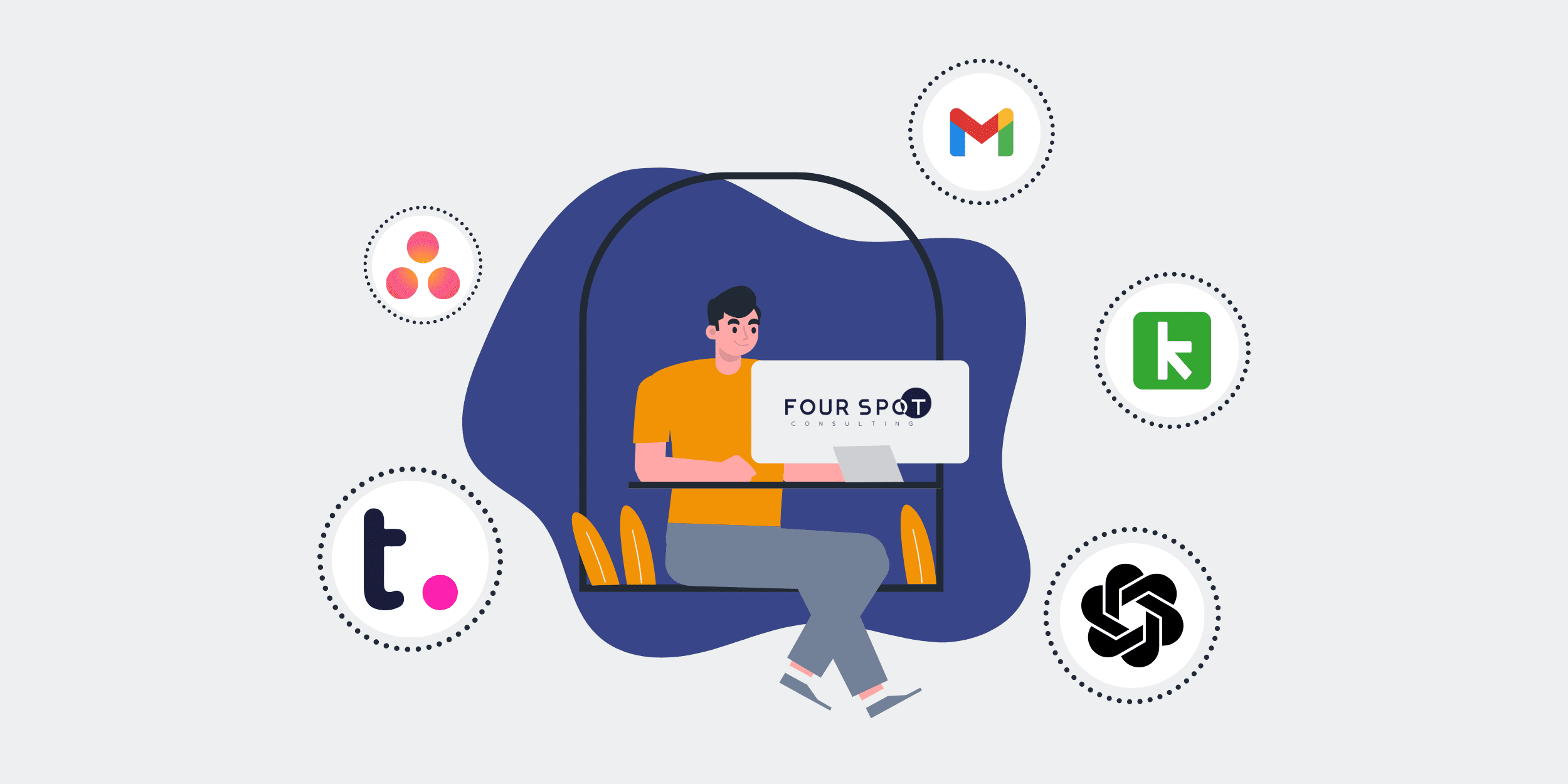
Talent Acquisition & Marketing Automation Glossary
Define essential terms at the intersection of Talent Acquisition and Marketing Automation. Use this glossary to build efficient, data-driven recruiting strategies and optimize your candidate pipeline.

Make.com Webhooks: Essential for Real-Time HR Data Sync
Stop polling! Make.com Webhooks trigger instant, event-driven data synchronization across your HRIS, payroll, and ATS systems. Ensure real-time HR data accuracy and compliance.
SaaS Data Protection: Choosing the Right Subscription Tier
SaaS tiers hide critical security risks. Analyze the differences in backup frequency, disaster recovery, and compliance. Choose the right plan to secure sensitive business data.
The Future of Data Storage Optimization: AI Dedupe & Compression
Master data storage optimization. Predictive deduplication and adaptive compression leverage AI to intelligently manage data, cutting costs, boosting system performance, and ensuring scalability.
Customer Success Metrics: Move Beyond Churn for Growth
Stop reacting to churn. Discover the essential customer success metrics needed for a proactive customer health framework. Track product adoption, CLTV drivers, and engagement to ensure sustainable business growth.
Master the HighLevel API: Custom Automation & Data Backup
Go beyond the HighLevel dashboard. Master the HighLevel API to enable custom integrations, advanced automation via Make.com, and robust data integrity. Scale your business now.
Keap Data Recovery: Restore 10,000 Lost Contacts in Under 24 Hrs
Facing critical Keap data loss? 4Spot Consulting performed rapid Keap data recovery, restoring 10,000 contacts in 24 hours. Prevent $2.5M in revenue loss and implement proactive Infusionsoft backup solutions.
7 Strategies for Compliant Employee Data Disposal
HR leaders must secure employee data disposal. Implement 7 critical strategies: policies, retention schedules, secure wiping tech, training, audits, and automation.
AI Resume Parsing: Recruit Talent Faster and Smarter
Stop manual screening. Use AI resume parsing to eliminate bias, find skills beyond keywords, and transform talent acquisition into a data-driven, efficient process.
HR Data Privacy Glossary: Essential Terms for ATS Automation
HR data privacy in ATS automation is not a compliance afterthought — it is an operational requirement. Every automated workflow that touches candidate or employee data must be built around GDPR, CCPA, PII controls, data minimization, and consent management from day one. Teams that treat privacy as a post-launch checkbox consistently face breach costs, regulatory fines, and candidate trust collapse.



