
Blog
Scale Remote Hiring: Automated Resume Screening Saves 600 Hrs
See how a mid-sized recruitment firm scaled remote hiring by implementing AI-powered automated resume screening. Cut manual labor by 600+ hours monthly and accelerated time-to-shortlist by 40%.

Fortify Keap Data: 5 Integrations for HR & Recruiting
Data loss risks operational chaos. Implement these 5 critical Keap integrations to secure sensitive contact data, ensure HR compliance, and maintain a robust CRM backup strategy.

How to Build an AI-Powered Internal Mobility Program: A Step-by-Step Guide
AI-powered internal mobility works when you build the data infrastructure first, then layer matching logic on top. Map your workforce's skills, connect your HRIS to a matching engine, automate career-path nudges, and close the loop with structured feedback. Done in sequence, this process cuts attrition, reduces external hiring costs, and turns your existing workforce into a strategic asset.
Make.com for HR Automation: Complex Scenarios & Workflows
Move beyond basic Zaps. Use Make.com to build sophisticated HR automation scenarios: streamline onboarding, integrate HRIS and ATS systems, and reduce manual data entry.

What Is Automated IT Provisioning? The Engine for Seamless AI Onboarding
Automated IT provisioning is the system-triggered process that creates accounts, assigns software licenses, configures hardware, and grants network access the moment a hire is confirmed — without manual intervention. It is the operational prerequisite for AI onboarding: without it, every AI layer sits on a broken foundation. Organizations that automate provisioning first cut Day-1 delay, eliminate transcription errors, and give AI tools a reliable data spine to augment.
Optimize Recruiting CRM Data: 8 Essential Strategies
Stop wasting time on inaccurate data. Learn 8 crucial strategies to implement robust Recruiting CRM data management, improving data quality, ensuring security, and boosting TA efficiency.
Saved $750K: Keap Notes Recovery Secures Sales Pipeline
A system restore wiped out GTS's vital Keap engagement notes, jeopardizing their $750K sales pipeline. See how 4Spot Consulting achieved 98% Keap notes recovery, boosting productivity by 25% and implementing robust CRM backup.
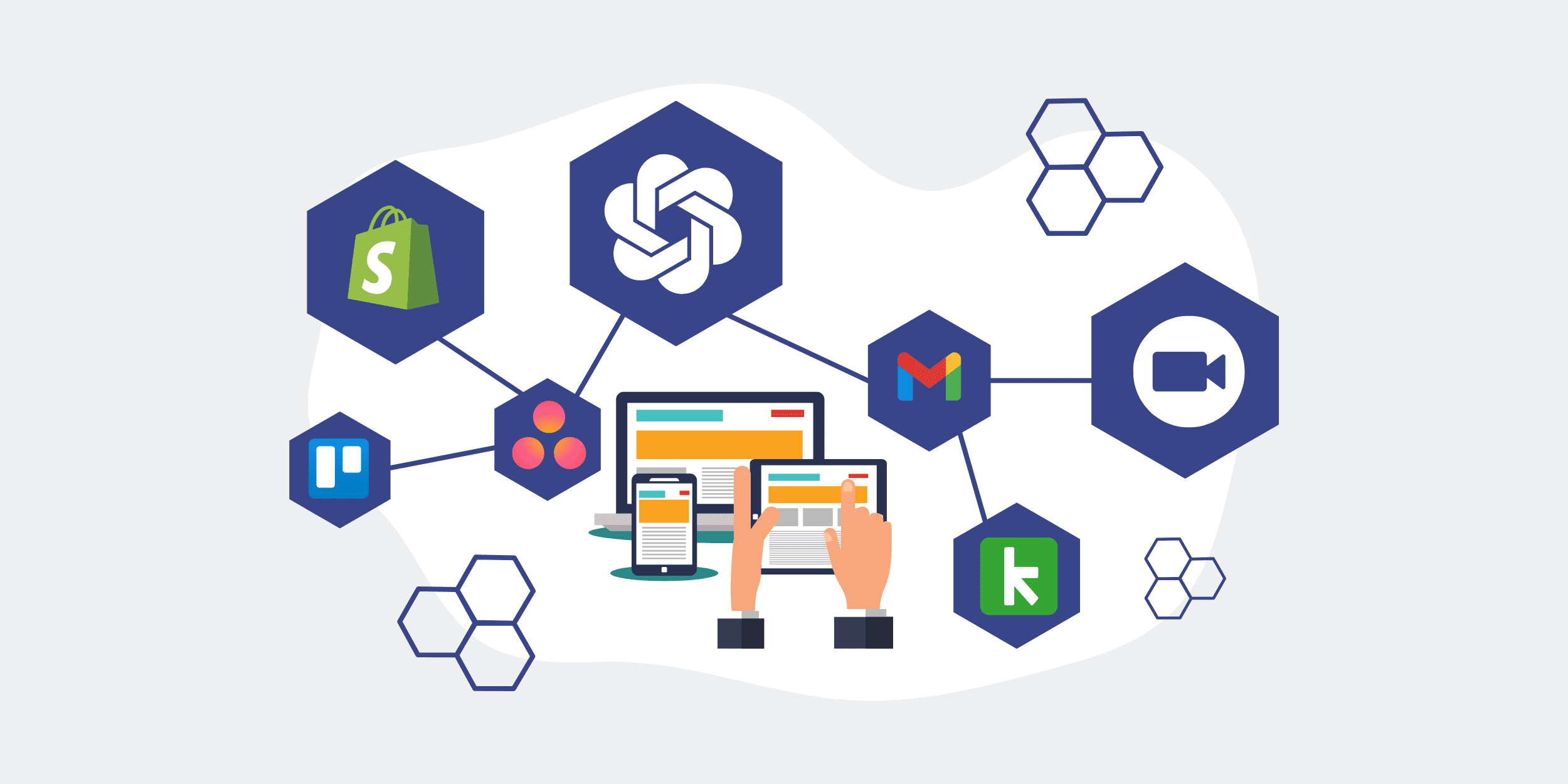
Verify Flexible Backups: Advanced Data Integrity Checks
Don't assume your backups work. Learn advanced techniques like checksums, automated comparison, and strategic test restores to verify data integrity in flexible backup schedules.
Automated Offer Management Is the Last Bottleneck Killing Your Best Hires
Manual offer management is the single most preventable cause of late-stage candidate loss. Organizations that automate offer generation, approval routing, and status updates cut time-to-offer by days — and those days are the margin between landing a top hire and watching them accept a competitor's package. Automation here is not a nice-to-have; it is table stakes for any company that takes talent seriously.
Cut Manual Data Entry 85%: AI Financial Data Parsing Case Study
Deploying AI parsing on top of a broken data pipeline doesn't fix the pipeline — it accelerates the errors. This case study shows how a mid-market investment firm eliminated 85% of manual data entry by building a structured extraction and routing workflow first, then layering AI only at the judgment points where rules broke down. Analyst capacity shifted from data prep to strategy within 90 days.
Change Retention Analytics: Data-Driven SMB Growth
New processes fail without data. Use change retention analytics to track adoption, measure impact, and sustain business change. Implement KPIs for lasting SMB growth.
Keap Data Restore: Manage Downtime and Protect Continuity
Understand the Keap data restore process and critical user experience challenges. Manage team expectations, minimize downtime, and execute post-restore data validation to safeguard your business continuity plans.

AI Talent Marketplace: 532 Internal Hires & $4.5M Saved
Internal mobility fails not because AI is weak, but because organizations deploy matching algorithms on top of fragmented, unstructured workforce data. The correct sequence — automate data unification first, then apply AI at the matching layer — is what separates 532 confirmed internal placements and $4.5M in avoided external hiring costs from another stalled talent marketplace pilot.
HighLevel API Sandbox: Secure Testing & Deployment
Building HighLevel API integrations? A sandbox is critical. Test new endpoints, validate data sync, and debug errors in isolation. Deploy scalable workflows confidently and eliminate the risk of corrupting live data.
How Global Impact Recovered 99.8% of Donor Data in Keap
A catastrophic Keap integration corrupted Global Impact Foundation's donor database. Read how 4Spot Consulting achieved 99.8% Keap data recovery, protecting $1.5M in donations and fortifying their data infrastructure.



