
Blog

Retention Analytics: Build a Proactive Data-Driven Strategy
Move beyond exit interviews. Use retention analytics to identify root causes of turnover. Implement a proactive, data-driven strategy to reduce attrition and build a stable culture.
Daily Data Snapshots: Strategy, Compliance, and Audit Trails
Move beyond simple data backup. Discover how daily data snapshots provide granular historical context, improving HR compliance, sales pipeline forensics, and operational audit trails.

Secure Your Keap Data: Why Native Backups Aren’t Enough
Keap’s native backups fail to secure granular data like client notes from deletion or human error. Implement an independent Keap data backup strategy to protect critical records, ensure compliance, and prevent operational disruption.
Fix HighLevel Duplicate Contacts: Automated Deduplication
Post-restoration data floods HighLevel with duplicate contacts. Use strategic automation to fix HighLevel contact deduplication with intelligent workflows that identify, prioritize, and merge records. Protect your data integrity.
How a Mid-Market Retail HR Team Cut Time-to-Hire 38% With AI Screening
See how a retail giant solved high-volume hiring challenges. Implementing AI skill matching cut time-to-hire by 38% and saved $1.2M annually while boosting candidate quality 42%.
AI-Powered Screening for Manufacturers: Frequently Asked Questions
AI-powered screening cuts manufacturing time-to-fill by automating the highest-volume, lowest-judgment step in the hiring funnel. When applied correctly — with deterministic rules handling initial filtering and AI handling nuanced skills matching — manufacturers routinely achieve 25% faster fills, fewer mis-hires, and recruiters freed for relationship work that machines cannot do.
Keap Automation Strategy: Reduce Contact Loss by 90%
Implement the Keap automation strategy that cut contact loss by 90% and boosted lead conversion by 40%. Optimize Keap workflows, fix data hygiene, and increase recruiter efficiency.
Fix Failed CRM Migration: Steps to Recover Data and Operations
CRM migration failures cripple operations and data integrity. Identify common pitfalls, apply immediate recovery steps, and build resilience using phased strategies and expert data governance.
Validate Keap Data Post-Restore: Accuracy Guide
A data restore doesn't guarantee accuracy. Use this guide to validate Keap contact, campaign, and financial data post-restore, ensuring integrity and business continuity.
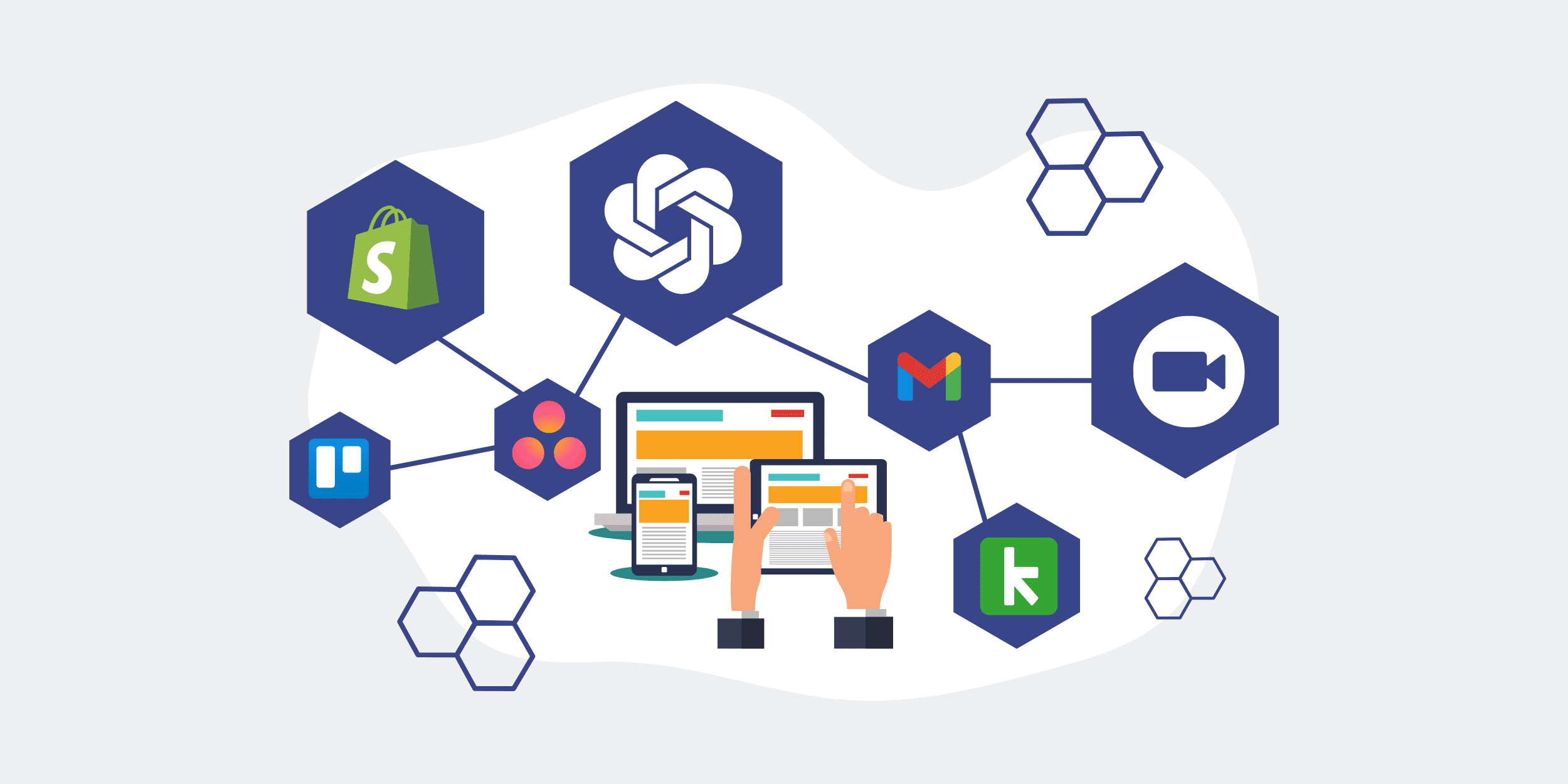
Maintain Pristine Keap Data: 7 Post-Restore Best Practices
Restore your Keap CRM data successfully, then keep it clean. Implement 7 essential data maintenance practices: validation, automation, training, and robust backup protocols. Secure your Keap data integrity.
AI in HR: 7 Ways to Automate Recruiting and Retention
AI in HR is the application of machine learning, natural language processing, and rules-based automation to recruiting, onboarding, and retention workflows. It eliminates low-judgment manual tasks — resume parsing, interview scheduling, candidate communication — so HR teams can focus on decisions that require human judgment. Automation comes first; AI augments what automation cannot handle.
AI Onboarding Strategy: 12 Steps for New Hire Success
Most organizations deploy AI into onboarding backwards — layering intelligence on top of broken processes and calling it transformation. The correct sequence is process-first, AI-second: eliminate manual chaos through structured automation before any AI model touches a new hire's experience. These 12 steps enforce that sequence and produce retention gains that hold.

HR Compliance Automation: Stop Manual Reporting and Cut Risk
Manual compliance reporting is an HR liability, not just an inconvenience. This case study shows how automating data collection, report generation, and policy acknowledgment tracking eliminated a regional healthcare organization's audit scrambles, cut compliance prep time by 70%, and freed Sarah's HR team to focus on workforce strategy instead of spreadsheet firefighting.

Deduplication and Compression: Reduce Data Costs Now
Exploding data volumes drain budgets. Learn how data deduplication and compression drastically cut storage costs, shrink backup windows, and boost operational agility. Optimize your TCO.
Keap Data Recovery: Don’t Trust the Cloud Myth
Stop relying solely on standard Keap cloud backups. Human error or system failures risk critical data loss. Build a strategic Keap Data Recovery Plan to ensure business continuity and protect valuable CRM assets.



