
Blog
Hiring Speed Is a Structure Problem, Not a Technology Problem
Hiring speed failures are structural, not technological. Organizations that chase AI sourcing tools while their requisition approvals still route through email will not close the gap. The fastest-hiring organizations automate the deterministic workflow spine first — intake, approvals, status routing, compliance checkpoints — and then deploy AI only where judgment is actually required.
9 Ways to Build a Human-Centric AI Culture in HR in 2026
Building a human-centric AI culture in HR requires cultural infrastructure before technology deployment. The nine strategies that consistently work: establishing clear AI ownership, investing in structured reskilling, embedding data governance, and designing human-AI handoff points where human judgment remains supreme. Culture is the operating system — AI is just the software running on top of it.
What Is AI Precision Parsing? Turning Missed Details into Strategic Advantage
AI precision parsing is the automated, rules-plus-machine-learning process of extracting structured, actionable data from unstructured documents — resumes, contracts, invoices — with greater speed and consistency than any human team can sustain. It eliminates dark data, reduces transcription error, and surfaces strategic signals that manual review routinely misses.

Granular PITR: Precision Data Recovery for CRM Systems
Stop risking data loss with old backups. Granular Point-in-Time Recovery (PITR) enables surgical precision for CRM data protection. Safeguard HR records, ensure compliance, and boost business agility.
Restore Keap Contacts Fast: Expert Data Recovery Strategies
Keap contact recovery must be fast and precise. Build automated backup strategies that go beyond native Keap limits. Minimize downtime and restore lost Keap data quickly with expert guidance.
Stop Data Bloat: How AI Optimizes Storage and Cuts Costs
AI transforms storage optimization by integrating machine learning with deduplication and compression. Achieve massive data reduction, cut infrastructure costs, and boost system performance.

AI Onboarding vs. Manual Onboarding (2026): Which Delivers Better HR Outcomes?
AI-assisted onboarding outperforms manual processes on every measurable dimension — speed, consistency, retention, and cost — once structured workflows are in place. Manual onboarding is not a safe default; it is an active source of compliance risk and churn. The right choice depends on your HR team's process maturity, not your organization's size.

Secure Your Snapshots: Automated Data Security Best Practices
Automated snapshots are crucial but vulnerable. Implement strong automated snapshot security best practices to protect CRM/HR data. Deploy MFA, encryption, and immutable backups. Stop data breaches.
Analyze Keap Contact Restore Metrics for Data Integrity
Assess your Keap CRM data health using Contact Restore Metrics. Interpret key indicators like Restore Attempts to guarantee data integrity and continuity. Critical guide for HR and recruiting teams to mitigate risk.

Manage Cross-Border Data Transfer Compliance with Automation
Global regulations complicate cross-border data transfer compliance. Implement smart strategies to harmonize conflicting data retention policies and reduce compliance risk using automation.
Granular Backup ROI: Reduce Downtime, Boost Data Integrity
Standard backups risk data loss. See the true ROI of granular backup scheduling: achieve item-level recovery, drastically cut downtime, and ensure compliance for critical systems.
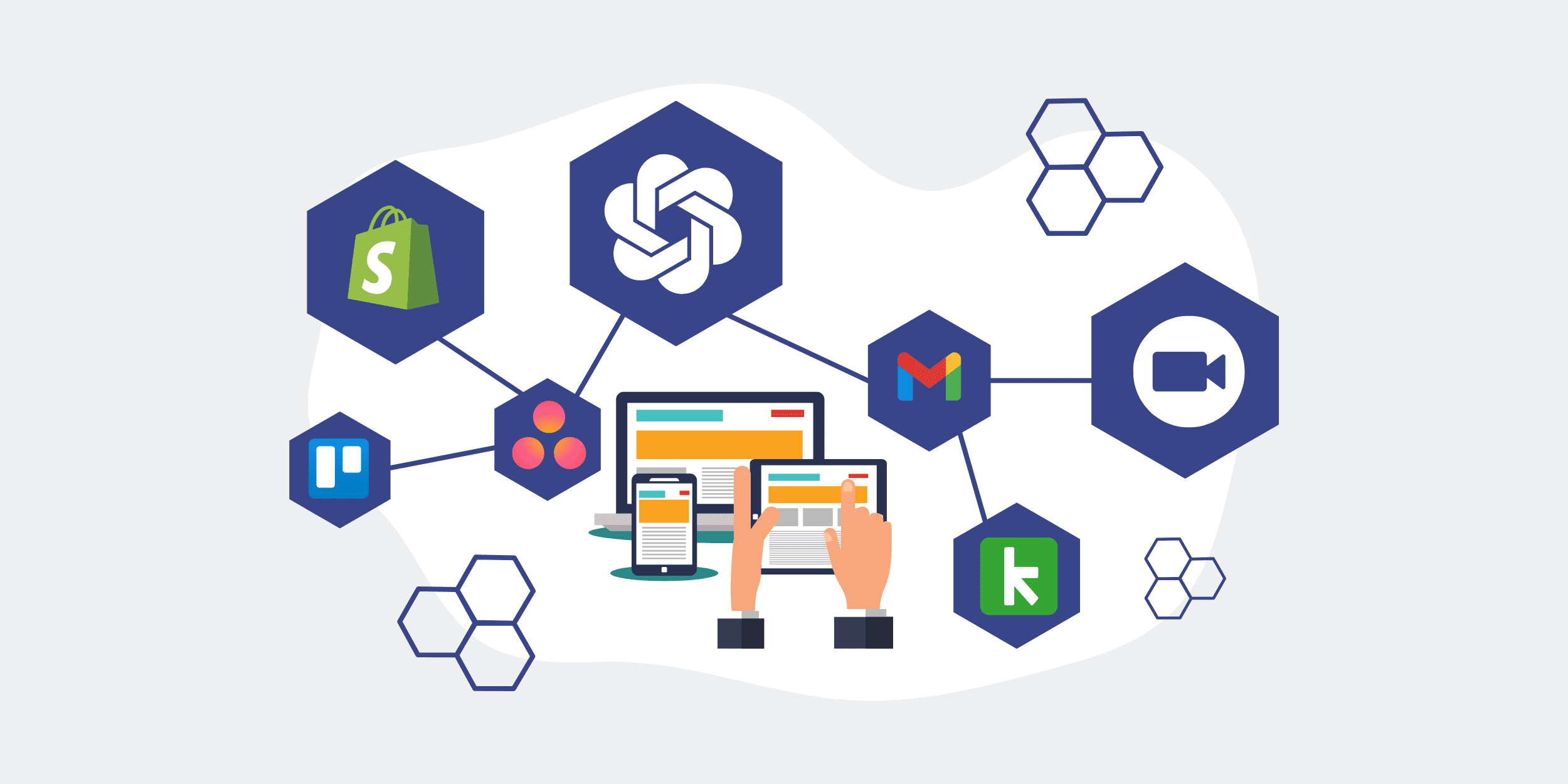
AI-Optimized vs. Traditional Careers Pages (2026): Which Wins the Talent War?
AI-optimized careers pages consistently outperform traditional job boards on parsing accuracy, organic reach, and qualified-applicant rate. The gap is structural, not cosmetic: traditional pages fail ATS parsers at the markup level, lose semantic SEO ground to smarter competitors, and let high-intent candidates bounce before applying. Build for machines first; humans follow.
Financial Advisor Cuts Compliance Risk Using Keap Sandbox
Learn how one firm mastered financial advisor risk mitigation. We used Keap Sandbox to establish a secure Keap testing environment, ensuring strict data compliance in financial services.
Ensure Keap Data Resilience with Backup User Onboarding
Protect your operations with Keap. Configure Keap features like permissions, tags, and reports to onboard backup users quickly. Maintain data integrity and business continuity during staff changes.
Build Your Talent Pipeline: HighLevel Re-engagement Strategy
Transform dormant talent into active hires. Implement a proven candidate re-engagement strategy using HighLevel to automate personalized nurturing, reduce hiring costs, and cut time-to-hire.



