
Blog

$27,000 Data Entry Error: How One HR Team Fixed Webhook Implementation Mistakes and Rebuilt Trust
Webhook implementation mistakes in HR are not edge cases — they are routine, expensive, and preventable. A single misconfigured data-mapping field turned a $103K offer into a $130K payroll entry, cost $27,000 in duplicate pay, and caused the employee to quit. Six root-cause failures drove that outcome. Fixing them requires security layering, idempotency, payload validation, error alerting, and end-to-end testing before any flow goes live.

From Manual Chaos to Document Machine: How TalentEdge Identified 9 Automation Signals and Saved $312,000
HR teams that tolerate manual document chaos pay for it in errors, compliance exposure, and recruiter burnout. TalentEdge, a 45-person recruiting firm, identified 9 operational signals that their document process was costing them six figures annually. After a structured automation implementation, they recovered $312,000 and 207% ROI inside twelve months. The signals were there long before the decision was made.

12 Webhook Triggers HR Teams Use for Hyper-Automation
An HR webhook trigger is an event-driven signal sent from one HR system to another the instant a defined action occurs — no polling, no manual intervention. The 12 essential triggers span the entire employee lifecycle: applicant submission, stage changes, offer acceptance, onboarding task completion, HRIS data edits, performance reviews, and offboarding. Together, they form the real-time backbone of true HR hyper-automation.

10 Ways AI Transforms HR: Strategy, Recruitment, and Retention
AI transforms HR in 10 measurable ways — but only when applied on top of structured, automated workflows. The highest-ROI applications are predictive retention analytics, AI-assisted screening, and workforce planning. Each eliminates a specific administrative drag and returns judgment-level capacity to HR leaders who should never have been buried in data entry in the first place.

Manual HR Documents vs. Automated HR Workflows (2026): Which Is Right for Your Team?
Automated HR document workflows outperform manual processes on every measurable dimension — speed, accuracy, compliance, and cost. Manual handling consumes 25–30% of every HR professional's day and introduces error rates that trigger real regulatory exposure. For teams processing more than 10 documents per week, automation is not optional. For very small teams with minimal volume, structured manual workflows remain viable only until growth demands otherwise.

Manual vs. Automated Benefit Termination Notices (2026): Which Is Better for HR Compliance?
Automated benefit termination notices eliminate the compliance gaps, missed deadlines, and data-entry errors that define manual workflows. For any organization processing more than two offboardings per month, automation delivers faster notice delivery, airtight audit trails, and measurable cost savings — manual processes cannot compete on any of these dimensions.
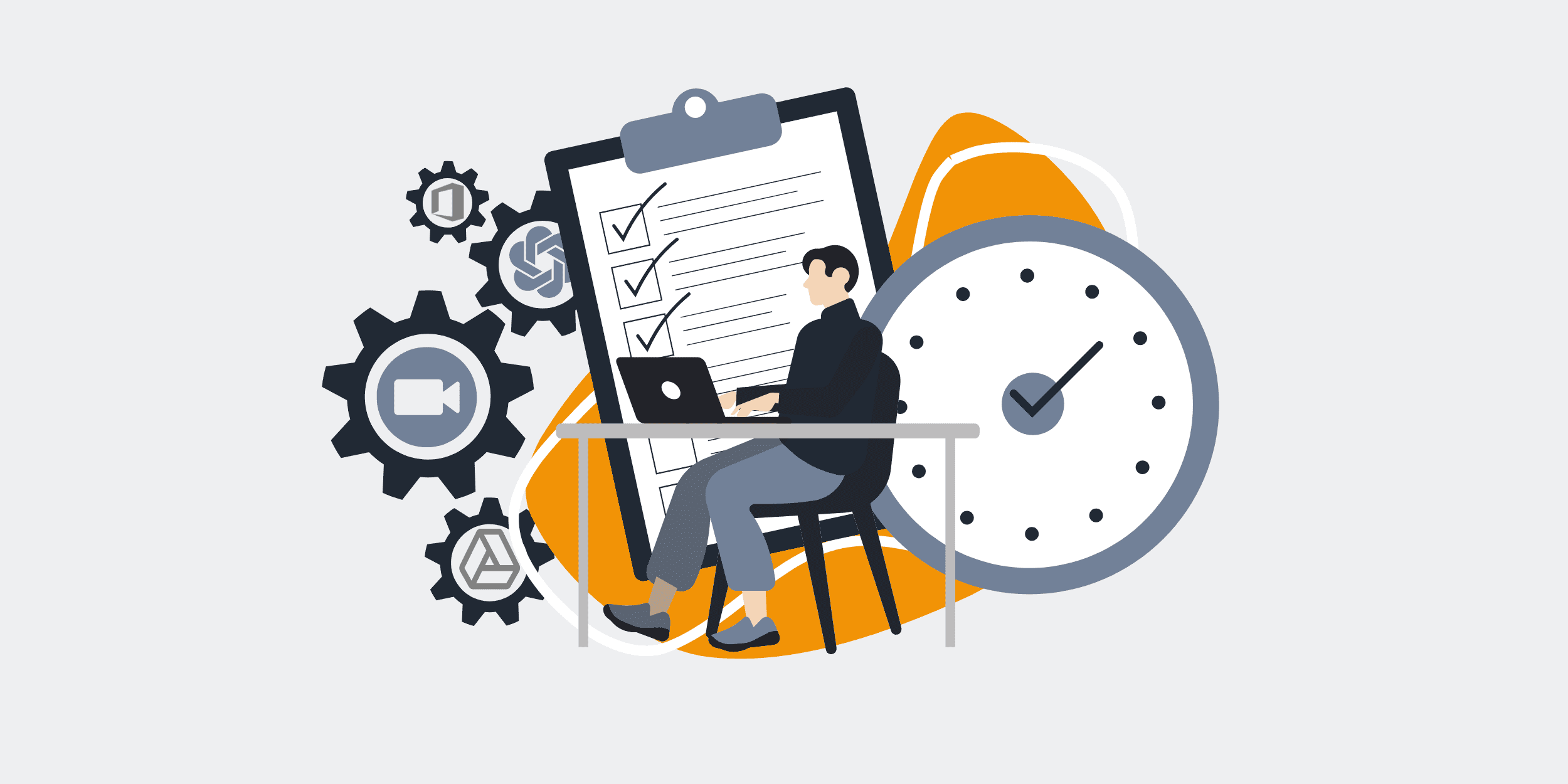
HR Document Automation: Cut Onboarding Time 30% with AI
Use AI-powered document automation to accelerate recruiting and HR compliance tasks. Implement exception detection for I-9s, benefits, and background checks. Stop high-cost data errors.

Predictive Analytics for Talent Management and Retention
Predictive analytics for talent management is the application of statistical models and machine learning to HR data to forecast future workforce outcomes — who will quit, who will excel, and where skill gaps will emerge. Organizations that deploy it before automating their data pipeline waste the investment. Build clean, automated data first; then let the models work.
AI Strategies for HR & Recruiting: Frequently Asked Questions
AI works in HR and recruiting only when it's layered onto real-time, webhook-driven automation — not bolted onto manual batch processes. Teams that wire deterministic flows first, then deploy AI at specific judgment points, consistently reduce time-to-hire, reclaim recruiter hours, and eliminate costly data errors. The sequence is the strategy.

11 Real-World AI Applications for HR and Recruiting
AI in HR stops being theoretical the moment you tie it to specific operational bottlenecks: resume screening, interview scheduling, onboarding, compliance, and retention prediction. These 11 applications each solve a discrete problem, reduce manual hours, and produce auditable outputs — giving HR teams measurable ROI without replacing human judgment at the decisions that matter.
HR Teams That Still Manage Documents Manually Are Choosing to Fall Behind
HR teams that rely on manual document workflows aren't victims of limited budgets — they are making an active choice to consume 25–30% of every workday on zero-judgment administrative labor. Automation eliminates that waste. The tools exist, the ROI is documented, and the compliance risk of inaction now exceeds the cost of implementation. There is no neutral position here.

Measure Make.com Offboarding Success: Key Metrics & ROI
Automating offboarding without measuring it is operational theater. When TalentEdge tracked time-to-completion, access-revocation rates, and per-exit costs across its Make.com™ workflows, it surfaced $312,000 in annual savings and a 207% ROI in 12 months. The lesson: measurement is what converts automation from a cost center into a strategic asset.

What Is an AI HR Chatbot? Healthcare Workforce Support Defined
An AI HR chatbot is a conversational automation system that answers employee questions, routes requests, and delivers policy information around the clock without HR staff involvement. In healthcare, where shifts run 24/7 and workforce volume is high, chatbots eliminate the support gap that drives frustration, inconsistency, and unnecessary HR overhead.
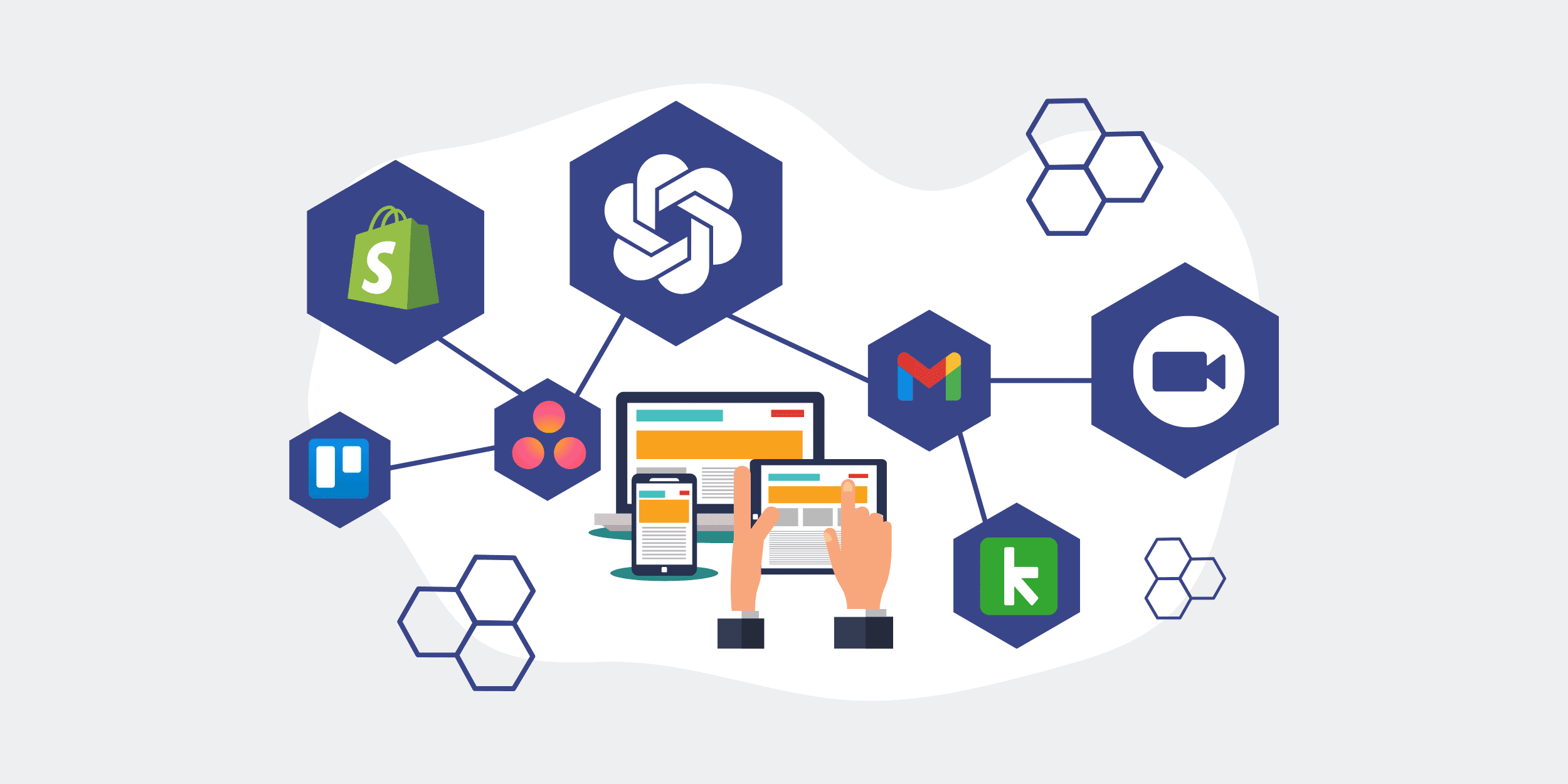
Master 12 PandaDoc Features to Automate HR Workflows
PandaDoc HR automation features are the platform capabilities — dynamic templates, secure e-signatures, conditional content blocks, real-time tracking, and API-level integrations — that replace manual document handling with triggered, rules-based workflows. Together they eliminate the repetitive document work that consumes 25–30% of an HR team's day and reduce the transcription errors that cost organizations thousands per incident.

What Are AI in HR Pitfalls? A Definitive Guide for People Leaders
AI in HR pitfalls are the predictable, structural failure modes that emerge when organizations deploy artificial intelligence on top of broken or unautomated HR processes. They are not random — they cluster around strategy gaps, data deficiencies, ethics oversights, and change management failures. Recognizing each pitfall by name is the prerequisite to avoiding it.



