
Blog
Make.com Tutorial: Automate Interview Scheduling Across Calendars
Build robust Make.com scenarios to automate interview scheduling. Sync Google Calendar and Outlook to find shared availability, cut HR errors, and accelerate your entire hiring process.
Connect ATS to Make.com for Automated Candidate Nurturing
Use this 7-step guide to connect your Applicant Tracking System (ATS) to Make.com. Build custom scenarios and map data to automate personalized candidate nurturing sequences that retain top talent.
Power HR with Make.com: 7 API Integrations for Automation
Build powerful, custom HR and recruiting workflows. See 7 strategic Make.com API integrations that break data silos, automate hiring, and transform your talent tech stack.
Webhook Glossary: Essential Terms for HR Automation
Master HR automation. This glossary defines key webhook terms: Payload, Endpoint, Trigger, and API. Learn how webhooks scale your HR workflows, reduce errors, and ensure real-time system integration.
Personalize Recruiting: Use AI Resume Data for Better Hires
Use AI resume data to scale genuine candidate experience personalization. Transform raw data into insights for tailored communication and smart job matching. Improve efficiency and strengthen your talent pipeline now.
Keap AI: Intelligent User Roles for Dynamic CRM Security
AI transforms Keap user role management. Move beyond static permissions to dynamic access control, boosting CRM security, compliance, and workflow optimization. Learn how AI integration saves operational time.
Advanced Make.com HR Automation: Build Systems, Not Tasks
Advanced Make.com HR automation means building an interconnected system where every HR platform — ATS, HRIS, payroll, onboarding — shares data automatically with zero manual re-entry. Start with architecture before scenarios. Define data flows, assign ownership, and build error handling in from day one. That is the difference between a task tool and a strategic OpsMesh™.
Make.com HR Automation: Cut Employee Inquiries by 55%
HR employee inquiry automation routes, answers, and resolves routine employee questions — payroll, benefits, policy lookups, leave status — through automated workflows, eliminating the need for HR staff to handle each request manually. Mature implementations reduce inbound inquiry volume by 50% or more and cut resolution time from days to minutes.
Remote White-Glove Onboarding: Master AI and Automation
Remote white-glove onboarding requires purpose-built automation for the administrative layer and intentional human engagement for the strategic layer. Here is how to build both.
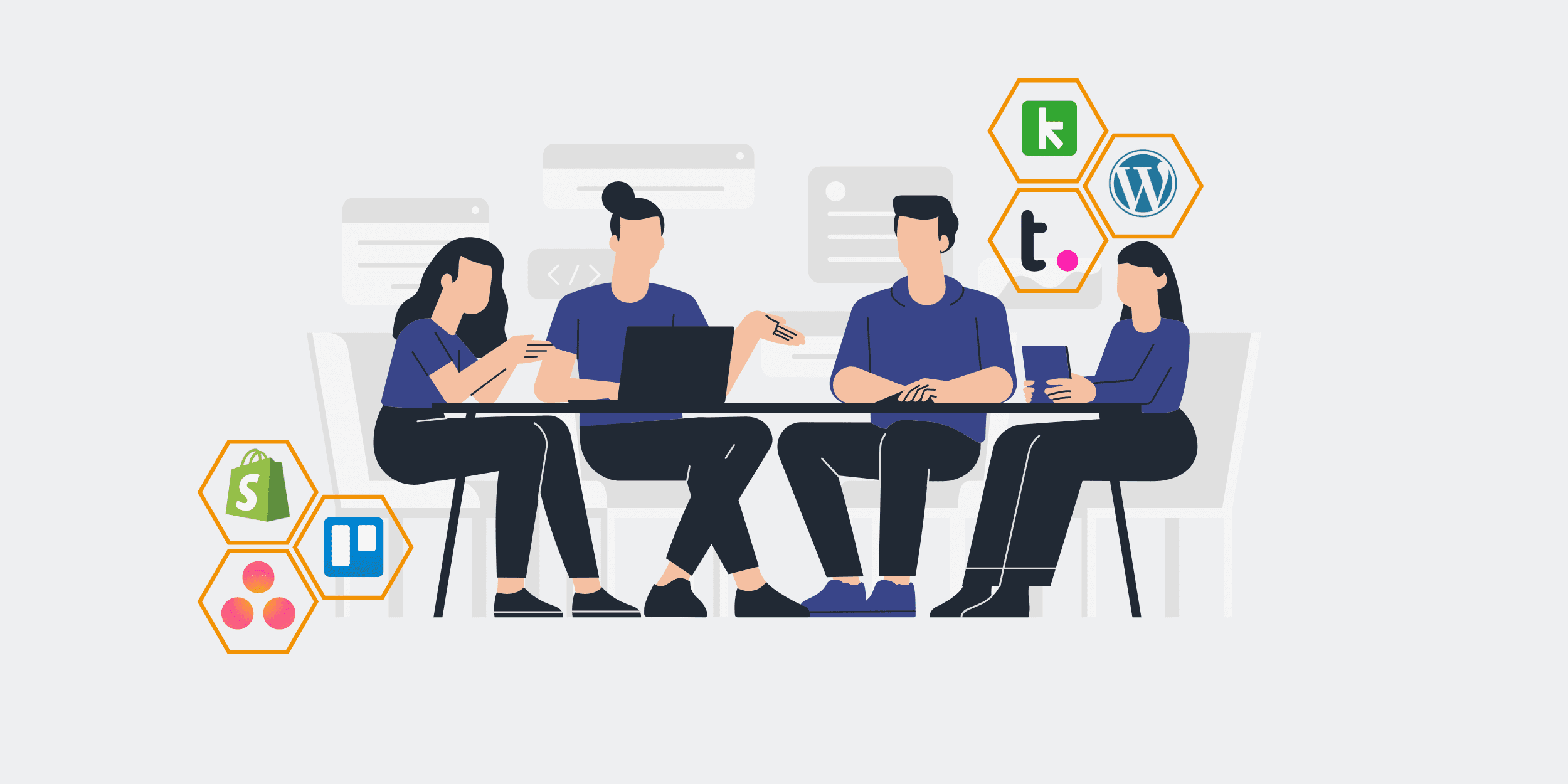
Master HR Tech Integration: Choose the Right Agency Partner
Buying more HR tech without fixing integration is how HR teams automate chaos. The right agency partner starts with a process audit, maps every system handoff, and builds automated workflows that eliminate manual re-entry. The result: a connected HR stack where data flows accurately from ATS to HRIS to payroll — without human intervention between steps.
N8n vs Make.com: Strategic Recruitment Automation Choice
Transform talent acquisition. Compare N8n vs Make.com for recruitment automation. Find the platform that matches your team's technical skill and desired operational speed.
Keap Rollback: Safeguard E-commerce Sales and Customers
E-commerce businesses risk huge losses if Keap data fails. Implement strategic Keap Rollback to recover sales history, protect vital customer records, and secure your revenue attribution.
Implement AI in HR & Recruiting: Strategy and ROI Playbook
Deploy AI in HR and recruiting correctly. Map high-ROI tasks, implement strong LLM governance, and redefine roles to save $3,750 per recruiter annually. Get the practical framework.
Optimize Keap Order Forms: Fix Data Flow & Automate Sales
Optimize your Keap order forms and landing pages to fix data integrity issues and prevent costly silos. Learn how to set up robust automation that drives operational efficiency and seamless customer data flow.
How to Automate Strategic Employee Feedback via API Integration
Stop relying on manual employee feedback systems. Use Zapier employee feedback automation to streamline HR workflows, gain continuous insights, and build a proactive loop that boosts retention and morale.



